Jeffrey Epstein &
Trinity Church Wall Street
Parish, Episcopal Diocese of New York
Key Facts
Exceeding $6 billion, primarily derived from Manhattan real estate holdings
Endowment Value
Trinity Church Wall Street Audited Financial Statements
Zero verified donations from Epstein or his foundation vehicles
Direct Financial Contributions
IRS Form 990-PF Filings
No documented leaseholds or transactions in ACRIS municipal records
Real Estate Intersections
NYC Automated City Register Information System
Institution was never a subject or target in federal investigations
Law Enforcement Focus
SDNY Court Filings
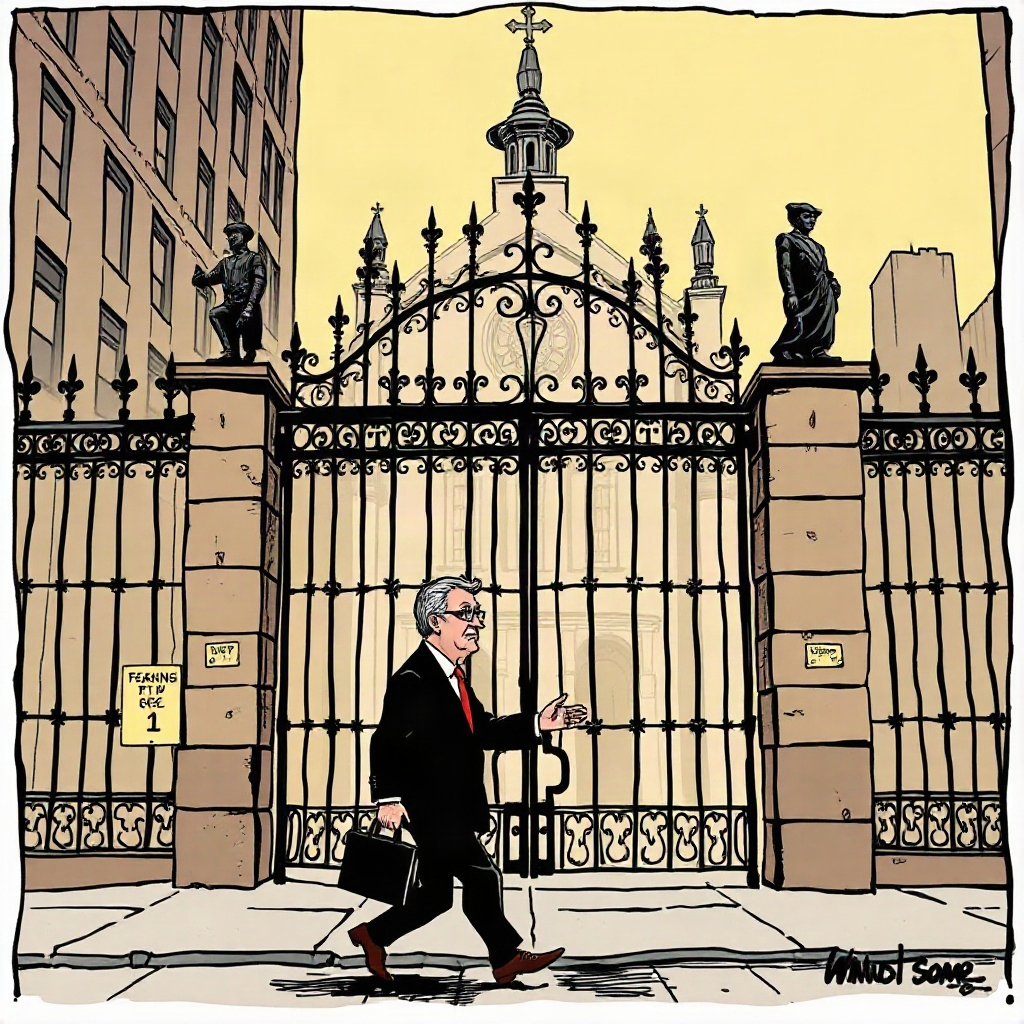
Trinity Church Wall Street · Parish, Episcopal Diocese of New York
Trinity Church Wall Street stands as one of the oldest, wealthiest, and most influential religious institutions in the United States. Established by royal charter under King William III in 1697 and granted a historic parcel of Lower Manhattan land by Queen Anne in 1705, the Episcopal parish evolved over three centuries from a colonial house of worship into a multi-billion-dollar real estate empire. By the twenty-first century, Trinity Church managed an endowment exceeding six billion dollars, anchored primarily by Trinity Real Estate, its commercial arm controlling millions of square feet in Manhattan's Hudson Square neighborhood. In the aftermath of the July 2019 federal indictment and subsequent death of convicted sex offender Jeffrey Epstein, the sweeping investigation into Epstein’s financial network prompted intense scrutiny of elite Manhattan institutions. Researchers, journalists, and public integrity monitors began systematically cross-referencing public records to examine whether Epstein’s influence-buying apparatus touched Trinity Church Wall Street.
Throughout his decades operating within high finance, Epstein systematically cultivated ties to prestigious universities, cultural foundations, and philanthropic organizations. His standard operating procedure involved using charitable contributions through entities such as the C.O.U.Q. Foundation, the Gratitude America Ltd. foundation, and the J. Epstein Virgin Islands Foundation to purchase social legitimacy, gain access to influential board members, and rehabilitate his standing following his 2008 Florida conviction for soliciting prostitution from a minor. When the United States Attorney’s Office for the Southern District of New York unsealed sex-trafficking charges against Epstein in July 2019, civic and non-profit institutions across New York City initiated internal audits to determine whether they had ever accepted Epstein's money or granted him institutional cover. Trinity Church Wall Street, given its immense financial footprint and prominent standing in civic life, naturally fell within the wide aperture of archival inquiries seeking to map Epstein's web of connections.
Related articles
Jeffrey Epstein and Wexner Heritage Program
Investigative report on Jeffrey Epstein's fiduciary authority, financial control, and institutional ties to the Wexner Heritage Program.
Read article →
Jeffrey Epstein and Bishop Marcelo Sánchez Sorondo
Investigative report examining Jeffrey Epstein's documented meetings and calendar appointments with Vatican Chancellor Bishop Marcelo Sánchez Sorondo.
Read article →
Jeffrey Epstein and Cardinal Angelo Becciu
An investigative review examining alleged links, financial overlaps, and public records connecting Cardinal Angelo Becciu to Jeffrey Epstein.
Read article →
Jeffrey Epstein and Cardinal Theodore McCarrick
Investigative analysis of the alleged ties and documented parallels between Jeffrey Epstein and defrocked Catholic Cardinal Theodore McCarrick.
Read article →