Jeffrey Epstein &
Cardinal Theodore McCarrick
Former Archbishop of Washington
Key Facts
McCarrick's name does not appear on any official Epstein flight logs entered into federal court evidence
Flight Log Verification
SDNY Trial Exhibits
McCarrick is entirely absent from Jeffrey Epstein's unsealed personal black book
Epstein Contact Directory
Giuffre v. Maxwell Court Exhibits
The 449-page 2020 Vatican report on McCarrick contains zero documented links to Epstein
Vatican Investigation Scope
Holy See Secretariat of State Report
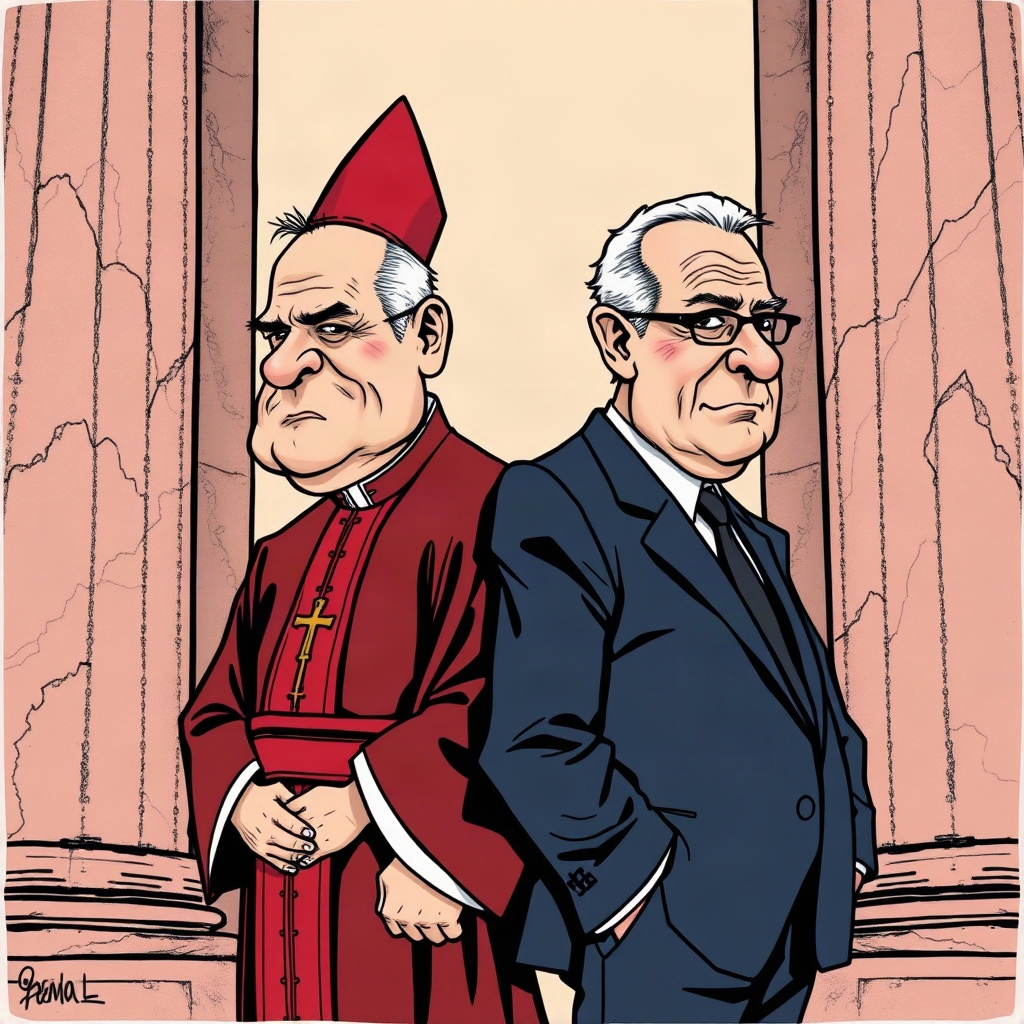
Cardinal Theodore McCarrick · Former Archbishop of Washington
In the late 2010s, two distinct institutional reckoning processes intersected in the public consciousness, creating a web of scrutiny, conspiracy theories, and investigative inquiry. Jeffrey Epstein, the multimillionaire financier accused of running a sprawling international sex trafficking operation of minor girls, was arrested by federal authorities in July 2019. Months earlier, in February 2019, Pope Francis had taken the unprecedented modern step of laicizing Theodore McCarrick, the former Archbishop of Washington and one of the most politically influential Catholic prelates in the United States, following conclusive findings of decades of sexual abuse involving minors and adult seminarians. As public outrage mounted over the systemic mechanisms that allowed both men to evade consequences for decades, researchers, internet investigators, and independent commentators began probing whether their elite networks had ever physically or operationally crossed.
Theodore Edgar McCarrick had spent decades cultivating power within both church hierarchy and secular geopolitical circles. Serving successively as Bishop of Metuchen, Archbishop of Newark, and Archbishop of Washington before being elevated to the College of Cardinals in 2001, McCarrick was uniquely positioned at the intersection of religious authority and international diplomacy. He frequently functioned as an informal emissary for the Holy See, traveling to global hotspots and maintaining deep relationships with American political leaders, corporate donors, and foreign dignitaries. However, parallel to his public career was a pattern of sexual misconduct and coercion that targeted young seminarians and at least one minor, long kept quiet through diocesan settlements, institutional deference, and a pervasive culture of bureaucratic silence.
When federal prosecutors in the Southern District of New York unsealed their sex trafficking indictment against Epstein in the summer of 2019, the convergence of timelines fueled intense speculation online regarding potential intersections between the disgraced prelate and the disgraced financier. Both figures operated within high-society New York corridors; both cultivated relationships with heads of state, philanthropists, and academic institutions; and both relied heavily on non-disclosure agreements, legal intimidation, and institutional compliance to suppress credible accusations of sexual predation. Online forums and fringe political blogs quickly generated assertions that McCarrick had traveled to Epstein’s private Caribbean retreat, Little St. James, or that Epstein’s philanthropic operations were linked to charitable funds administered by the cardinal.
Related articles
Jeffrey Epstein and Wexner Heritage Program
Investigative report on Jeffrey Epstein's fiduciary authority, financial control, and institutional ties to the Wexner Heritage Program.
Read article →
Jeffrey Epstein and Bishop Marcelo Sánchez Sorondo
Investigative report examining Jeffrey Epstein's documented meetings and calendar appointments with Vatican Chancellor Bishop Marcelo Sánchez Sorondo.
Read article →
Jeffrey Epstein and Cardinal Angelo Becciu
An investigative review examining alleged links, financial overlaps, and public records connecting Cardinal Angelo Becciu to Jeffrey Epstein.
Read article →
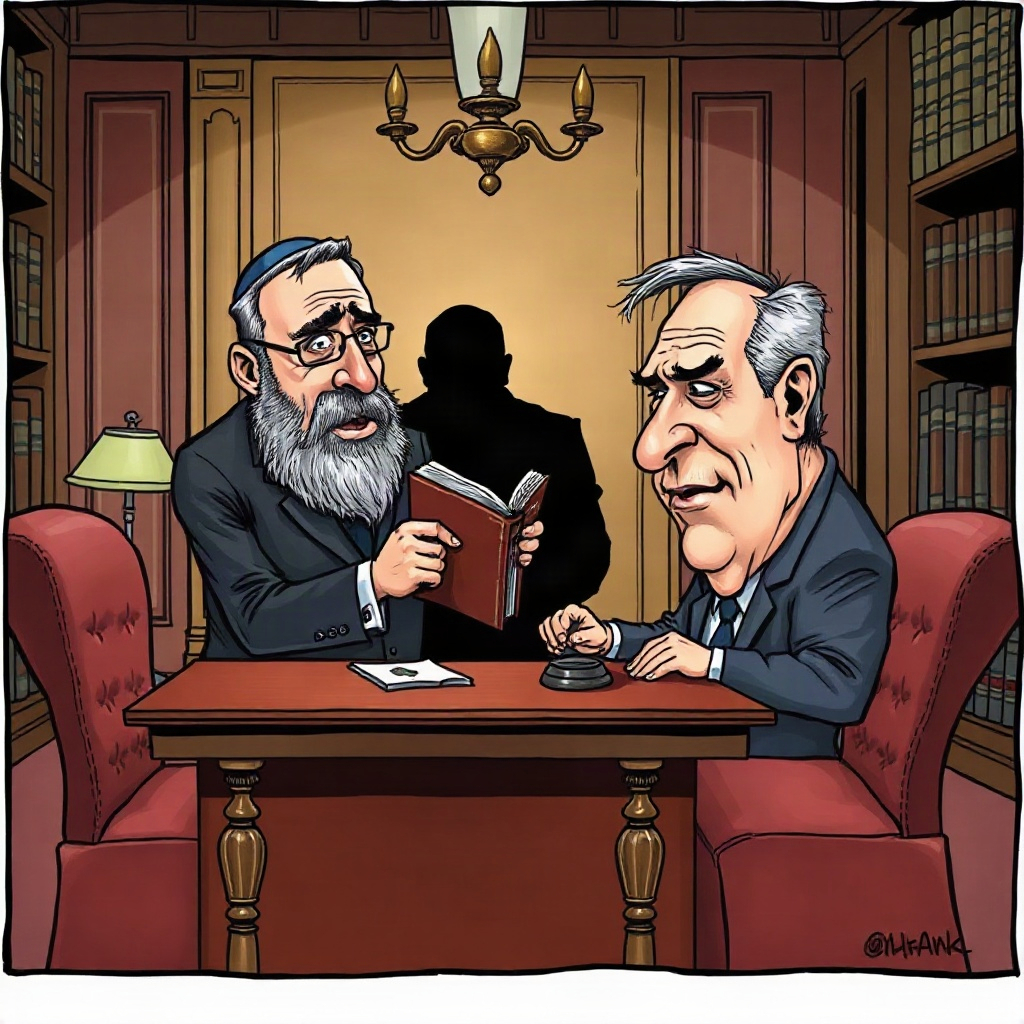
Jeffrey Epstein and Rabbi Shmuley Boteach
Investigative review of Rabbi Shmuley Boteach's recorded contacts, meetings, and public statements regarding financier Jeffrey Epstein.
Read article →