Key Facts
Official congressional oversight and legislative inquiry only
Nature of Connection
U.S. Senate Press Release (2019)
Zero recorded donations from Epstein or affiliated entities
Campaign Contributions
Federal Election Commission
No listings or entries for Tom Cotton
Address Book and Flight Logs
SDNY Unsealed Exhibits (2019–2024)
Member of the Senate Judiciary Committee overseeing the DOJ and BOP
Committee Jurisdiction
United States Senate
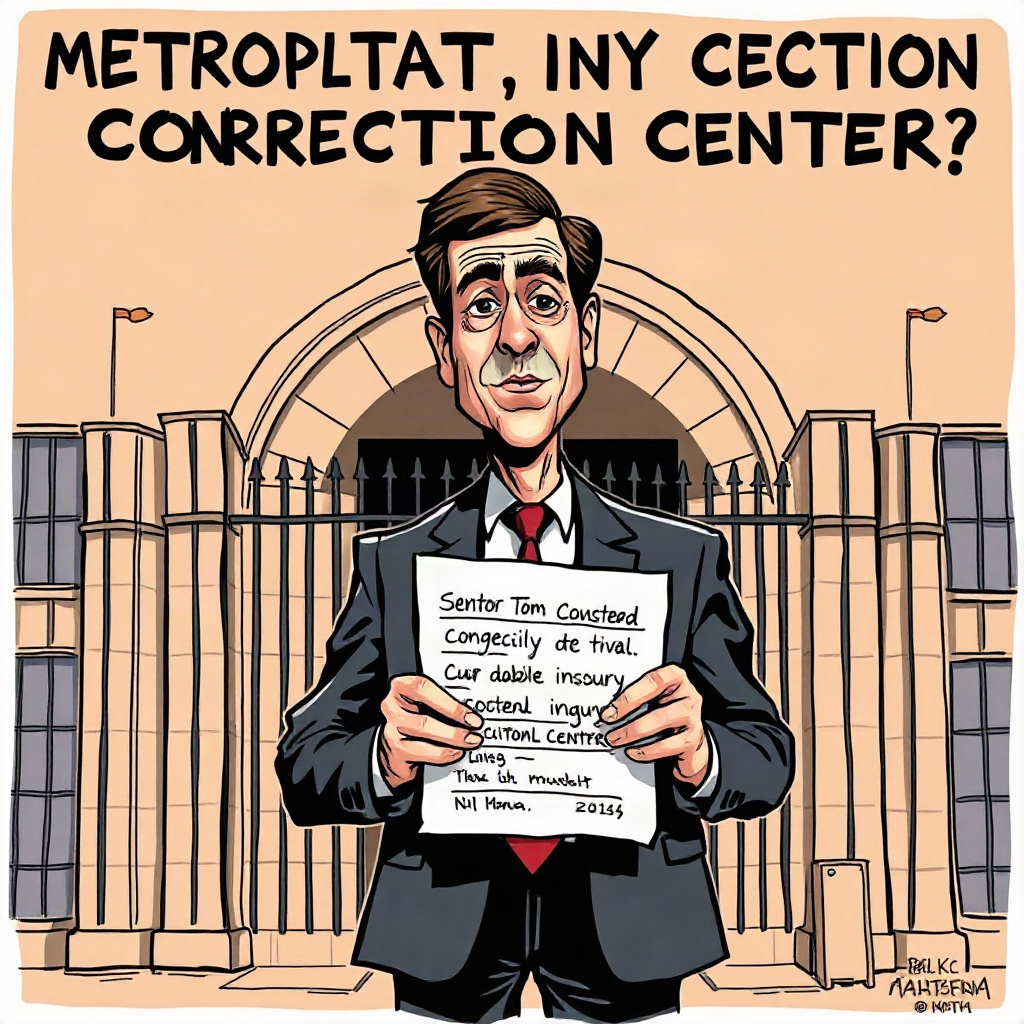
Tom Cotton · U.S. Senator from Arkansas
The sprawling network of late financier and convicted sex offender Jeffrey Epstein touched scores of influential figures across international finance, academia, and American politics. In the years following Epstein’s July 2019 arrest by federal prosecutors in the Southern District of New York and his subsequent death at the Metropolitan Correctional Center in Lower Manhattan, researchers and journalists have combed through unsealed court filings, flight logs, address books, and campaign finance ledgers to map his political influence. Among the federal lawmakers whose names appear in the public record surrounding the Epstein saga is United States Senator Tom Cotton, a Republican representing Arkansas. Unlike figures whose relationships with Epstein involved personal social encounters, philanthropic donations, or private aviation travel, Cotton’s documented interaction with the Epstein affair belongs exclusively to the realm of official legislative oversight and sharp institutional criticism.
Tom Cotton, a Harvard Law School graduate and United States Army veteran who served combat tours in Iraq and Afghanistan, was elected to the House of Representatives in 2012 before winning his Senate seat in 2014. As an influential conservative voice on national security and a member of the Senate Judiciary Committee, Cotton built a political reputation centered on hawkish foreign policy and rigorous law-and-order domestic stances. When the Department of Justice arrested Epstein on sex trafficking charges involving dozens of underage girls in July 2019, lawmakers across the ideological spectrum monitored the unfolding proceedings. However, it was Epstein’s sudden death in federal custody on the morning of August 10, 2019, that prompted Cotton to intervene directly in the official record.
Within hours of the announcement that Epstein had been discovered unresponsive in his cell at the Metropolitan Correctional Center, Cotton issued a blistering public statement and drafted a formal congressional inquiry directed to Attorney General William P. Barr. In the letter, dated August 10, 2019, Cotton expressed outrage over the federal government’s inability to keep a high-profile inmate alive and secure while awaiting trial. He underscored that Epstein’s death not only deprived scores of victims of the legal accountability and transparency they were owed, but also fueled widespread public skepticism regarding the integrity of the federal prison system and the Department of Justice itself.
Related articles
Jeffrey Epstein and Albert Bryan Jr.
Investigative report examining USVI Governor Albert Bryan Jr.'s administrative and political connections to Jeffrey Epstein and the tax incentives inquiry.
Read article →
Jeffrey Epstein and John de Jongh Jr.
Investigative review of USVI Governor John de Jongh Jr.'s administration, his family's financial ties to Jeffrey Epstein, and state tax exemptions.
Read article →
Jeffrey Epstein and Kenneth Mapp
Investigative report on Jeffrey Epstein's political ties and tax benefits under former U.S. Virgin Islands Governor Kenneth Mapp from 2015 to 2019.
Read article →

Jeffrey Epstein and Stacey Plaskett
Investigative review of public records, FEC filings, and court disclosures detailing the ties between Jeffrey Epstein and USVI Delegate Stacey Plaskett.
Read article →