Key Facts
None documented in flight manifests, address books, or civil dockets
Direct Personal Connection
SDNY Unsealed Records (2024)
Voted to confirm Acosta in 2017 prior to Acosta's July 2019 resignation
Alexander Acosta Confirmation
U.S. Senate Roll Call Vote No. 116
Zero verified campaign contributions from Epstein or related entities
FEC Campaign Contributions
Federal Election Commission Records
Member of the Senate Judiciary Committee overseeing DOJ and BOP investigations
Senate Committee Role
U.S. Senate Official Records
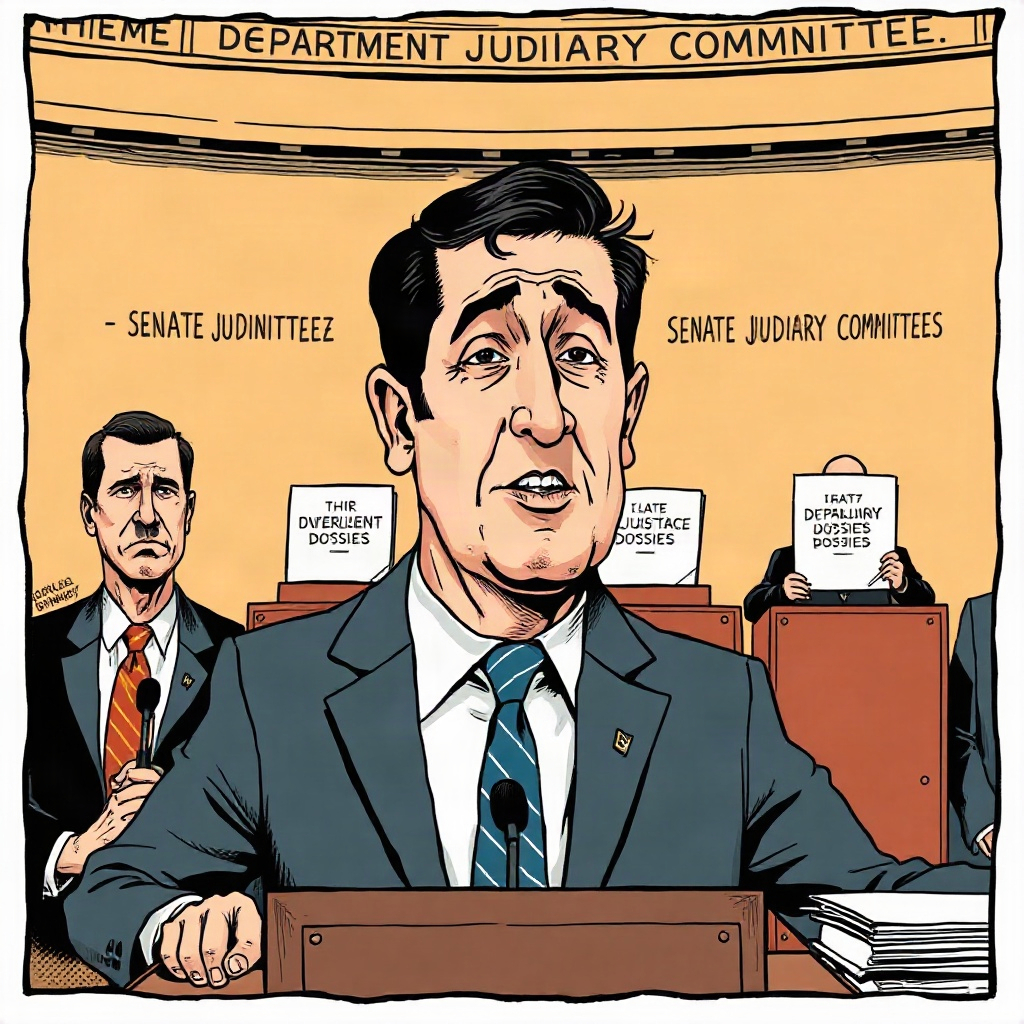
Ted Cruz · U.S. Senator from Texas
Rafael Edward Cruz, the junior United States Senator representing Texas since 2013, has occupied a central role in contemporary American conservative politics. A Harvard Law graduate, former Texas Solicitor General, and high-ranking member of the Senate Judiciary Committee, Cruz has cultivated a reputation as an assertive interrogator during federal oversight hearings. As public and media scrutiny intensified surrounding the criminal network of the late financier Jeffrey Epstein, prominent figures across the political, financial, and cultural spectrum faced extensive examination. In the case of Ted Cruz, investigative inquiries, flight logs, court dockets, and government records reveal an interaction with the Epstein saga defined strictly by congressional oversight and partisan rhetoric, rather than personal, social, or financial association.
Following Epstein's July 2019 arrest by the U.S. Attorney's Office for the Southern District of New York on sex trafficking charges, public interest surged regarding which political and business elites were embedded within Epstein's orbit. Investigators and independent journalists combed through troves of evidence, including the Federal Bureau of Investigation's records, Palm Beach Police Department investigative files from the 2005 to 2007 probe, Epstein's personal address books, and the flight manifests from his private aircraft, colloquially known as the Lolita Express. Across thousands of pages of these primary source records, Ted Cruz does not appear. There is no evidence indicating that Cruz ever traveled aboard Epstein's planes, visited his residences in Manhattan, Palm Beach, New Mexico, or Little Saint James, or received financial donations directly from Epstein or his affiliated foundations.
Despite the complete absence of personal ties, Cruz's position on the Senate Judiciary Committee placed him directly in the institutional wake of the scandal. The committee maintains jurisdiction over the Department of Justice, the Federal Bureau of Investigation, and the Federal Bureau of Prisons, all of which faced severe scrutiny regarding their management of Epstein's cases. The first notable intersection between Cruz's legislative record and the Epstein controversy occurred through the nomination and subsequent tenure of Alexander Acosta. In 2008, while serving as the U.S. Attorney for the Southern District of Florida, Acosta approved the controversial federal non-prosecution agreement that allowed Epstein to plead guilty to state prostitution solicitation charges, thereby avoiding federal sex trafficking indictments.
Related articles
Jeffrey Epstein and Albert Bryan Jr.
Investigative report examining USVI Governor Albert Bryan Jr.'s administrative and political connections to Jeffrey Epstein and the tax incentives inquiry.
Read article →
Jeffrey Epstein and John de Jongh Jr.
Investigative review of USVI Governor John de Jongh Jr.'s administration, his family's financial ties to Jeffrey Epstein, and state tax exemptions.
Read article →
Jeffrey Epstein and Kenneth Mapp
Investigative report on Jeffrey Epstein's political ties and tax benefits under former U.S. Virgin Islands Governor Kenneth Mapp from 2015 to 2019.
Read article →
Jeffrey Epstein and Stacey Plaskett
Investigative review of public records, FEC filings, and court disclosures detailing the ties between Jeffrey Epstein and USVI Delegate Stacey Plaskett.
Read article →