Key Facts
None; no records substantiate personal, financial, or political ties
Documented Relationship
Public Records Archive
Sonny Bono does not appear in Jeffrey Epstein's flight logs
Flight Log Records
US v. Maxwell Court Exhibits (2021)
Absent from Epstein's contacts directory ('black book')
Address Book Records
Palm Beach Police Evidence Records
Accidental blunt force trauma from a tree collision while skiing
Official Cause of Death
Douglas County Sheriff's Department (1998)
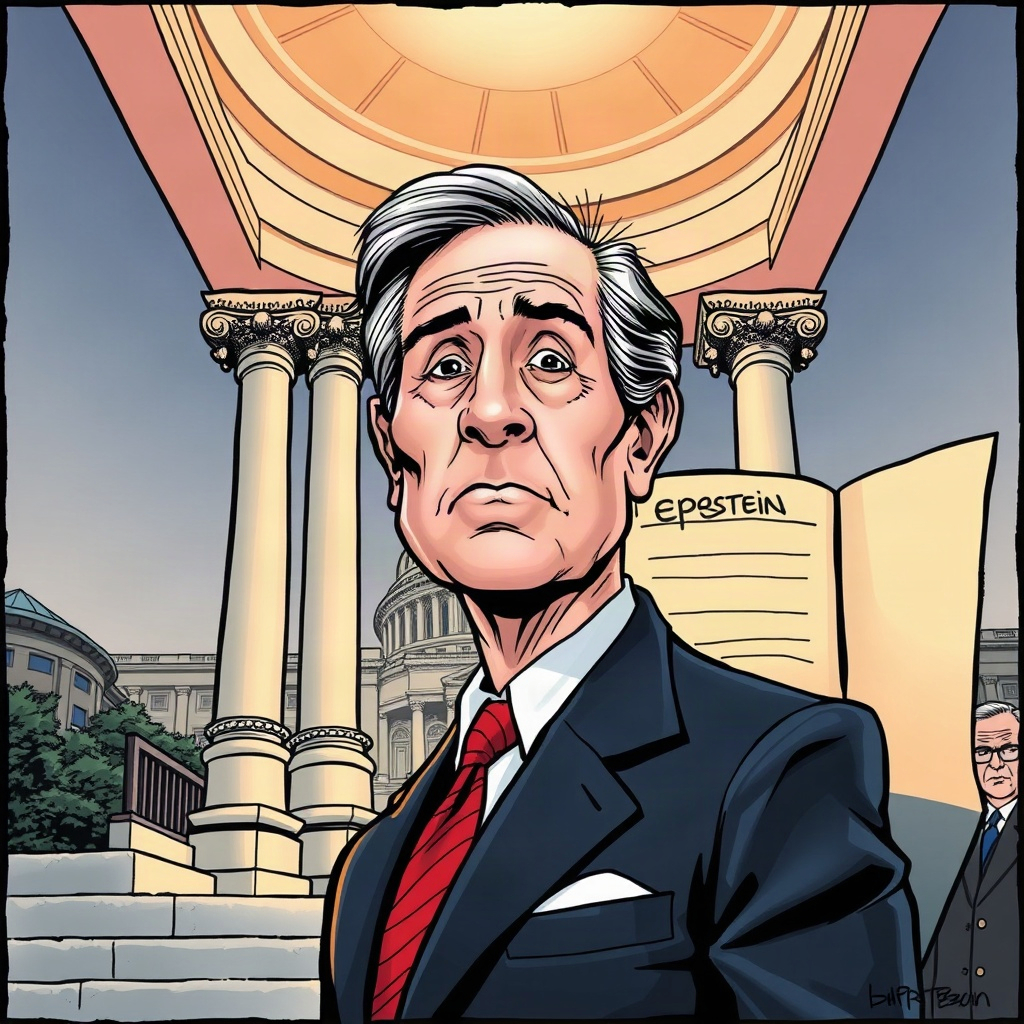
Sonny Bono · U.S. Representative and Entertainer
In the exhaustive public accounting that followed the 2019 arrest and subsequent death of convicted sex offender Jeffrey Epstein, researchers, journalists, and amateur investigators examined thousands of pages of records seeking to map the financier’s elite social and political networks. Epstein’s documented strategy of cultivating influential figures spanned academia, Wall Street, royalty, and high-level politics in Washington and Palm Beach. Amid the scrutiny of Epstein’s extensive rolodex and flight logs, fringe theories and speculative reports emerged linking the financier to former pop star and California congressman Salvatore Phillip 'Sonny' Bono. An investigation into available court records, federal disclosures, congressional archives, and law enforcement files, however, reveals no verified connection between Bono and Epstein, highlighting the persistent spread of uncorroborated narratives within the broader Epstein investigative sphere.
Sonny Bono rose to international fame during the 1960s and 1970s as half of the pop music duo Sonny & Cher before transitioning into a second career in public service. After serving as the mayor of Palm Springs from 1988 to 1992, Bono was elected to the United States House of Representatives in 1994 as part of the Republican Revolution. Serving California’s 44th congressional district until his sudden death in a skiing accident on January 8, 1998, Bono was a recognizable figure on Capitol Hill. During his tenure, he sat on the House Committee on the Judiciary and the Committee on National Security, positions that placed him in proximity to high-stakes legislative debates regarding federal oversight, criminal justice policy, and military affairs.
Following Epstein’s initial 2008 non-prosecution agreement in Florida and his eventual 2019 federal indictment in the Southern District of New York, speculative claims began circulating across digital media suggesting that Bono’s political work had brought him into direct conflict with powerful covert networks, including figures associated with Epstein. Proponents of these theories alleged that Bono had been investigating high-level corruption or illicit sex-trafficking rings tied to political figures prior to his death. These claims frequently cited anonymous tips, ambiguous statements, or self-published accounts alleging foul play in Bono’s fatal collision with a tree at the Heavenly Mountain Resort in Nevada. Such theories positioned Bono’s death not as a recreational accident, but as a coordinated silencing intended to protect institutional networks.
Related articles
Jeffrey Epstein and Albert Bryan Jr.
Investigative report examining USVI Governor Albert Bryan Jr.'s administrative and political connections to Jeffrey Epstein and the tax incentives inquiry.
Read article →
Jeffrey Epstein and John de Jongh Jr.
Investigative review of USVI Governor John de Jongh Jr.'s administration, his family's financial ties to Jeffrey Epstein, and state tax exemptions.
Read article →
Jeffrey Epstein and Kenneth Mapp
Investigative report on Jeffrey Epstein's political ties and tax benefits under former U.S. Virgin Islands Governor Kenneth Mapp from 2015 to 2019.
Read article →
Jeffrey Epstein and Stacey Plaskett
Investigative review of public records, FEC filings, and court disclosures detailing the ties between Jeffrey Epstein and USVI Delegate Stacey Plaskett.
Read article →