Key Facts
1999–2004, operating under the formal designation 'C'
MI6 Chief Tenure
Foreign, Commonwealth & Development Office
No recorded personal meetings, flight records, or financial dealings with Jeffrey Epstein
Documented Contact
SDNY Unsealed Filings
Master of Pembroke College from 2004 to 2015
Cambridge Role
Pembroke College, Cambridge
Publicly described Prince Andrew's ties to Epstein and subsequent media defense as an institutional catastrophe
Public Assessment
The Times (London)
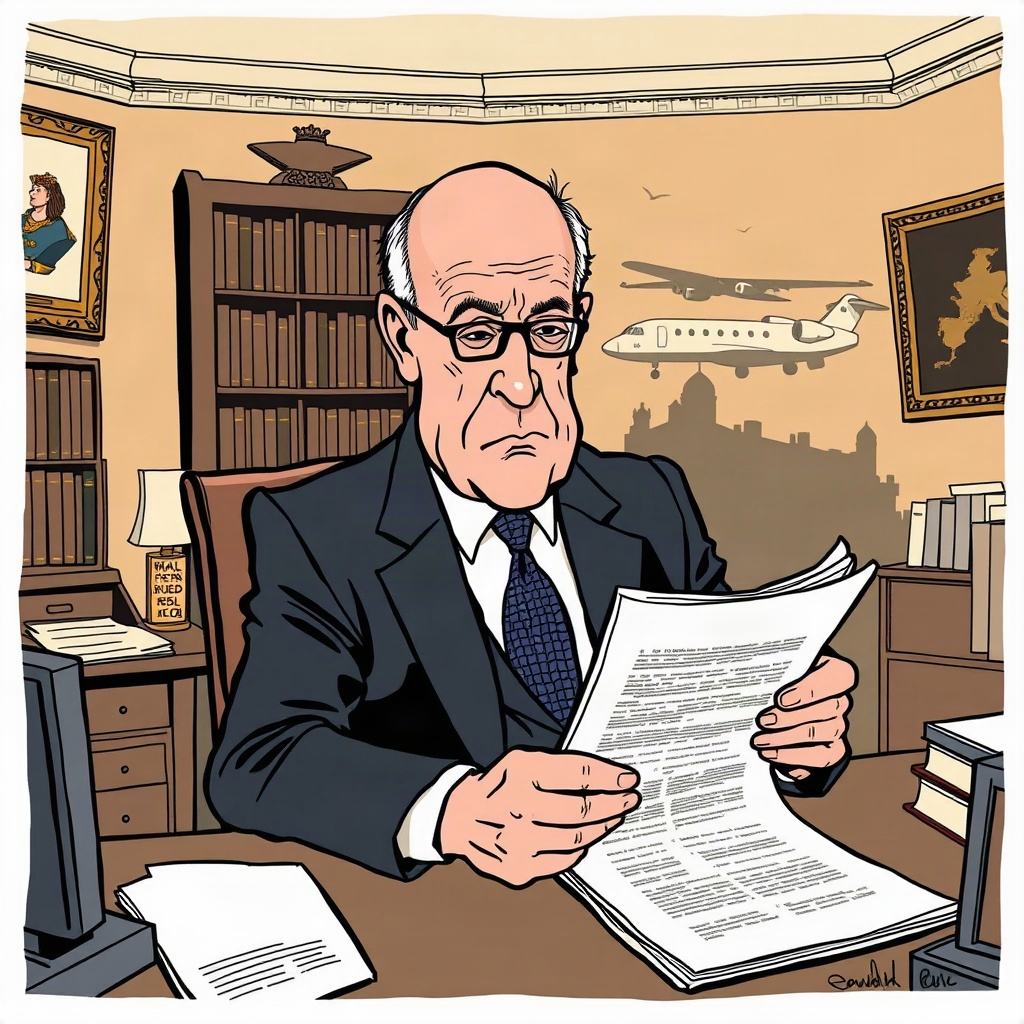
Sir Richard Dearlove · Former Chief of MI6
Sir Richard Dearlove spent nearly four decades inside the upper echelons of British intelligence, culminating in his appointment as the Chief of the Secret Intelligence Service, widely known as MI6, from 1999 to 2004. Known formally within the British civil service as 'C', Dearlove oversaw foreign espionage operations during a tumultuous geopolitical era defined by the aftermath of the Cold War and the onset of the global war on terror. In the years following his departure from government service, Dearlove transitioned into academia as Master of Pembroke College, Cambridge, and emerged as a prominent public commentator on international security, statecraft, and diplomatic protocol. However, in the wake of the 2019 federal arrest and subsequent death of convicted sex offender Jeffrey Epstein, Dearlove’s name surfaced across investigative reporting and public inquiries into how Epstein infiltrated elite British networks without triggering security alarms.
The nexus between Sir Richard Dearlove and Jeffrey Epstein is defined not by direct personal camaraderie or documented financial transactions, but rather by institutional proximity, intelligence oversight, and post-scandal commentary. A thorough examination of the public record—including the unsealed court records from Giuffre v. Maxwell, flight manifests from Epstein’s private aircraft, the Palm Beach Police investigative files, and Epstein’s personal address books—yields no evidence that Dearlove was an associate, guest, or beneficiary of the American financier. Instead, the intersection of their names in media archives arises from two specific dimensions: Dearlove’s leadership of MI6 during the exact years Prince Andrew solidified his friendship with Epstein, and persistent public debates surrounding whether Western intelligence services monitored or utilized Epstein’s transnational operations.
During Dearlove’s tenure as Chief of MI6 from 1999 to 2004, Prince Andrew developed his fateful association with Epstein and Ghislaine Maxwell. Key milestones in that relationship occurred precisely on Dearlove's watch, including the December 2000 shooting party hosted by the Duke of York at Sandringham, Epstein’s visits to Royal Lodge in Windsor, and Prince Andrew’s high-profile stays at Epstein’s Manhattan townhouse and private Caribbean island. As the Duke of York took on the formal role of the United Kingdom’s Special Representative for International Trade and Investment in 2001, he was surrounded by British diplomatic and security personnel. Investigative journalists and parliamentary observers have subsequently raised probing questions regarding why British intelligence mechanisms failed to flag Epstein’s obvious counterintelligence risks, given Epstein's documented penchant for surrounding powerful political figures with vulnerable young women.
Related articles
Jeffrey Epstein and William J. Burns
Investigative report examining the documented 2014 meetings between CIA Director William J. Burns and Jeffrey Epstein, based on public records.
Read article →
Jeffrey Epstein and Peter Thiel
An investigative examination of Peter Thiel's documented meetings with Jeffrey Epstein based on leaked calendars, flight logs, and public reporting.
Read article →
Jeffrey Epstein and General Wesley Clark
Investigative analysis of retired General Wesley Clark's appearances in Jeffrey Epstein's flight logs, address books, and unsealed court records.
Read article →
Jeffrey Epstein and Douglas Leese
Investigative report on British arms broker Douglas Leese and his late-1980s alliance with Jeffrey Epstein and Towers Financial corporate takeover bids.
Read article →