Key Facts
Three scheduled meetings in Washington, D.C. in 2014
Documented Meetings
The Wall Street Journal (2023)
Deputy Secretary of State
Official Capacity at Time
State Department Transition Filings (2014)
Advice on transitioning from government to the private/philanthropic sector
Stated Purpose
CIA Press Statement (2023)
No recorded meetings, financial ties, or travel after 2014
Subsequent Contact
The Wall Street Journal (2023)
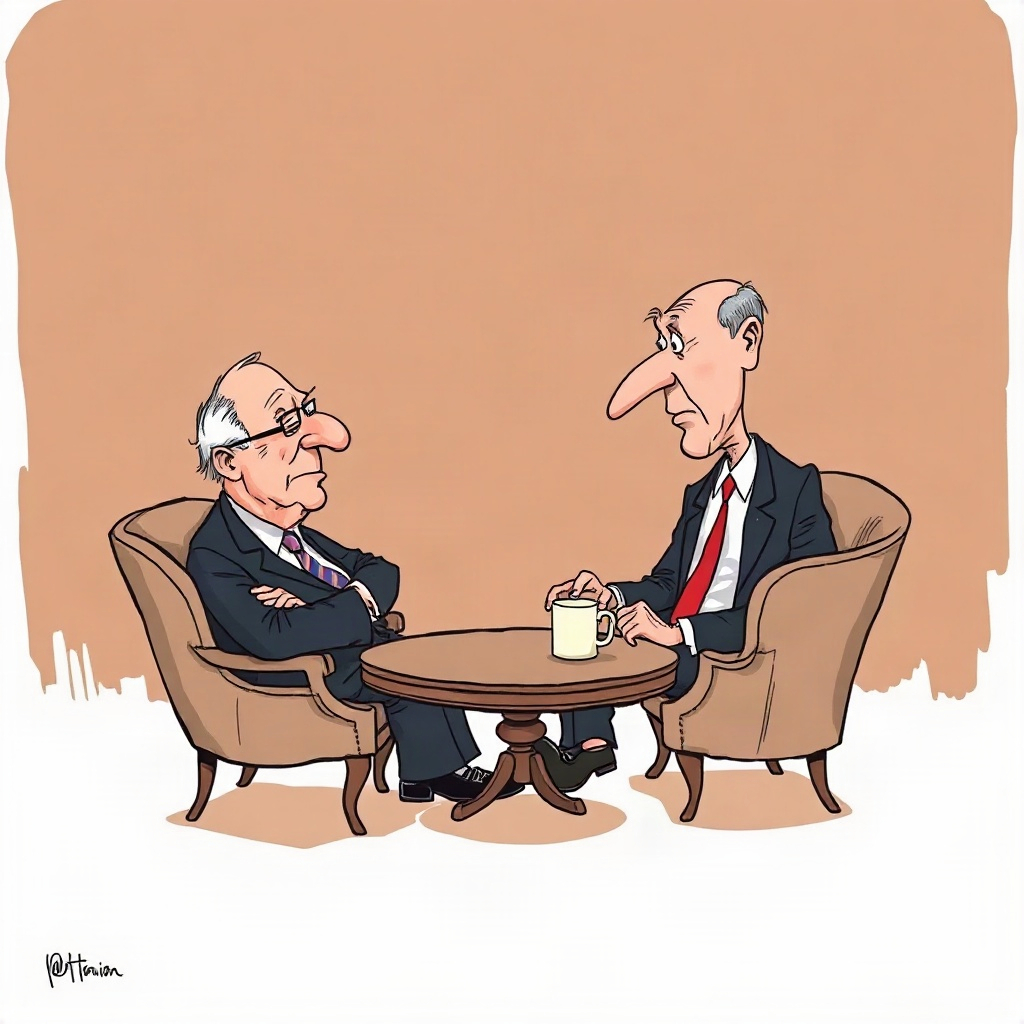
William J. Burns · Director of the CIA
In April 2023, an extensive cache of Jeffrey Epstein’s private scheduling records and calendars was brought to light by investigative reporting in The Wall Street Journal. The documents provided the public with an unprecedented view into the disgraced financier’s post-conviction networking apparatus, detailing meetings, calls, and travel itineraries stretching years past his 2008 guilty plea in Florida for soliciting prostitution from a minor. Among the most striking revelations in the archival documents was the presence of William J. Burns, a career diplomat who was serving at the time as Deputy Secretary of State and who would later be appointed by President Joe Biden to lead the Central Intelligence Agency.
William J. Burns had long been considered one of the most respected and restrained figures in American foreign policy. A career Foreign Service officer who rose to the highest echelons of the State Department, Burns served as United States Ambassador to Jordan, Ambassador to Russia, and Under Secretary of State for Political Affairs before assuming the role of Deputy Secretary of State in 2011 under President Barack Obama. Following his retirement from public service in late 2014, Burns spent several years as president of the Carnegie Endowment for International Peace, a premier foreign affairs think tank, before returning to government in 2021 as the Director of the CIA. His reputation for institutional integrity and discreet diplomacy made his presence on Epstein’s calendar a focal point of intense scrutiny.
According to the calendar entries obtained by journalists, Burns was scheduled to meet with Epstein on three occasions in 2014. At the time, Burns was preparing to conclude his 33-year career in the United States Foreign Service and transition into civilian life. The documentation showed that the interactions took place in Washington, D.C., rather than at Epstein’s infamous residences in Manhattan, Palm Beach, or the U.S. Virgin Islands. The first recorded engagement was arranged in Washington, followed by subsequent discussions as Burns evaluated potential career paths in the non-profit and private sectors, including his eventual assumption of the presidency at the Carnegie Endowment.
Related articles
Jeffrey Epstein and Peter Thiel
An investigative examination of Peter Thiel's documented meetings with Jeffrey Epstein based on leaked calendars, flight logs, and public reporting.
Read article →
Jeffrey Epstein and General Wesley Clark
Investigative analysis of retired General Wesley Clark's appearances in Jeffrey Epstein's flight logs, address books, and unsealed court records.
Read article →
Jeffrey Epstein and Douglas Leese
Investigative report on British arms broker Douglas Leese and his late-1980s alliance with Jeffrey Epstein and Towers Financial corporate takeover bids.
Read article →
Jeffrey Epstein and Julian Leese
An investigative review of Julian Leese's presence in Jeffrey Epstein's records, examining contact listings, social ties, and legal documents.
Read article →