Jeffrey Epstein &
General Wesley Clark
Former NATO Supreme Allied Commander
Key Facts
Recorded on passenger manifests maintained by pilot David Rodgers in the early 2000s
Flight Log Appearances
US v. Maxwell Trial Exhibits (2021)
Listed in Epstein's personal address book with administrative contact details
Inclusion in Contact Directory
Epstein 'Black Book' Records (2015)
Zero civil or criminal allegations of abuse, illegal conduct, or complicity
Allegations of Misconduct
Giuffre v. Maxwell Unsealed Filings (2024)
No documented visits to Epstein's private compound on Little Saint James
Island Travel Records
FAA Records and Pilot Flight Manifests
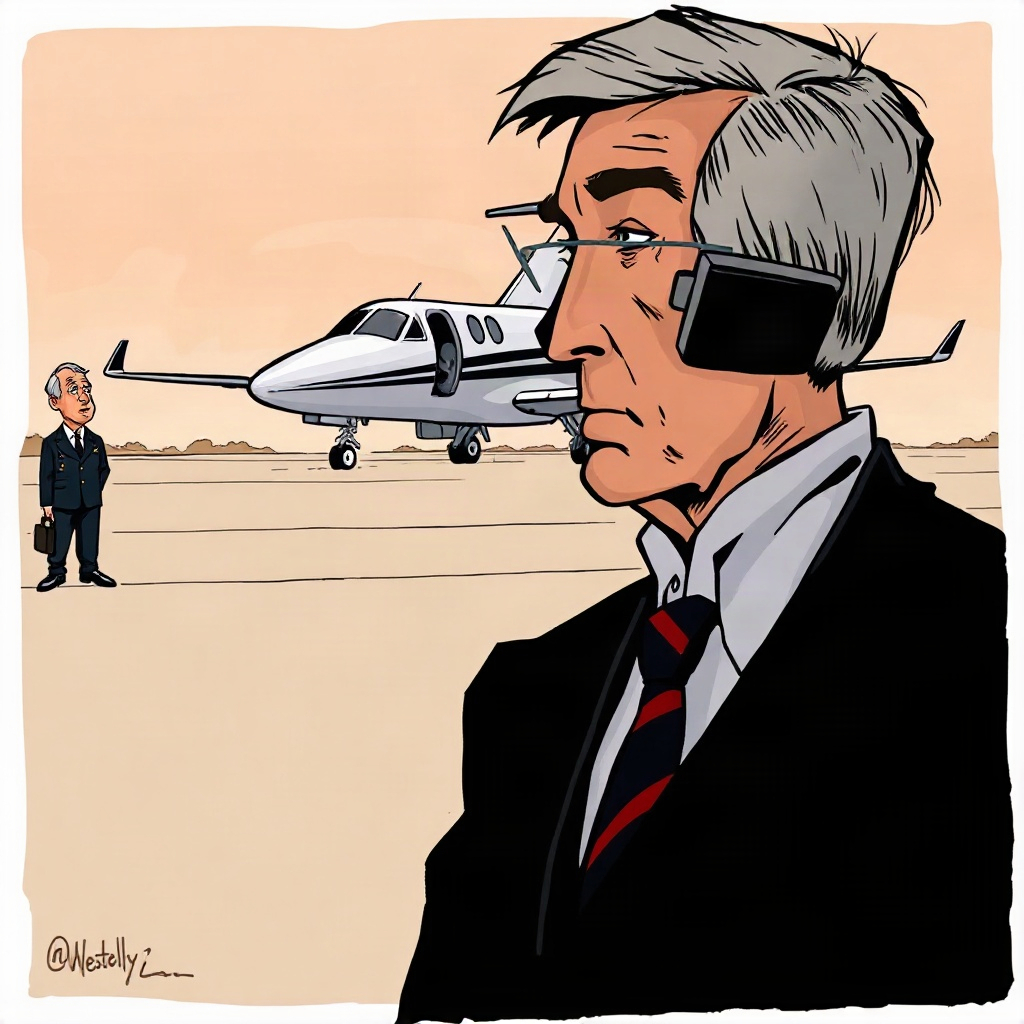
General Wesley Clark · Former NATO Supreme Allied Commander
The expansive web of influence spun by Jeffrey Epstein during the late 1990s and early 2000s reached far beyond high finance and Hollywood, deliberately infiltrating the upper echelons of international statecraft and defense policy. Among the military figures whose names surfaced in records detailing Epstein's private flights and social rolodex is retired General Wesley Clark. A decorated four-star general, former Supreme Allied Commander Europe of NATO, and 2004 Democratic presidential contender, Clark represented the kind of institutional authority Epstein routinely sought to cultivate. While Clark’s presence in public records tied to the late financier has drawn scrutiny, an examination of court records, pilot manifests, and unsealed depositions establishes that his interactions with Epstein were peripheral, yielding no civil claims or criminal allegations of misconduct.
General Wesley Clark concluded a distinguished military career in 2000 after overseeing NATO’s military campaign during the Kosovo War. Following his retirement from active service, Clark transitioned into strategic consulting, private equity, and national politics, becoming an influential voice on foreign policy and eventually launching a bid for the 2004 Democratic presidential nomination. During this transitional period in the private sector, Clark moved within high-profile philanthropic and geopolitical circles frequented by former President Bill Clinton, prominent diplomats, and wealthy donors. It was precisely within these elite environments that Jeffrey Epstein operated as an aggressive social climber, leveraging private aviation and philanthropic donations to position himself near figures of global consequence.
Clark's connection to Epstein first emerged in the public record through flight manifests kept by Epstein's long-time pilot, David Rodgers. These documents, which eventually entered the federal evidentiary record during the 2021 criminal trial of Ghislaine Maxwell in the Southern District of New York, detail flights aboard Epstein’s Boeing 727, often colloquially dubbed the Lolita Express. According to these logs, Clark traveled on Epstein’s aircraft in the early 2000s alongside other political and business figures. The passenger manifests indicate journeys connecting major political hubs, typical of the high-altitude networking Epstein organized to ingratiate himself with political and policy insiders.
Related articles
Jeffrey Epstein and William J. Burns
Investigative report examining the documented 2014 meetings between CIA Director William J. Burns and Jeffrey Epstein, based on public records.
Read article →

Jeffrey Epstein and Peter Thiel
An investigative examination of Peter Thiel's documented meetings with Jeffrey Epstein based on leaked calendars, flight logs, and public reporting.
Read article →
Jeffrey Epstein and Douglas Leese
Investigative report on British arms broker Douglas Leese and his late-1980s alliance with Jeffrey Epstein and Towers Financial corporate takeover bids.
Read article →

Jeffrey Epstein and Julian Leese
An investigative review of Julian Leese's presence in Jeffrey Epstein's records, examining contact listings, social ties, and legal documents.
Read article →