Key Facts
Zero verified campaign donations from Epstein or his entities
Direct Financial Ties
Florida Division of Elections / FEC
Scott served as Florida Governor for eight years (2011–2019)
Executive Oversight Period
State of Florida Executive Office
Rick Scott does not appear on any known Epstein flight manifests
Flight Log Documentation
Public Records / Court Exhibits
FDLE investigation was ordered by successor Ron DeSantis in 2019, not during Scott's term
State Inquiry Action
Executive Order / FDLE Records
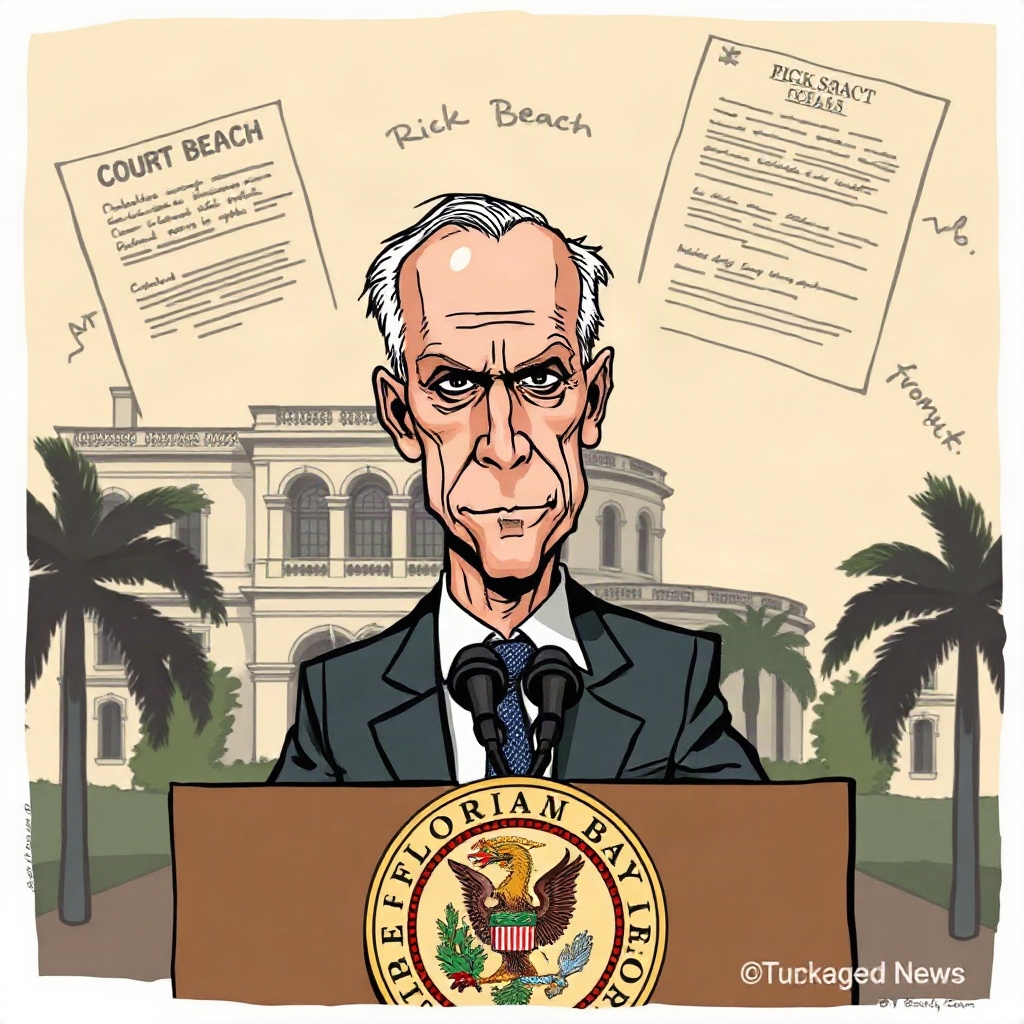
Rick Scott · U.S. Senator from Florida
The intersection of Jeffrey Epstein's criminal history and Florida state politics has long been a subject of intense investigative focus. As the financier maintained his primary residence in Palm Beach from 1990 until his death, his influence touched numerous local and state institutions. Among the prominent Florida figures scrutinized in the wake of Epstein's 2019 arrest is Rick Scott, a high-profile Republican who served as the 45th governor of Florida from 2011 to 2019 and currently serves as the state's junior United States Senator. Unlike figures within Epstein's social orbit, the connection between Scott and Epstein does not stem from personal friendship, shared flight manifests, or private gatherings, but rather from institutional oversight, political accountability, and the state-level apparatus that allowed Epstein to evade severe punishment for over a decade.
To understand the context of the public record regarding Rick Scott and Jeffrey Epstein, one must examine the timeline of Epstein's initial legal proceedings in Palm Beach County. In 2008, Epstein entered a highly controversial state plea deal negotiated alongside a federal non-prosecution agreement overseen by then-U.S. Attorney Alexander Acosta. Epstein pleaded guilty to two state charges of soliciting prostitution, including one involving a minor, and was sentenced to an eighteen-month term at the Palm Beach County Stockade. Rather than serving conventional incarceration, Epstein received extraordinary work-release privileges from the Palm Beach County Sheriff's Office, spending up to twelve hours a day, six days a week, at his private West Palm Beach office before his release in 2009. His formal community control and probation continued into late 2010.
Rick Scott, a wealthy former healthcare executive who had never held elected office, won the Florida gubernatorial election in November 2010 and took the oath of office in January 2011. Scott assumed leadership of the state executive branch just as Epstein was completing his formal state probation requirements and transitioning back to unfettered private life. As governor, Scott served as the chief executive overseeing the Florida Department of Law Enforcement, the executive clemency process, and the overarching framework of the state's criminal justice system. Throughout Scott's two full terms in Tallahassee, lasting until January 2019, victim advocates and investigative reporters repeatedly raised questions regarding why the state of Florida had never comprehensively investigated the irregular work-release arrangements, potential prosecutorial misconduct, or systemic failures that characterized Epstein's 2008 plea agreement.
Related articles
Jeffrey Epstein and Albert Bryan Jr.
Investigative report examining USVI Governor Albert Bryan Jr.'s administrative and political connections to Jeffrey Epstein and the tax incentives inquiry.
Read article →
Jeffrey Epstein and John de Jongh Jr.
Investigative review of USVI Governor John de Jongh Jr.'s administration, his family's financial ties to Jeffrey Epstein, and state tax exemptions.
Read article →
Jeffrey Epstein and Kenneth Mapp
Investigative report on Jeffrey Epstein's political ties and tax benefits under former U.S. Virgin Islands Governor Kenneth Mapp from 2015 to 2019.
Read article →
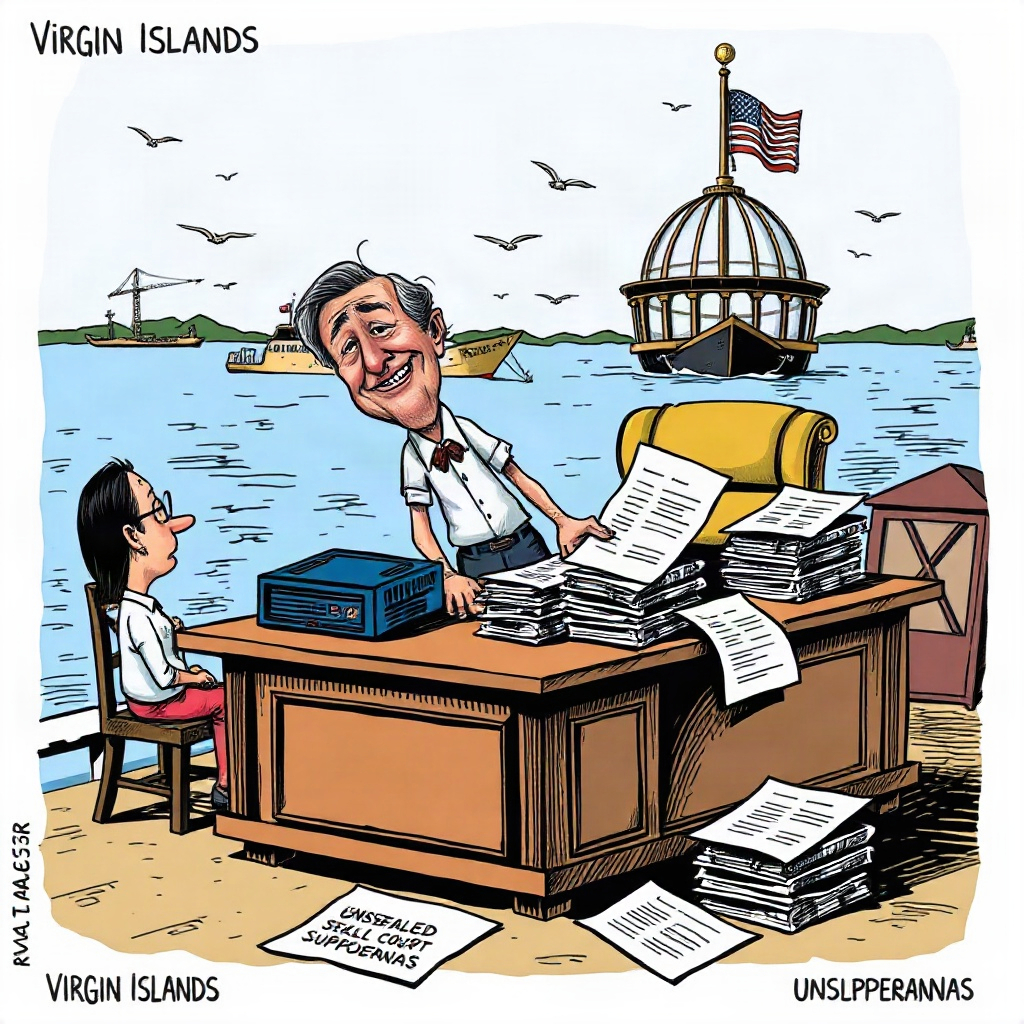
Jeffrey Epstein and Stacey Plaskett
Investigative review of public records, FEC filings, and court disclosures detailing the ties between Jeffrey Epstein and USVI Delegate Stacey Plaskett.
Read article →