Key Facts
Ric Bradshaw (Palm Beach County Sheriff since 2005)
Sheriff in Office
Palm Beach County Supervisor of Elections
Up to 12 hours per day, 6 days per week at his private West Palm Beach office
Work-Release Allowance
PBSO Detention Center Records (2008)
Systemic administrative failures and irregular privileges without criminal charges
FDLE Investigation Conclusion
FDLE Executive Review Report (2021)
Off-duty PBSO deputies were paid to provide security and transportation during release hours
Security Detail Anomaly
Miami Herald / FDLE Report
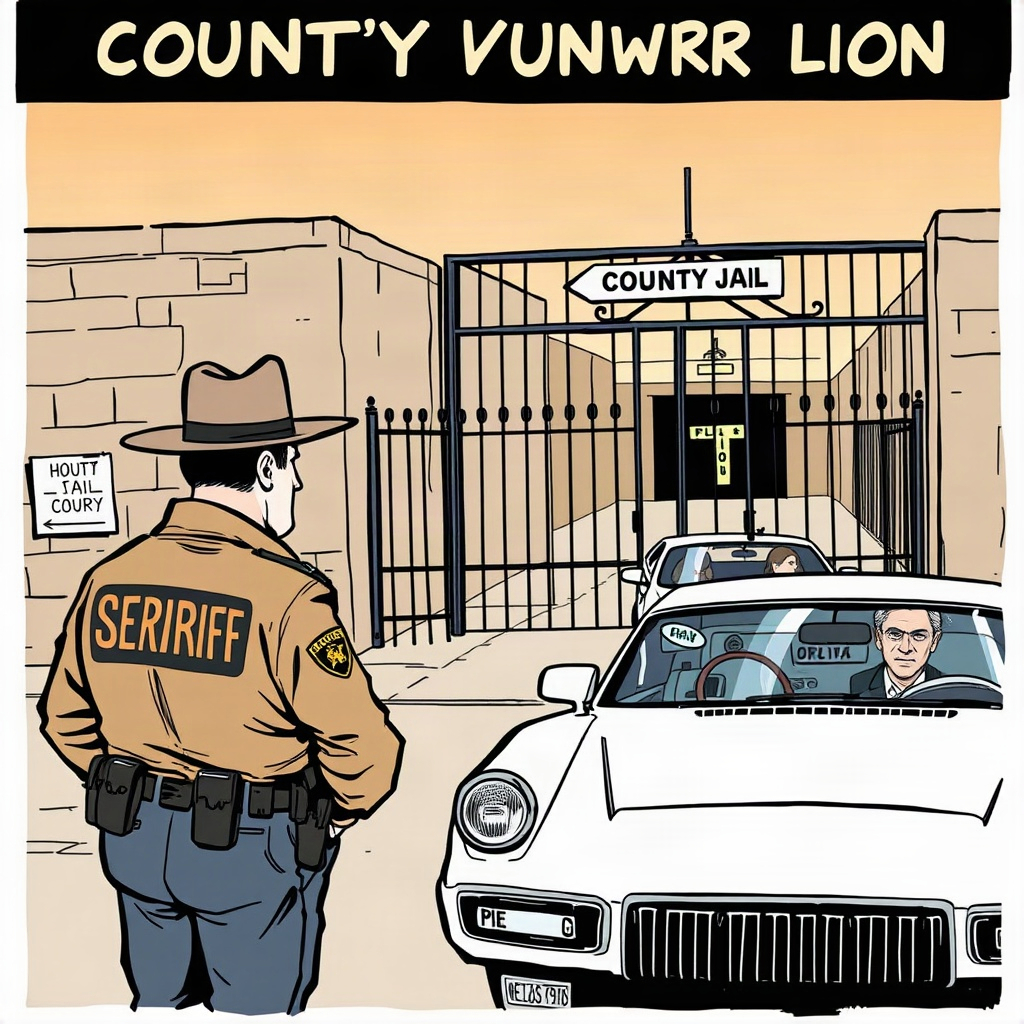
Ric Bradshaw · Palm Beach County Sheriff
In the annals of the American criminal justice system, few incarceration arrangements have provoked as much public scrutiny and outrage as the eighteen-month sentence served by Jeffrey Epstein in Palm Beach County, Florida. Following his covert 2008 federal non-prosecution agreement and subsequent plea deal on state prostitution charges, Epstein was remanded to the custody of the Palm Beach County Sheriff's Office, overseen by longtime Sheriff Ric Bradshaw. Rather than facing the austere confines typical of county correctional facilities, Epstein was granted access to a work-release program that allowed him to spend up to twelve hours a day, six days a week, outside the facility at his private office in West Palm Beach. The administrative decisions that enabled this unprecedented leniency placed Bradshaw and his department at the center of a protracted debate regarding preferential treatment, law enforcement ethics, and institutional oversight.
Ric Bradshaw, a career law enforcement officer who took office as Palm Beach County Sheriff in 2005, presided over an agency tasked with managing both patrol operations and the county's detention facilities, including the Palm Beach County Stockade where Epstein served his time. When Epstein reported to custody in 2008, public records indicate that jail administrators quickly accommodated his requests for work-release privileges, citing court orders and standard internal policies. However, subsequent investigative reporting and public records disclosures revealed that the level of freedom Epstein enjoyed went far beyond the standard parameters established for ordinary offenders within the same correctional system. While low-level inmates in work-release programs are typically subjected to rigorous supervision, random drug screenings, and strict perimeter controls, Epstein operated with minimal direct surveillance from sheriff's deputies during his daytime excursions.
Investigative records show that Epstein's work-release itinerary permitted him to be driven from the Palm Beach County Stockade directly to his downtown West Palm Beach office suites. Official logs and internal departmental communications, obtained through public records requests by journalists and legal investigators, documented that Epstein was frequently transported not in secure correctional vehicles, but by his personal chauffeur in luxury cars. Once at his office, Epstein was theoretically supposed to be conducting legitimate employment activities under monitored conditions. In reality, state and federal investigative reviews later established that Epstein received dozens of unauthorized visitors, conducted personal business, and maintained contact with numerous young women, all while remaining under the formal custodial purview of Bradshaw's agency.
Related articles
Jeffrey Epstein and Albert Bryan Jr.
Investigative report examining USVI Governor Albert Bryan Jr.'s administrative and political connections to Jeffrey Epstein and the tax incentives inquiry.
Read article →
Jeffrey Epstein and John de Jongh Jr.
Investigative review of USVI Governor John de Jongh Jr.'s administration, his family's financial ties to Jeffrey Epstein, and state tax exemptions.
Read article →
Jeffrey Epstein and Kenneth Mapp
Investigative report on Jeffrey Epstein's political ties and tax benefits under former U.S. Virgin Islands Governor Kenneth Mapp from 2015 to 2019.
Read article →
Jeffrey Epstein and Stacey Plaskett
Investigative review of public records, FEC filings, and court disclosures detailing the ties between Jeffrey Epstein and USVI Delegate Stacey Plaskett.
Read article →