Jeffrey Epstein &
Rabbi Yehuda Krinsky
Chairman, Chabad-Lubavitch Movement
Key Facts
Global Chairman of Merkos L'Inyonei Chinuch and Machne Israel
Official Capacity
Chabad-Lubavitch Official Records
Listed in Epstein's address book with institutional contact numbers for 770 Eastern Parkway
Documentary Connection
Epstein Address Book Public Evidentiary Release (2009)
No record of travel on any Epstein aircraft manifests
Flight Log Status
Epstein Flight Logs Public Record
No allegations of misconduct or illicit participation in any civil or criminal filings
Allegations Status
Giuffre v. Maxwell Court Records
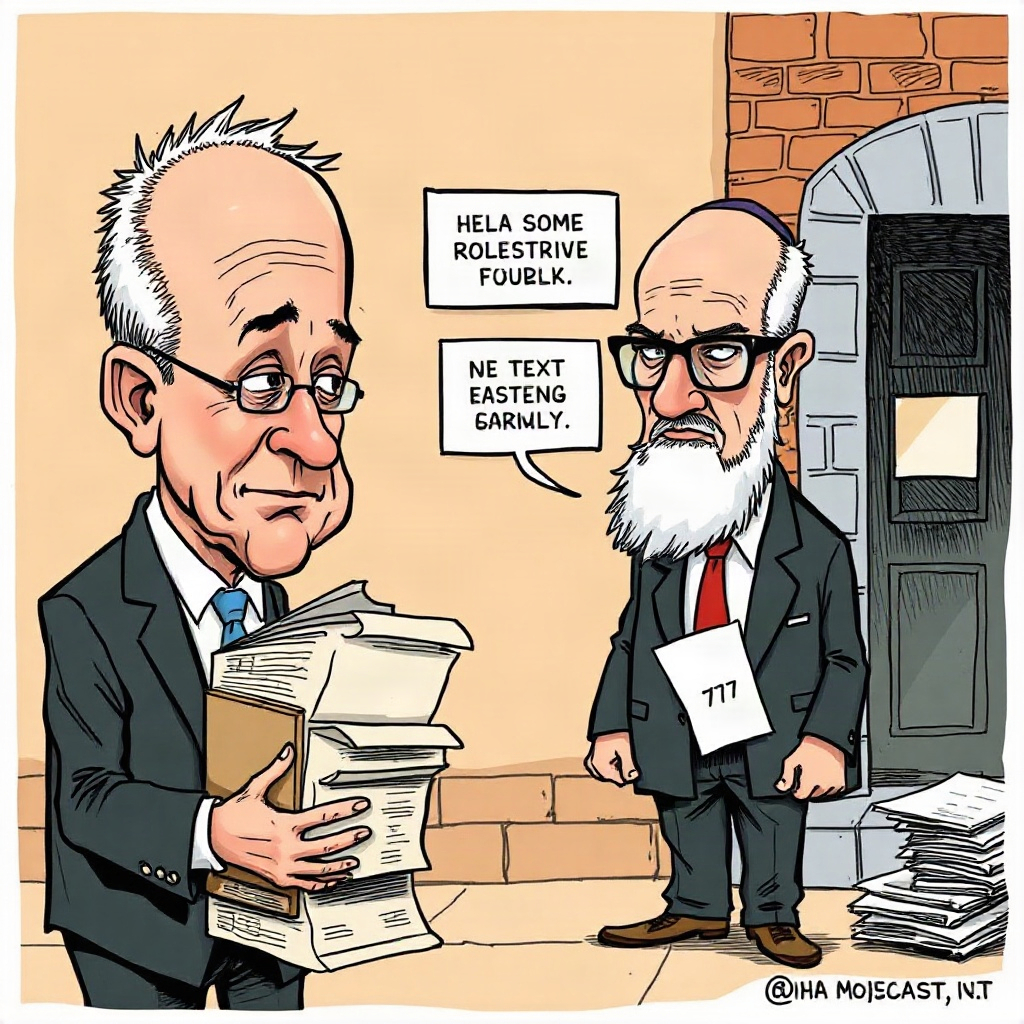
Rabbi Yehuda Krinsky · Chairman, Chabad-Lubavitch Movement
In the decades leading up to his 2019 federal indictment, Jeffrey Epstein cultivated an expansive rolodex that spanned global heads of state, corporate titans, academic researchers, and prominent religious leaders. Among the thousands of entries uncovered in his personal directories and institutional contact records is Rabbi Yehuda Krinsky, one of the most visible and influential leaders of the global Chabad-Lubavitch movement. An examination of public filings, investigative records, and philanthropic disclosures reveals the specific context of Krinsky’s presence in Epstein’s orbit, shedding light on how the financier leveraged high-level institutional and charitable contacts while highlighting the absence of any documented misconduct or illicit collaboration between the two men.
Rabbi Yehuda Krinsky has for decades occupied a central position within Orthodox Judaism. Born in Boston in 1933, Krinsky joined the Chabad-Lubavitch headquarters at 770 Eastern Parkway in Crown Heights, Brooklyn, during his youth. In the 1950s, he became a close personal aide and press secretary to Rabbi Menachem Mendel Schneerson, the seventh Lubavitcher Rebbe. Over subsequent decades, Krinsky became the public voice of Chabad, managing relations with media, political figures, and international governments. Following Schneerson’s death in 1994, Krinsky was designated as a primary trustee and executor of the Rebbe's estate, assuming the chairmanship of the movement’s central institutional arms: Merkos L'Inyonei Chinuch, the educational division, and Machne Israel, the social services apparatus. Under his administrative stewardship, the Chabad movement expanded exponentially across the globe.
The nexus between Epstein and Krinsky emerges primarily through physical records recovered during law enforcement inquiries into Epstein’s operations. During the 2005–2006 Palm Beach Police Department investigation, authorities secured a comprehensive spiral-bound contact directory commonly referred to in public reporting as Epstein's "black book." Within this directory, Rabbi Yehuda Krinsky is listed alongside primary contact details for the Chabad-Lubavitch international headquarters in Brooklyn. The entry includes office telephone numbers and institutional coordinates, matching standard directory listings for high-profile religious and administrative figures.
Investigative journalists and legal analysts reviewing Epstein’s network have repeatedly noted that the directory served as an exhaustive catalog of prominent figures compiled by Epstein and his administrative staff over decades. Inclusion in the directory did not require an intimate social relationship or personal complicity in Epstein’s private life. Rather, the roster frequently reflected institutional outreach, political contacts, potential donors, or networking leads acquired through Epstein’s broader financial dealings. In the case of Krinsky, the contact appears in the context of institutional leadership rather than personal correspondence.
Related articles
Jeffrey Epstein and Wexner Heritage Program
Investigative report on Jeffrey Epstein's fiduciary authority, financial control, and institutional ties to the Wexner Heritage Program.
Read article →
Jeffrey Epstein and Bishop Marcelo Sánchez Sorondo
Investigative report examining Jeffrey Epstein's documented meetings and calendar appointments with Vatican Chancellor Bishop Marcelo Sánchez Sorondo.
Read article →
Jeffrey Epstein and Cardinal Angelo Becciu
An investigative review examining alleged links, financial overlaps, and public records connecting Cardinal Angelo Becciu to Jeffrey Epstein.
Read article →
Jeffrey Epstein and Cardinal Theodore McCarrick
Investigative analysis of the alleged ties and documented parallels between Jeffrey Epstein and defrocked Catholic Cardinal Theodore McCarrick.
Read article →