Key Facts
Attorney General of the United States (November 2007 – January 2009)
Mukasey's Role
Department of Justice Historical Records
No evidence found of personal intervention or review of Epstein's deal
Direct Intervention
DOJ OPR Report (2020)
Mukasey does not appear in Epstein's address books or flight manifests
Flight Logs & Address Books
Public Exhibit Filings
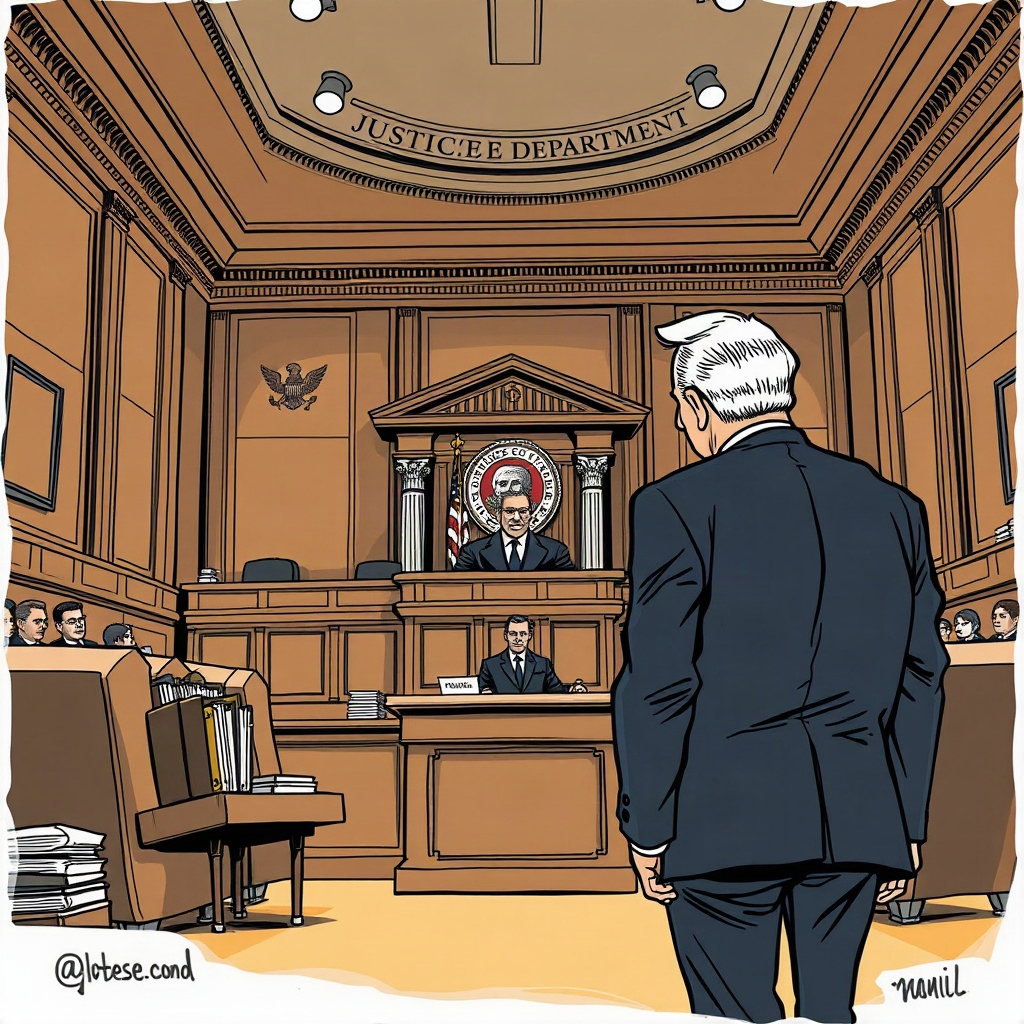
Michael Mukasey · Former U.S. Attorney General
The institutional scrutiny surrounding Jeffrey Epstein’s unprecedented 2008 federal non-prosecution agreement has continually directed investigative focus toward the highest levels of the United States Department of Justice. At the center of inquiries regarding executive oversight during that period sits Michael Mukasey, a seasoned jurist and former Chief Judge of the U.S. District Court for the Southern District of New York who served as the 81st Attorney General of the United States from November 2007 through January 2009. While Mukasey has never been accused of personal misconduct, social association, or illicit involvement with Epstein, his tenure at Main Justice coincided precisely with the finalization and execution of the controversial Florida agreement, making his administration a focal point in public records, congressional investigations, and federal watchdog reviews.
To understand the nexus between Epstein and Mukasey, one must examine the institutional mechanics of the federal criminal justice system during late 2007 and 2008. In the Southern District of Florida, then-U.S. Attorney Alexander Acosta was leading an office that negotiated a highly favorable non-prosecution agreement with Epstein’s high-powered defense team. The agreement effectively halted a federal sex-trafficking indictment in exchange for guilty pleas to two state-level prostitution charges, county jail work release, and unprecedented immunity from federal prosecution for Epstein and any unnamed co-conspirators. The negotiation unfolded during the exact months when Mukasey succeeded Alberto Gonzales at the helm of the Department of Justice.
The core investigative question that persisted for over a decade was whether Mukasey, or members of his executive leadership team, approved, directed, or were even briefed on the secret non-prosecution agreement. Under standard Department of Justice policies, U.S. Attorneys enjoy substantial discretion regarding local charging decisions; however, sensitive and high-profile matters often require briefings to Main Justice. When the Miami Herald published its investigative series in late 2018 detailing the suppressed scope of Epstein’s abuse and the irregular nature of the plea deal, congressional lawmakers demanded to know how Main Justice under Mukasey allowed such an agreement to pass through the federal apparatus.
The definitive public accounting of Mukasey’s institutional relationship to the case arrived in November 2020, when the Department of Justice’s Office of Professional Responsibility released its exhaustive 343-page investigative report. The OPR review analyzed hundreds of thousands of internal department communications, calendar entries, and prosecution memoranda spanning the George W. Bush administration. The watchdog's findings revealed that Alexander Acosta and his team in Miami largely operated without meaningful consultation from Washington leadership, keeping the contentious details of the non-prosecution agreement contained within the Southern District of Florida.
Related articles
Jeffrey Epstein and Albert Bryan Jr.
Investigative report examining USVI Governor Albert Bryan Jr.'s administrative and political connections to Jeffrey Epstein and the tax incentives inquiry.
Read article →
Jeffrey Epstein and John de Jongh Jr.
Investigative review of USVI Governor John de Jongh Jr.'s administration, his family's financial ties to Jeffrey Epstein, and state tax exemptions.
Read article →
Jeffrey Epstein and Kenneth Mapp
Investigative report on Jeffrey Epstein's political ties and tax benefits under former U.S. Virgin Islands Governor Kenneth Mapp from 2015 to 2019.
Read article →
Jeffrey Epstein and Stacey Plaskett
Investigative review of public records, FEC filings, and court disclosures detailing the ties between Jeffrey Epstein and USVI Delegate Stacey Plaskett.
Read article →