Key Facts
None identified in court documents, flight manifests, or phone records
Direct Personal Ties
Giuffre v. Maxwell Unsealed Exhibits (2024)
Chairman of the Senate Judiciary Committee during Epstein's 2019 death
Senate Oversight Role
U.S. Senate Records
$0 from Jeffrey Epstein or associated entities
Campaign Contributions
Federal Election Commission Disclosures
Called on DOJ and BOP to explain custodial lapses at MCC New York
Formal Inquiry Demands
Senate Judiciary Committee Statement (August 2019)
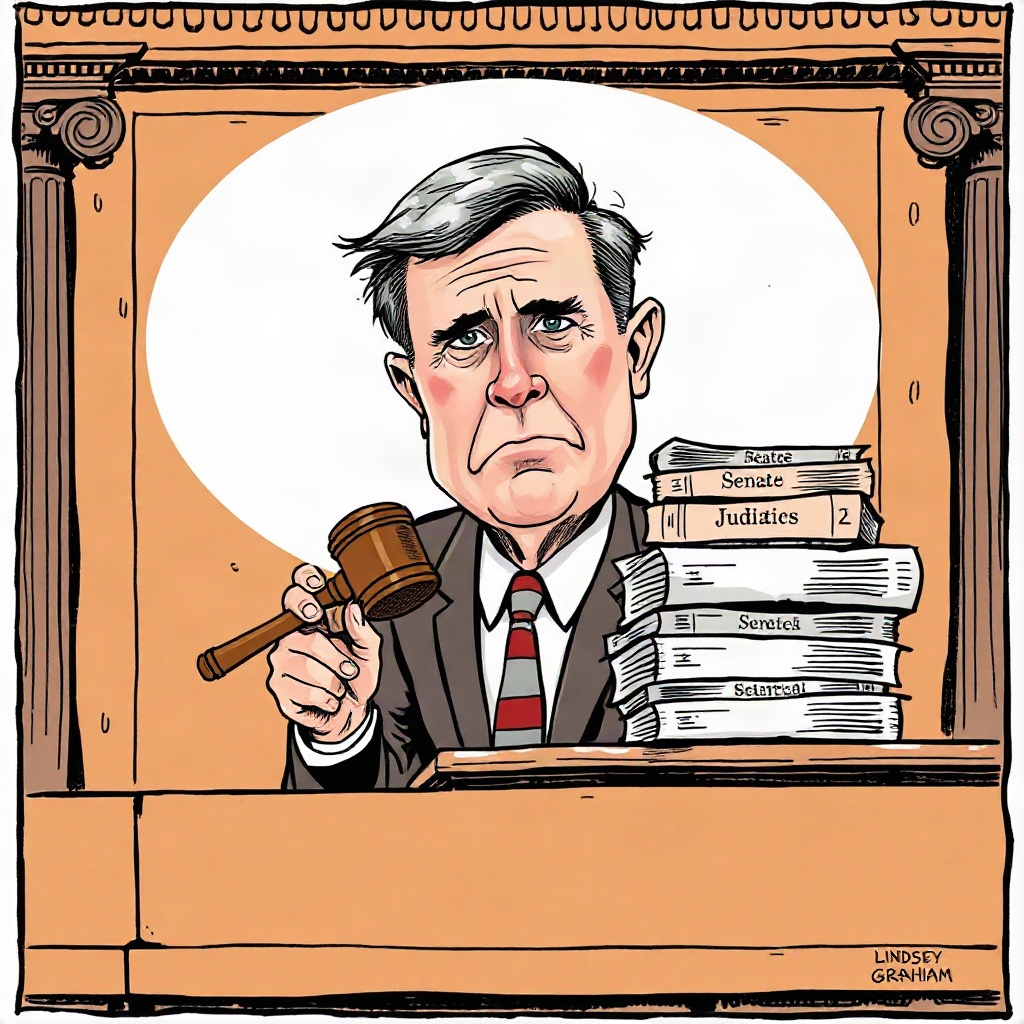
Lindsey Graham · U.S. Senator from South Carolina
In the extensive web of political, financial, and cultural figures scrutinized following the 2019 arrest and subsequent death of Jeffrey Epstein, members of the United States Congress faced heightened public attention. Among the lawmakers frequently searched in relation to the scandal is Senator Lindsey Graham, a veteran Republican from South Carolina who has served in federal office for nearly three decades. As chairman of the Senate Judiciary Committee during Epstein's final months, Graham occupied a pivotal role in the federal government's institutional response to the financier's crimes, custody, and controversial demise. However, an exhaustive examination of court exhibits, financial disclosures, and flight manifests reveals that Graham’s intersection with the Epstein archive is characterized entirely by legislative oversight and unverified public speculation rather than personal, social, or financial entanglements.
Lindsey Olin Graham was first elected to the United States House of Representatives in 1994 before winning his Senate seat in 2002. Throughout his Senate tenure, Graham built a reputation as a prominent defense hawk, senior member of the Senate Armed Services Committee, and later as the ranking member and chairman of the Senate Judiciary Committee. Given Epstein’s documented strategy of courting influential politicians across both major parties—particularly those with ties to high-profile philanthropic and policy circles in New York, Washington, and Palm Beach—investigative journalists and open-records researchers routinely cross-referenced congressional rosters against evidentiary troves released through federal prosecutions and civil litigation.
Primary documentary records that have defined the Epstein investigation include the Federal Bureau of Investigation’s evidentiary files, the unsealed exhibits from the 2015 defamation lawsuit Giuffre v. Maxwell, flight manifests logged by Epstein’s long-time pilots David Rodgers and Larry Visoski, and Epstein’s personal telephone directory commonly referred to as the black book. A systematic review of these records demonstrates no presence of Lindsey Graham. Unlike several contemporary political figures who attended dinners at Epstein’s Manhattan townhouse or accepted private flights aboard his aircraft, Graham does not appear in any released flight logs, nor does his name appear in Epstein’s personal directory or visitor records released by the Southern District of New York.
Related articles
Jeffrey Epstein and Albert Bryan Jr.
Investigative report examining USVI Governor Albert Bryan Jr.'s administrative and political connections to Jeffrey Epstein and the tax incentives inquiry.
Read article →
Jeffrey Epstein and John de Jongh Jr.
Investigative review of USVI Governor John de Jongh Jr.'s administration, his family's financial ties to Jeffrey Epstein, and state tax exemptions.
Read article →
Jeffrey Epstein and Kenneth Mapp
Investigative report on Jeffrey Epstein's political ties and tax benefits under former U.S. Virgin Islands Governor Kenneth Mapp from 2015 to 2019.
Read article →

Jeffrey Epstein and Stacey Plaskett
Investigative review of public records, FEC filings, and court disclosures detailing the ties between Jeffrey Epstein and USVI Delegate Stacey Plaskett.
Read article →