Key Facts
$0 from Jeffrey Epstein or affiliated foundations
Direct Campaign Contributions
Federal Election Commission Database
Zero appearances on Epstein aircraft manifests
Flight Log Appearances
Giuffre v. Maxwell Unsealed Exhibits
Early vocal proponent demanding resignation over 2008 plea deal
Role in Acosta Resignation
Senate Congressional Record (July 2019)
Bureau of Prisons negligence and prosecutorial accountability
Oversight Focus
DOJ Office of the Inspector General Report
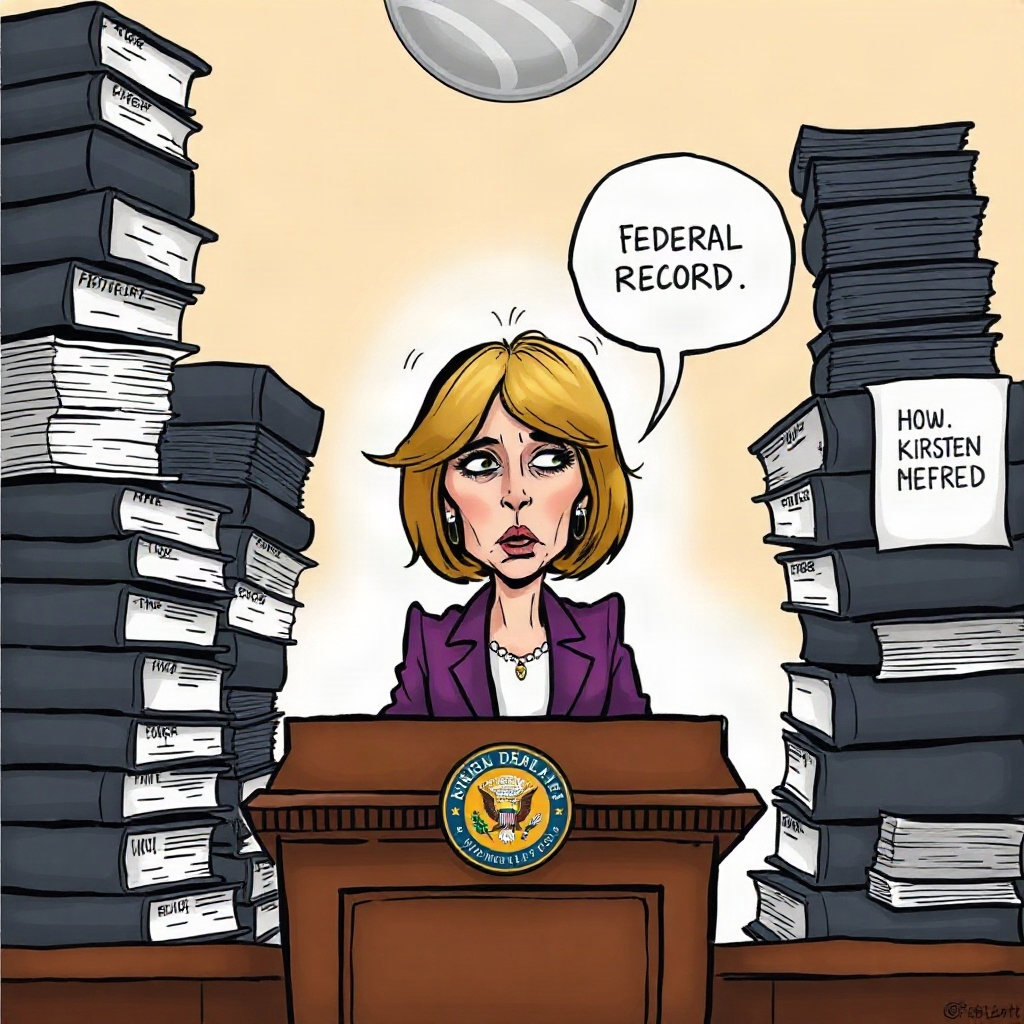
Kirsten Gillibrand · U.S. Senator from New York
In July 2019, when federal prosecutors in the Southern District of New York unsealed a sweeping sex-trafficking indictment against Jeffrey Epstein, political figures across New York faced an immediate audit of their historical interactions, campaign contributions, and social ties to the disgraced financier. Epstein had spent decades cultivating influence in Manhattan, hosting fundraisers, and donating tens of thousands of dollars to high-profile federal and state candidates. Among New York lawmakers subjected to intense scrutiny during this period was United States Senator Kirsten Gillibrand, who was simultaneously mounting a bid for the 2020 Democratic presidential nomination. As an elected official whose national brand was heavily defined by combating sexual assault in the military and workplace, Gillibrand faced direct questions regarding institutional accountability, political donor transparency, and the reach of Epstein’s influence throughout the state she represented.
Gillibrand’s rise in New York politics began in the late 1990s as a corporate attorney before serving in the Department of Housing and Urban Development during the Clinton administration. In 2006, she won an upset congressional victory in New York’s traditionally conservative 20th congressional district, serving in the House of Representatives until early 2009. Following Hillary Clinton’s confirmation as Secretary of State, then-Governor David Paterson appointed Gillibrand to fill the vacant Senate seat, a position she defended in a 2010 special election and subsequent general elections. Throughout her tenure, Gillibrand carved out a distinct political identity centered on systemic reform for survivors of sexual abuse, a profile that placed her in the national spotlight when the Epstein scandal reignited federal investigations into historical prosecutorial misconduct.
Following Epstein’s July 6, 2019 arrest at Teterboro Airport, investigative reporters, political opponents, and transparency organizations conducted exhaustive searches of Federal Election Commission filings to determine the extent of Epstein’s financial footprint among New York politicians. Records revealed that Epstein had previously directed substantial contributions to numerous prominent New York figures, including Senator Chuck Schumer, former Governor Eliot Spitzer, and various state and national party committees during the late 1990s and early 2000s. However, comprehensive reviews of Federal Election Commission filings, along with internal audits conducted by Gillibrand’s campaign compliance teams, confirmed that Gillibrand never received direct campaign donations from Jeffrey Epstein, his primary holding companies, or the C.O.U.Q. Foundation through which he channeled philanthropy.
Related articles
Jeffrey Epstein and Albert Bryan Jr.
Investigative report examining USVI Governor Albert Bryan Jr.'s administrative and political connections to Jeffrey Epstein and the tax incentives inquiry.
Read article →
Jeffrey Epstein and John de Jongh Jr.
Investigative review of USVI Governor John de Jongh Jr.'s administration, his family's financial ties to Jeffrey Epstein, and state tax exemptions.
Read article →
Jeffrey Epstein and Kenneth Mapp
Investigative report on Jeffrey Epstein's political ties and tax benefits under former U.S. Virgin Islands Governor Kenneth Mapp from 2015 to 2019.
Read article →
Jeffrey Epstein and Stacey Plaskett
Investigative review of public records, FEC filings, and court disclosures detailing the ties between Jeffrey Epstein and USVI Delegate Stacey Plaskett.
Read article →