Jeffrey Epstein &
Joseph Lieberman
Former US Senator from Connecticut
Key Facts
None recorded from Jeffrey Epstein to Lieberman's federal campaign committees
Direct Campaign Contributions
Federal Election Commission
Zero flights recorded across all released flight manifests
Flight Log Appearances
Rodgers & Visoski Flight Logs
Standard Washington, D.C., Senate office and staff phone numbers
Contact Book Listing
Epstein 2004/2005 Black Book
None documented in any civil or criminal court filings
Allegations of Misconduct
Giuffre v. Maxwell Unsealed Records (2024)
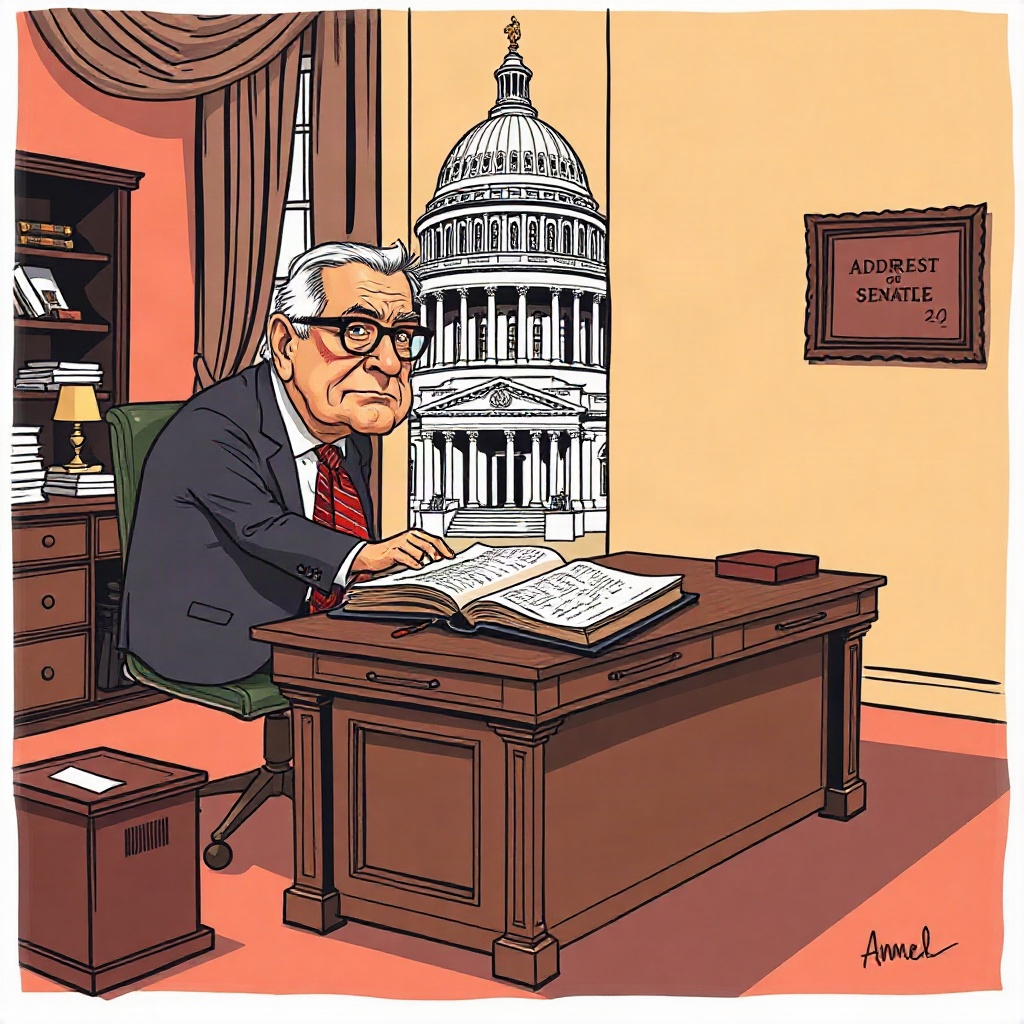
Joseph Lieberman · Former US Senator from Connecticut
In the extensive archival aftermath of the criminal investigations into Jeffrey Epstein, researchers and journalists have combed through thousands of pages of court exhibits, address books, flight manifests, and government disclosure forms to delineate the financier's web of political influence. Among the scores of prominent American political figures whose names appear in Epstein’s personal and professional records is the late Joseph I. Lieberman, a long-serving United States Senator from Connecticut and the Democratic nominee for Vice President of the United States in the 2000 presidential election. An examination of the public record reveals the nature and parameters of Lieberman's presence in Epstein's orbit, demonstrating how Epstein systematically cataloged elite figures while highlighting the critical distinction between verified personal associations and routine political Rolodex entries.
Joseph Lieberman built a decades-long career as one of the most recognizable centrist voices in modern American politics. First elected to the Senate in 1988 after serving as Connecticut's Attorney General, Lieberman achieved national prominence when Vice President Al Gore selected him as his running mate in 2000, making him the first Jewish candidate on a major American party's presidential ticket. Known for his hawkish foreign policy, socially conservative inclinations, and later his status as an independent who caucused with Democrats, Lieberman operated within the highest echelons of Washington and New York political society until his retirement from the Senate in 2013. His prominence made him an inevitable point of interest for an influence-seeker like Epstein, who spent decades attempting to ingratiate himself with powerful lawmakers, diplomats, and business leaders.
Lieberman’s name entered public discussions surrounding Epstein primarily through the financier’s so-called black book, a comprehensive contact directory assembled by Epstein’s administrative assistants in the late 1990s and early 2000s. Originally seized by the Palm Beach Police Department during their 2005 investigation into Epstein and subsequently published by Gawker in 2015, the directory serves as an index of Epstein’s aspirational and actual social network. Within this document, an entry exists under the name Senator Joseph Lieberman, accompanied by standard telephone numbers associated with his official Washington, D.C., Senate office and political staff. Unlike entries for figures known to have maintained intimate social ties with Epstein, the listing for Lieberman lacks private residential phone numbers, personal mobile numbers, or confidential contact details.
Related articles
Jeffrey Epstein and Albert Bryan Jr.
Investigative report examining USVI Governor Albert Bryan Jr.'s administrative and political connections to Jeffrey Epstein and the tax incentives inquiry.
Read article →

Jeffrey Epstein and John de Jongh Jr.
Investigative review of USVI Governor John de Jongh Jr.'s administration, his family's financial ties to Jeffrey Epstein, and state tax exemptions.
Read article →
Jeffrey Epstein and Kenneth Mapp
Investigative report on Jeffrey Epstein's political ties and tax benefits under former U.S. Virgin Islands Governor Kenneth Mapp from 2015 to 2019.
Read article →

Jeffrey Epstein and Stacey Plaskett
Investigative review of public records, FEC filings, and court disclosures detailing the ties between Jeffrey Epstein and USVI Delegate Stacey Plaskett.
Read article →