Jeffrey Epstein &
John Deutch
Former Director, Central Intelligence Agency
Key Facts
Listed in Epstein's personal address book with MIT office and home phone numbers
Documented Contact
Palm Beach Police Evidence Records (2005)
No documented passenger appearances on Epstein's flight manifests
Flight Log Status
Giuffre v. Maxwell Flight Logs
Deutch served as Institute Professor and former Provost at MIT during the era of Epstein's campus patronage
MIT Academic Role
MIT Archives
Zero criminal allegations or civil claims naming Deutch regarding Epstein's abuses
Criminal Implication
SDNY Court Filings
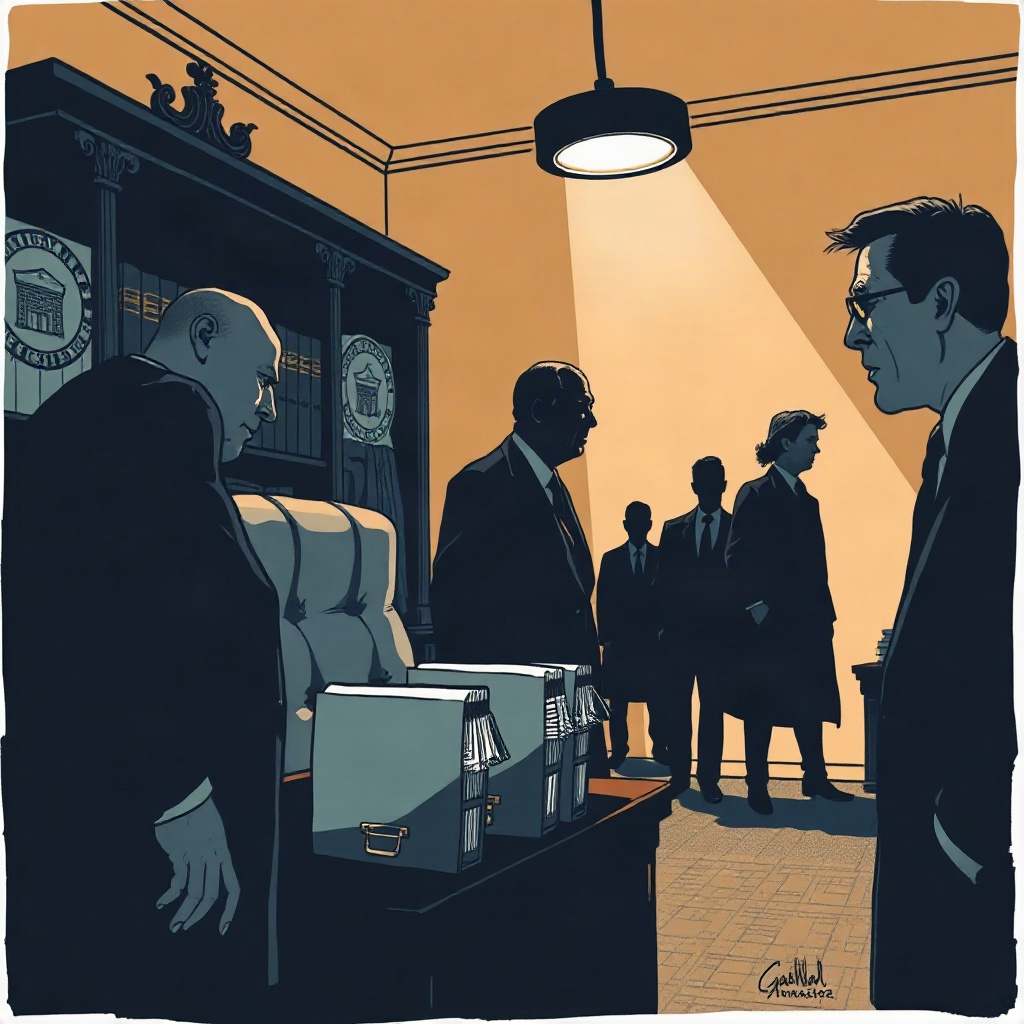
John Deutch · Former Director, Central Intelligence Agency
In the sprawling archives of Jeffrey Epstein’s personal and professional networks, few names reflect the intersection of elite academia and the United States national security establishment as distinctly as John Deutch. A physical chemist by training who rose through the senior ranks of the federal government to become Deputy Secretary of Defense and subsequently Director of Central Intelligence under President Bill Clinton, Deutch spent decades anchoring institutional life at the Massachusetts Institute of Technology. When Epstein’s meticulously curated contacts emerged into public view through investigative leaks and legal disclosures, Deutch was among the prominent figures listed in the financier’s private directories, raising enduring questions about the nature, origin, and depth of their relationship.
Deutch’s career represents a quintessential path within the American post-Cold War foreign policy and defense architecture. After serving as an influential professor and provost at MIT during the 1980s, he joined the Clinton administration in 1993 as Under Secretary of Defense for Acquisition and Technology, later advancing to Deputy Secretary of Defense in 1994. In May 1995, Clinton appointed him to lead the Central Intelligence Agency, a tenure that concluded in December 1996. Deutch’s time at the apex of the intelligence community was later overshadowed by a contentious security scandal involving the retention of classified materials on unsecured personal computers, a matter that culminated in a Department of Justice investigation and a full presidential pardon issued by Clinton on January 20, 2001. Following his government service, Deutch returned to MIT as an Institute Professor, maintaining deep connections to corporate boardrooms, scientific advisory bodies, and think tanks.
The documentary evidence tying Epstein to Deutch stems primarily from Epstein’s pre-2006 personal contact directory, colloquially known as the Little Black Book. This document, originally acquired by Palm Beach investigators after an employee took it from Epstein’s Florida estate, was published in redacted form by Gawker in January 2015 and later entered into the public record through subsequent civil litigation in the Southern District of New York. Within the address book, Deutch appears with specific contact information, including numbers associated with his office at MIT and residential coordinates. Such entries in Epstein’s directory typically denoted individuals with whom Epstein or his staff had direct communication, though the directory famously aggregated both intimate confidants and casual social or institutional acquaintances.
Related articles
Jeffrey Epstein and William J. Burns
Investigative report examining the documented 2014 meetings between CIA Director William J. Burns and Jeffrey Epstein, based on public records.
Read article →

Jeffrey Epstein and Peter Thiel
An investigative examination of Peter Thiel's documented meetings with Jeffrey Epstein based on leaked calendars, flight logs, and public reporting.
Read article →
Jeffrey Epstein and General Wesley Clark
Investigative analysis of retired General Wesley Clark's appearances in Jeffrey Epstein's flight logs, address books, and unsealed court records.
Read article →
Jeffrey Epstein and Douglas Leese
Investigative report on British arms broker Douglas Leese and his late-1980s alliance with Jeffrey Epstein and Towers Financial corporate takeover bids.
Read article →