Key Facts
Congressional oversight and Judiciary Committee inquiries; no personal or financial ties
Nature of Connection
House Judiciary Committee Records
Nadler does not appear in Epstein flight logs or personal contact directories
Flight Logs & Address Book
SDNY Court Exhibits
$0 in recorded donations from Jeffrey Epstein to Nadler's campaigns
Campaign Contributions
Federal Election Commission
Co-authored 23-point oversight letter to the Federal Bureau of Prisons in August 2019
Formal Actions
Congressional Records
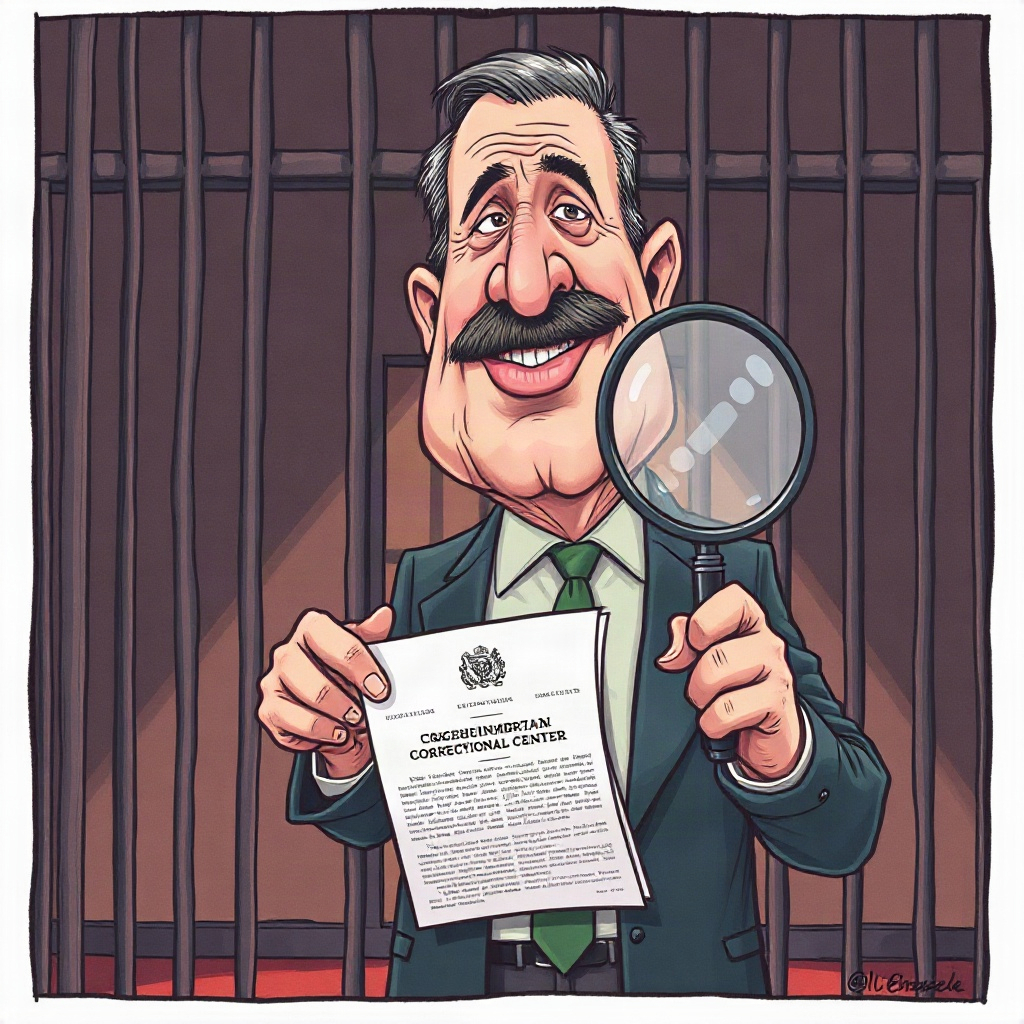
Jerrold Nadler · U.S. Representative for New York
In the sprawling web of political, financial, and legal fallout surrounding Jeffrey Epstein, few figures occupied as prominent a formal investigative position as Representative Jerrold Nadler. A fixture of New York politics for decades, Nadler represented New York’s 10th and later 12th congressional districts, an area encompassing Manhattan’s West Side and parts of Brooklyn. This jurisdiction placed him squarely over the geographical heart of Epstein’s high-society footprint, including the financier’s Upper East Side mansion, the federal courthouse where his criminal cases unfolded, and the Metropolitan Correctional Center where Epstein died in August 2019. However, unlike several high-profile political figures whose associations with Epstein were marked by private flights, campaign donations, or social calendar crossover, Nadler’s relationship with the Epstein saga has existed almost exclusively through the lens of institutional oversight, legislative power, and congressional scrutiny.
Nadler’s direct intersection with the Epstein case accelerated sharply in early 2019, following investigative reporting by the Miami Herald that brought renewed national scrutiny to Epstein’s 2008 federal non-prosecution agreement in Florida. At the time, Nadler had just assumed the chairmanship of the powerful House Committee on the Judiciary following the 2018 midterm elections. The controversial agreement, orchestrated by then-U.S. Attorney Alexander Acosta, had allowed Epstein to plead guilty to state-level prostitution charges, register as a sex offender, and serve a light 13-month jail sentence with liberal work-release privileges, while simultaneously shielding potential co-conspirators from federal prosecution. As calls mounted for an examination of potential Department of Justice misconduct, Nadler utilized his committee post to demand answers regarding whether the federal government had improperly protected Epstein from serious consequence.
In February 2019, Nadler joined other Democratic leaders in demanding a formal investigation into the Department of Justice’s handling of the 2008 plea bargain. In letters directed to the Department of Justice’s Office of Professional Responsibility, the House Judiciary Committee sought internal communications and documentation detailing why federal prosecutors in the Southern District of Florida had departed so significantly from standard charging guidelines and failed to adequately inform Epstein’s victims, a requirement under the Crime Victims' Rights Act. When Acosta, then serving as Secretary of Labor in the Trump administration, faced mounting pressure to resign, Nadler maintained that personal departures did not absolve the executive branch of institutional transparency, pressing for full archival releases regarding the decision-making process that permitted Epstein a decade of renewed freedom.
Related articles
Jeffrey Epstein and Albert Bryan Jr.
Investigative report examining USVI Governor Albert Bryan Jr.'s administrative and political connections to Jeffrey Epstein and the tax incentives inquiry.
Read article →
Jeffrey Epstein and John de Jongh Jr.
Investigative review of USVI Governor John de Jongh Jr.'s administration, his family's financial ties to Jeffrey Epstein, and state tax exemptions.
Read article →
Jeffrey Epstein and Kenneth Mapp
Investigative report on Jeffrey Epstein's political ties and tax benefits under former U.S. Virgin Islands Governor Kenneth Mapp from 2015 to 2019.
Read article →
Jeffrey Epstein and Stacey Plaskett
Investigative review of public records, FEC filings, and court disclosures detailing the ties between Jeffrey Epstein and USVI Delegate Stacey Plaskett.
Read article →