Key Facts
U.S. Senator from New Mexico serving 1983 to 2013
Political Role
Official Congressional Directory
$1,000 recorded in federal campaign filings to Bingaman's campaign
Documented Donations
Federal Election Commission Records
Name does not appear on any released Epstein pilot manifests
Flight Log Status
David Rodgers Flight Manifests
Official Senate office and switchboard telephone numbers
Rolodex Listing
Epstein Address Book (SDNY Court Exhibits)
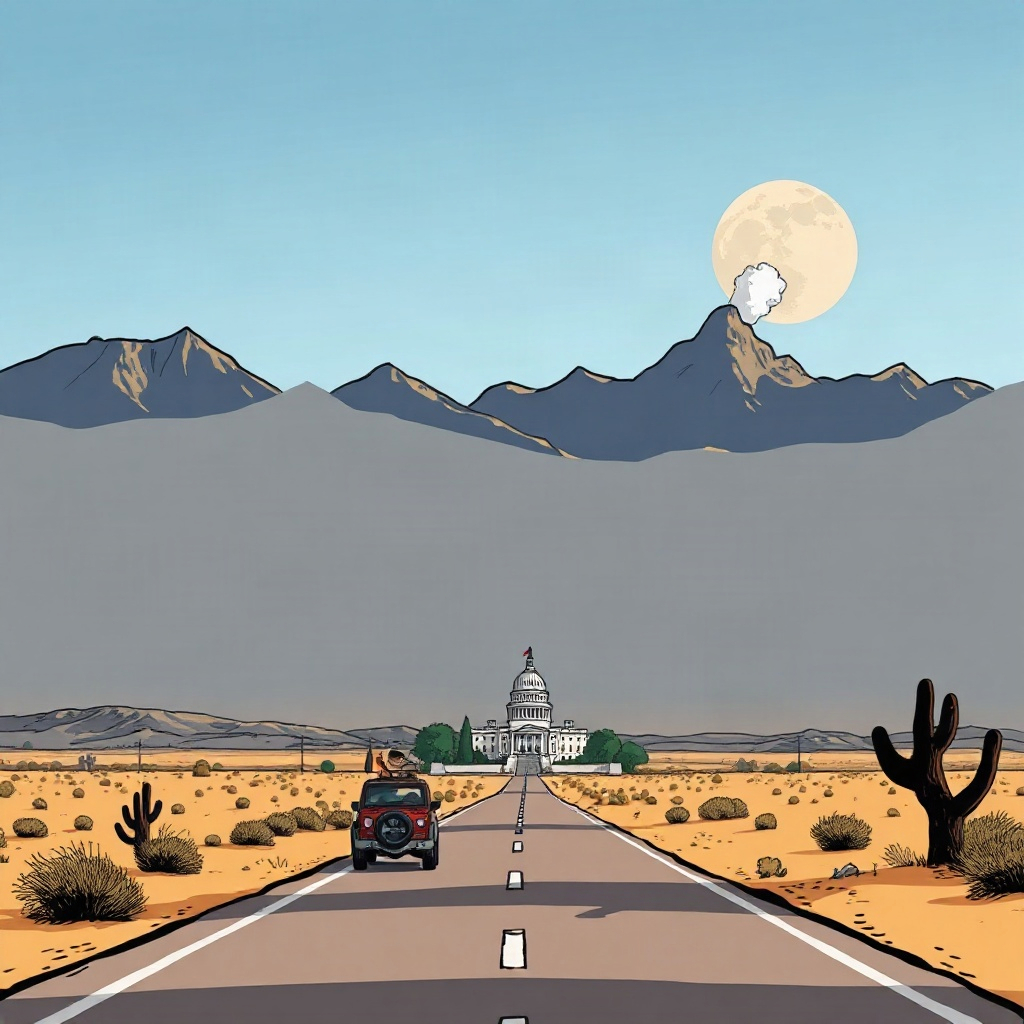
Jeff Bingaman · Former US Senator from New Mexico
For nearly two decades, the sprawling high-desert expanse of Santa Fe County served as Jeffrey Epstein's private kingdom in the American Southwest. Acquired in 1993 from the family of former New Mexico Governor Bruce King, the ten-thousand-acre Zorro Ranch near Stanley became a focal point of both Epstein's reclusive lifestyle and his systematic efforts to cultivate political influence across the state. In the wake of Epstein's July 2019 arrest by federal prosecutors in New York, investigative reporters and law enforcement officials initiated a comprehensive audit of Epstein's connections to prominent New Mexico public figures. Among the high-profile names preserved in public archives, campaign finance ledgers, and contact directories was Jeff Bingaman, the soft-spoken Democrat who represented New Mexico in the United States Senate for three decades, serving from 1983 until his retirement in 2013.
Bingaman built a reputation throughout his long career as an understated, policy-driven lawmaker whose demeanor stood in stark contrast to the flamboyant lifestyle cultivated by Epstein. As longtime chairman of the Senate Energy and Natural Resources Committee, Bingaman wielded substantial influence over public lands, energy infrastructure, and federal appointments in New Mexico. Epstein, whose strategy relied heavily on proximity to state and national figures who could confer legitimacy or insulate his private endeavors from regulatory scrutiny, routinely sought inroads with federal lawmakers representing jurisdictions where he owned substantial real estate. In New Mexico, Epstein moved effortlessly through philanthropic and academic circles, funding research at the Santa Fe Institute and distributing donations across the state's political establishment.
The documentary record establishing an intersection between Bingaman and Epstein centers primarily on campaign finance databases and private contact directories. According to public Federal Election Commission filings, Epstein made direct contributions to Bingaman's re-election efforts during his tenure in the Senate. Specifically, filings indicate that Epstein contributed one thousand dollars to Friends of Jeff Bingaman in the late 1990s, listing his occupation as a financial manager and citing his New York business address. Campaign contributions of this magnitude were commonplace for federal incumbents, and political analysts have noted that Epstein distributed similar sums to a wide array of Democratic and Republican officials across the country during the same era, casting a wide net across the federal landscape.
Related articles
Jeffrey Epstein and Albert Bryan Jr.
Investigative report examining USVI Governor Albert Bryan Jr.'s administrative and political connections to Jeffrey Epstein and the tax incentives inquiry.
Read article →
Jeffrey Epstein and John de Jongh Jr.
Investigative review of USVI Governor John de Jongh Jr.'s administration, his family's financial ties to Jeffrey Epstein, and state tax exemptions.
Read article →
Jeffrey Epstein and Kenneth Mapp
Investigative report on Jeffrey Epstein's political ties and tax benefits under former U.S. Virgin Islands Governor Kenneth Mapp from 2015 to 2019.
Read article →
Jeffrey Epstein and Stacey Plaskett
Investigative review of public records, FEC filings, and court disclosures detailing the ties between Jeffrey Epstein and USVI Delegate Stacey Plaskett.
Read article →