Jeffrey Epstein &
James Woolsey
Former Director of Central Intelligence
Key Facts
Director of Central Intelligence (CIA Director), 1993–1995
Official Capacity
Central Intelligence Agency Historical Records
Listed in Epstein's personal contact directory ('Black Book')
Documentary Occurrence
SDNY Court Exhibits
No documented passenger entries on Epstein's primary private aircraft
Flight Log Evidence
Maxwell Trial Flight Logs Exhibit
Never accused or implicated in any wrongdoing related to Epstein
Legal Status
U.S. Department of Justice
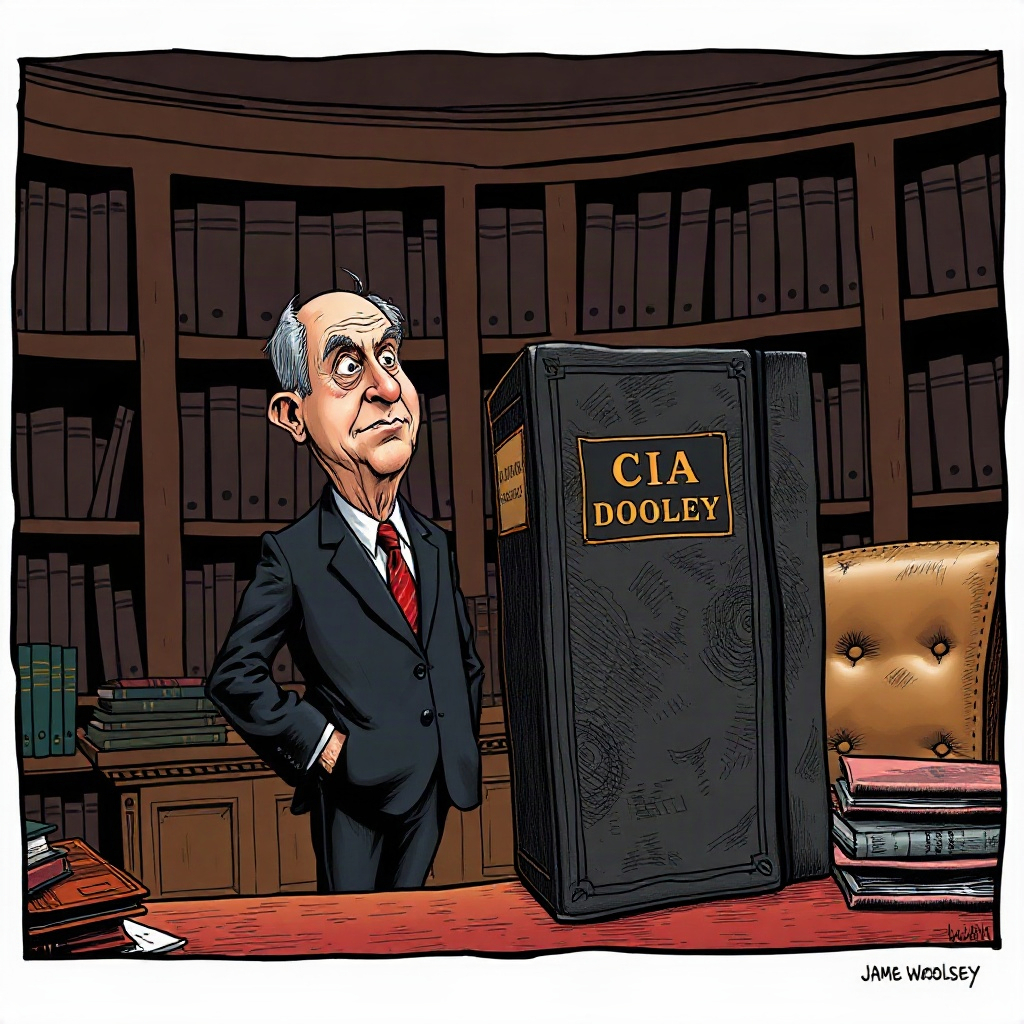
James Woolsey · Former Director of Central Intelligence
Throughout his decades of social climbing and financial maneuvering, Jeffrey Epstein exhibited a distinct fixation on figures from the upper echelons of international diplomacy and the United States national security apparatus. Among the senior intelligence officials whose names surfaced within the financier’s private records is R. James Woolsey Jr., who served as the Director of Central Intelligence under President Bill Clinton from February 1993 to January 1995. The nature of Epstein’s ties to Woolsey, like many of his connections to Washington defense intellectuals, illustrates how the convicted sex offender systematically cultivated relationships with individuals possessing foreign policy pedigree to elevate his own stature and construct an aura of untouchable geopolitical relevance.
Woolsey entered the American defense establishment long before his name appeared in Epstein’s files. A Rhodes Scholar and Yale Law School graduate, Woolsey held prominent national security appointments across multiple presidential administrations, including serving as an under secretary of the Navy during the Carter administration and as a key arms control negotiator under President George H.W. Bush. After his brief and frequently contentious tenure leading the Central Intelligence Agency in the early Clinton years, Woolsey transitioned into private security consulting, corporate governance, and influential neoconservative think tanks, eventually advising Donald Trump’s presidential transition team in late 2016. It was during this post-government phase, when Woolsey operated at the intersection of private equity, energy security, and defense consultancy, that he emerged on Epstein’s social and operational radar.
The principal documentary link connecting Woolsey to Epstein exists in Epstein’s personal address directory, commonly referred to as the black book, which was compiled by his longtime staff and entered into public discourse following a leak published in 2015 and subsequent incorporation into federal court records. Woolsey’s entry includes professional and direct contact numbers, documenting Epstein’s intention to keep the former intelligence chief within accessible reach. The inclusion of an individual in Epstein’s contact directory does not, on its own, constitute evidence of illicit activity or deep intimacy; rather, investigative reporting and former household staff testimonies have demonstrated that the book functioned as a compendium of high-value targets, business acquaintances, donors, and academic contacts accumulated over years of elite networking.
Related articles
Jeffrey Epstein and William J. Burns
Investigative report examining the documented 2014 meetings between CIA Director William J. Burns and Jeffrey Epstein, based on public records.
Read article →

Jeffrey Epstein and Peter Thiel
An investigative examination of Peter Thiel's documented meetings with Jeffrey Epstein based on leaked calendars, flight logs, and public reporting.
Read article →
Jeffrey Epstein and General Wesley Clark
Investigative analysis of retired General Wesley Clark's appearances in Jeffrey Epstein's flight logs, address books, and unsealed court records.
Read article →
Jeffrey Epstein and Douglas Leese
Investigative report on British arms broker Douglas Leese and his late-1980s alliance with Jeffrey Epstein and Towers Financial corporate takeover bids.
Read article →