Jeffrey Epstein &
James G. Rickards
Economist and national security advisor
Key Facts
External commentator and analyst; no personal or business relationship
Nature of Relationship
Public Record and Court Dockets
None
Appearance in Epstein Black Book
Epstein Contact Directory Evidence Exhibits
Zero appearances
Flight Log Mentions
Unsealed Flight Manifests, Giuffre v. Maxwell
Critique of Epstein's wealth opacity and potential intelligence ties
Rickards Primary Focus
Financial Media Interviews (2019-2020)
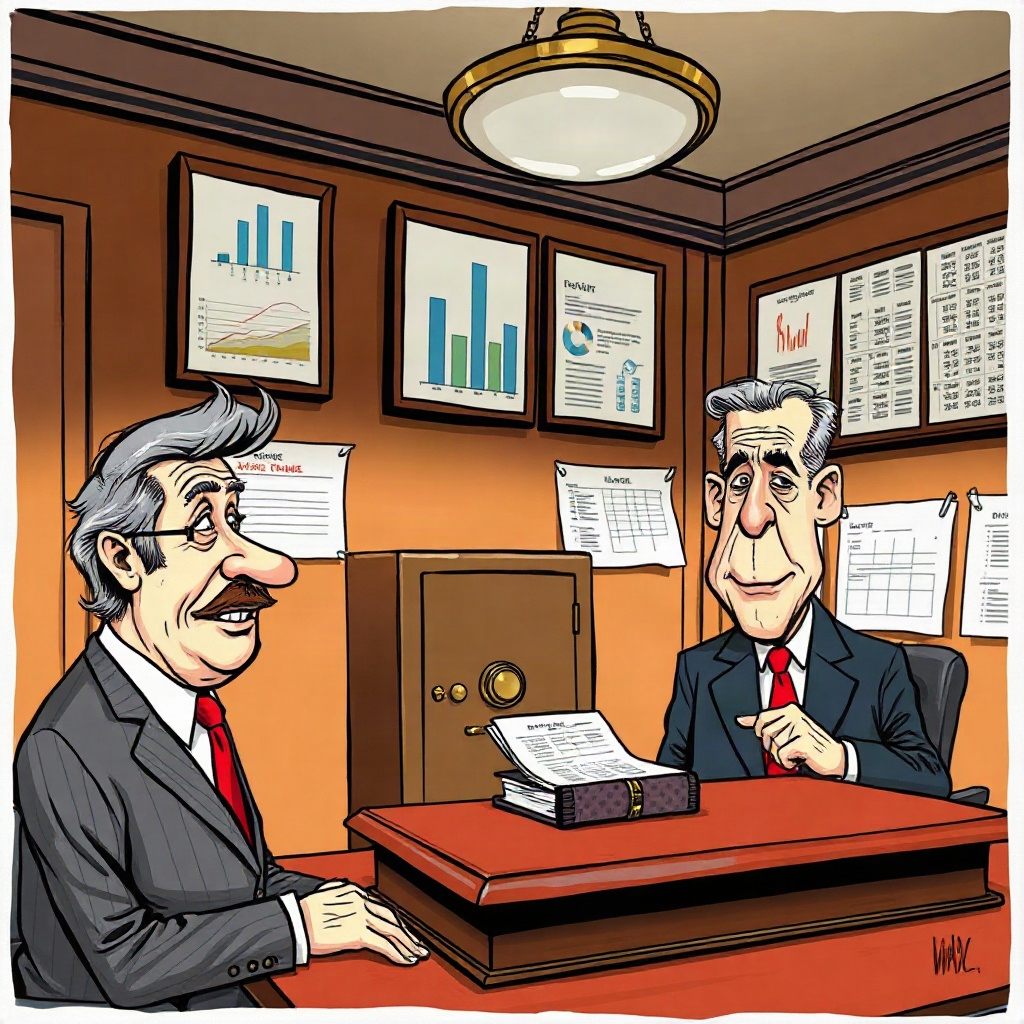
James G. Rickards · Economist and national security advisor
James G. Rickards emerged over decades as a distinctive figure within the intersection of global finance, corporate law, and the national security apparatus. Trained as an attorney and economist, Rickards spent critical years on Wall Street serving as general counsel for Long-Term Capital Management during its historic 1998 collapse and subsequent federally coordinated bailout. He later advised U.S. intelligence agencies, the Department of Defense, and the Committee on Foreign Investment in the United States on financial threat asymmetric warfare. Because of Rickards's dual standing as an insider to bespoke financial structures and a consultant to intelligence entities, researchers and investigative journalists tracking the Jeffrey Epstein scandal have frequently examined Rickards's footprint to determine whether professional, transactional, or personal overlaps existed between the two men.
The global network curated by Jeffrey Epstein relied heavily on high-level financial institutions, private wealth managers, and figures who inhabited elite legal and economic corridors. Epstein cultivated relationships with financiers, academics, politicians, and intelligence officials, utilizing sophisticated trust structures, offshore vehicles, and private advisory services to mask his transactions. Given Rickards's prominence in hedge fund risk architecture and sovereign financial systems during the 1990s and 2000s, investigators cross-referenced public archives, flight logs, court dockets, and evidentiary tranches released by the United States District Court for the Southern District of New York to establish what role, if any, Rickards played in Epstein’s financial machinery.
A rigorous examination of primary source records demonstrates a stark absence of transactional or social links between Rickards and Epstein. The unredacted flight logs released in civil litigation, spanning Epstein’s private aircraft from the late 1990s through the mid-2010s, contain no record of Rickards as a passenger. Furthermore, the 97-page personal contact directory seized during investigations—widely referred to as Epstein’s black book—does not list Rickards, his immediate corporate entities, or his personal contact information. Similarly, the tens of thousands of pages unsealed across the civil lawsuit Virginia Giuffre v. Ghislaine Maxwell and the criminal discovery records in United States v. Jeffrey Epstein and United States v. Ghislaine Maxwell yield no evidence that Rickards was retained, consulted, or personally acquainted with Epstein or his inner circle.
Related articles
Jeffrey Epstein and William J. Burns
Investigative report examining the documented 2014 meetings between CIA Director William J. Burns and Jeffrey Epstein, based on public records.
Read article →

Jeffrey Epstein and Peter Thiel
An investigative examination of Peter Thiel's documented meetings with Jeffrey Epstein based on leaked calendars, flight logs, and public reporting.
Read article →

Jeffrey Epstein and General Wesley Clark
Investigative analysis of retired General Wesley Clark's appearances in Jeffrey Epstein's flight logs, address books, and unsealed court records.
Read article →
Jeffrey Epstein and Douglas Leese
Investigative report on British arms broker Douglas Leese and his late-1980s alliance with Jeffrey Epstein and Towers Financial corporate takeover bids.
Read article →