Key Facts
Listed in Epstein's address directory with state office contact numbers
Documented Entry
Epstein 'Little Black Book' Court Exhibit
Zero recorded flights aboard Epstein's aircraft
Flight Log Records
U.S. v. Maxwell Flight Logs
No criminal or civil accusations made by survivors or law enforcement
Allegations of Misconduct
SDNY Court Dockets
Served as California governor from 1999 to 2003
Gubernatorial Tenure
California State Archives
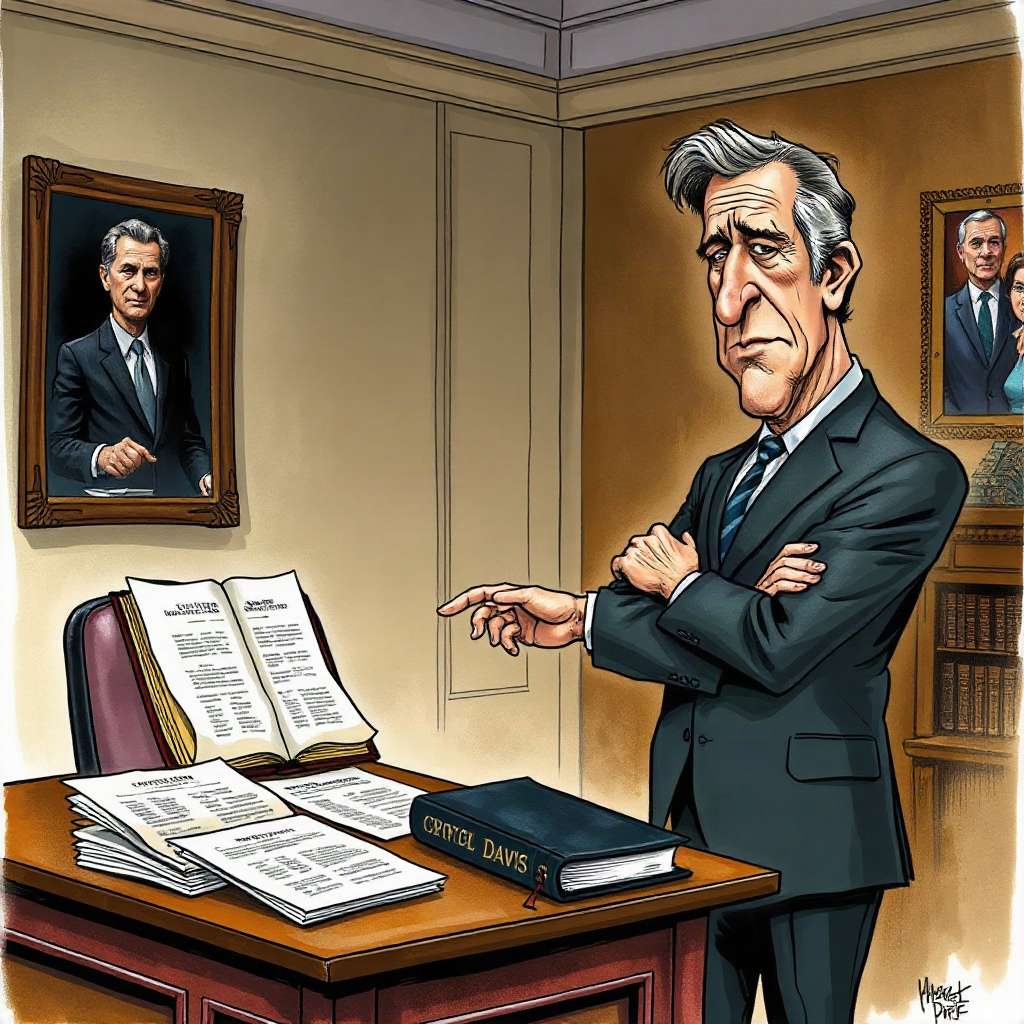
Gray Davis · Former Governor of California
In the sprawling archive of materials seized, subpoenaed, and unsealed throughout the multi-decade investigation into Jeffrey Epstein, few categories of documents have generated as much enduring scrutiny as the financier's personal contact directories. Among the hundreds of political figures, financiers, and international dignitaries cataloged within Epstein’s infamous ninety-seven-page bound address directory—colloquially termed the little black book—is Joseph Graham Davis Jr., better known as Gray Davis, the thirty-seventh governor of California. The inclusion of high-profile elected officials within Epstein’s records has consistently raised questions regarding how the convicted sex offender cultivated political influence, what access he sought, and the precise nature of his interactions with state executives during the late 1990s and early 2000s.
Gray Davis served as the governor of California from January 1999 until November 2003, concluding his tenure following a historic recall election that brought Arnold Schwarzenegger into office. Prior to his governorship, Davis was a fixture of California Democratic politics for decades, serving as chief of staff to Governor Jerry Brown, state assemblyman, state controller, and lieutenant governor. As governor of the world’s fifth-largest economy, Davis presided over an administration marked by aggressive political fundraising, complex energy crises, and continuous interaction with prominent national donors, corporate executives, and philanthropic figures. It was during this zenith of his political career that his details were recorded inside Epstein’s Rolodex.
Epstein’s contact books first came into official law enforcement custody following the 2005–2006 investigation by the Palm Beach Police Department, after a former household employee, Alfredo Rodriguez, attempted to sell a copy of the financier’s private telephone register. The document was later entered into federal court dockets as an exhibit in civil litigation, most notably Virginia Giuffre v. Ghislaine Maxwell in the United States District Court for the Southern District of New York, before circulating widely in the public domain. Within these records, Davis was listed alongside multiple office contact numbers and administrative channels corresponding to his time in California state executive leadership. Unlike certain intimate associates whose personal home addresses, emergency lines, and private pager numbers filled the directory, the entry for Davis primarily documented professional gubernatorial touchpoints.
Related articles
Jeffrey Epstein and Albert Bryan Jr.
Investigative report examining USVI Governor Albert Bryan Jr.'s administrative and political connections to Jeffrey Epstein and the tax incentives inquiry.
Read article →
Jeffrey Epstein and John de Jongh Jr.
Investigative review of USVI Governor John de Jongh Jr.'s administration, his family's financial ties to Jeffrey Epstein, and state tax exemptions.
Read article →
Jeffrey Epstein and Kenneth Mapp
Investigative report on Jeffrey Epstein's political ties and tax benefits under former U.S. Virgin Islands Governor Kenneth Mapp from 2015 to 2019.
Read article →

Jeffrey Epstein and Stacey Plaskett
Investigative review of public records, FEC filings, and court disclosures detailing the ties between Jeffrey Epstein and USVI Delegate Stacey Plaskett.
Read article →