Jeffrey Epstein &
Episcopal Diocese of the Virgin Islands
Diocese of the Episcopal Church
Key Facts
Episcopal Diocese of the Virgin Islands (headquartered in Charlotte Amalie, Saint Thomas)
Jurisdiction
Diocesan Public Records
Gratitude America Ltd. and C.O.U.Q. Foundation
Primary Funding Vehicles
IRS Form 990-PF Disclosures
Mandatory civic contribution quotas enforced by the USVI Economic Development Commission (EDC)
Regulatory Motivation
USVI Economic Development Authority
Subject to civil discovery during territorial racketeering litigation against the Epstein estate
Legal Scrutiny
USVI Department of Justice (2020)
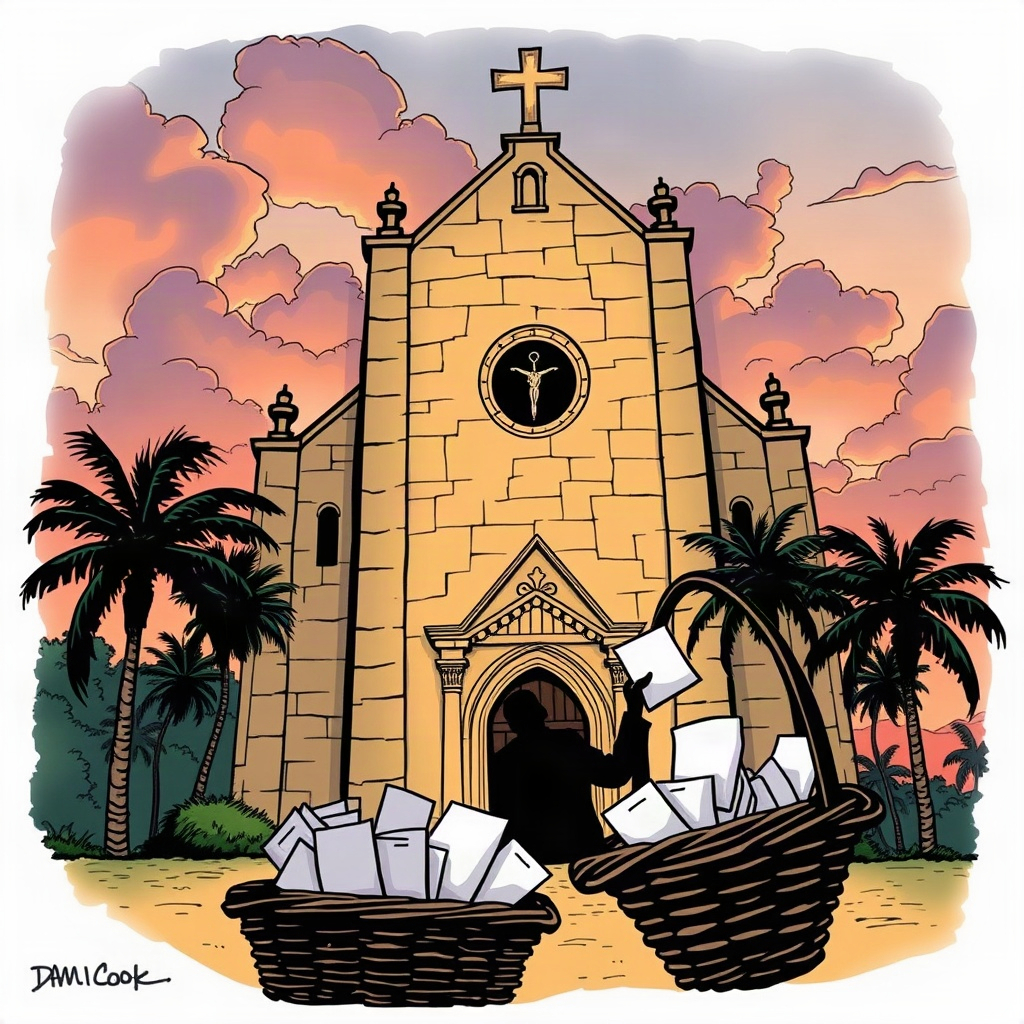
Episcopal Diocese of the Virgin Islands · Diocese of the Episcopal Church
For more than two decades, the United States Virgin Islands served as both a private sanctuary and an operational base for Jeffrey Epstein. While his compound on Little Saint James provided seclusion, Epstein understood that operating in an insular island territory required cultivating goodwill among influential civic, educational, and religious institutions. Among the established institutions embedded in the social fabric of the territory is the Episcopal Diocese of the Virgin Islands, a historic ecclesiastical jurisdiction spanning both the American and British Virgin Islands, headquartered in Charlotte Amalie on Saint Thomas. In the wake of Epstein’s July 2019 arrest and subsequent death, investigative journalists, federal prosecutors, and the Virgin Islands Department of Justice began unraveling the extensive philanthropic web the financier used to embed himself into the territory's community.
The Episcopal Diocese of the Virgin Islands traces its roots back centuries, encompassing venerable parish churches such as the Cathedral Church of All Saints on Saint Thomas and Saint John’s Episcopal Church on Saint Croix. Beyond strictly spiritual ministry, the diocese and its affiliated parishes long oversaw significant educational and community operations, including the All Saints Cathedral School in Charlotte Amalie. In an island economy historically constrained by limited resources, major infrastructure and educational initiatives often relied on donations from wealthy mainland transplants and corporate benefactors. Epstein, who utilized the territory’s Economic Development Commission tax incentive program to shelter immense wealth through entities like Southern Trust Company, actively sought opportunities to distribute philanthropic capital across local organizations.
Publicly available tax filings, specifically Internal Revenue Service Form 990-PF filings from Epstein’s private charitable foundations—including Gratitude America Ltd., the C.O.U.Q. Foundation, and the J. Epstein Virgin Islands Foundation—reveal a pattern of calculated, fragmented charitable donations across the Virgin Islands. These records, examined by forensic accountants and investigative reporters following his death, demonstrated that Epstein directed millions of dollars toward territorial civic initiatives, youth organizations, law enforcement athletic leagues, and religious groups. Among these records were modest donations and discretionary grants earmarked for community programs, building preservation projects, and school activities linked to regional religious entities, including Episcopal-affiliated programs and historic church preservation funds in the Charlotte Amalie historic district.
Related articles
Jeffrey Epstein and Wexner Heritage Program
Investigative report on Jeffrey Epstein's fiduciary authority, financial control, and institutional ties to the Wexner Heritage Program.
Read article →
Jeffrey Epstein and Bishop Marcelo Sánchez Sorondo
Investigative report examining Jeffrey Epstein's documented meetings and calendar appointments with Vatican Chancellor Bishop Marcelo Sánchez Sorondo.
Read article →
Jeffrey Epstein and Cardinal Angelo Becciu
An investigative review examining alleged links, financial overlaps, and public records connecting Cardinal Angelo Becciu to Jeffrey Epstein.
Read article →
Jeffrey Epstein and Cardinal Theodore McCarrick
Investigative analysis of the alleged ties and documented parallels between Jeffrey Epstein and defrocked Catholic Cardinal Theodore McCarrick.
Read article →