Jeffrey Epstein &
Charlie Crist
Former Governor of Florida
Key Facts
$500 contribution from Jeffrey Epstein to Crist's 2002 Attorney General campaign
Documented Campaign Contribution
Florida Division of Elections
No executive order issued to appoint a special prosecutor or supersede local jurisdiction
Gubernatorial Oversight Action
Florida Executive Office of the Governor Records
Charlie Crist does not appear on any disclosed flight manifests for Epstein's aircraft
Flight Log Status
SDNY Court Exhibits
Crist is not listed in Jeffrey Epstein's personal address books
Personal Contact Index Status
Public Record Exhibits
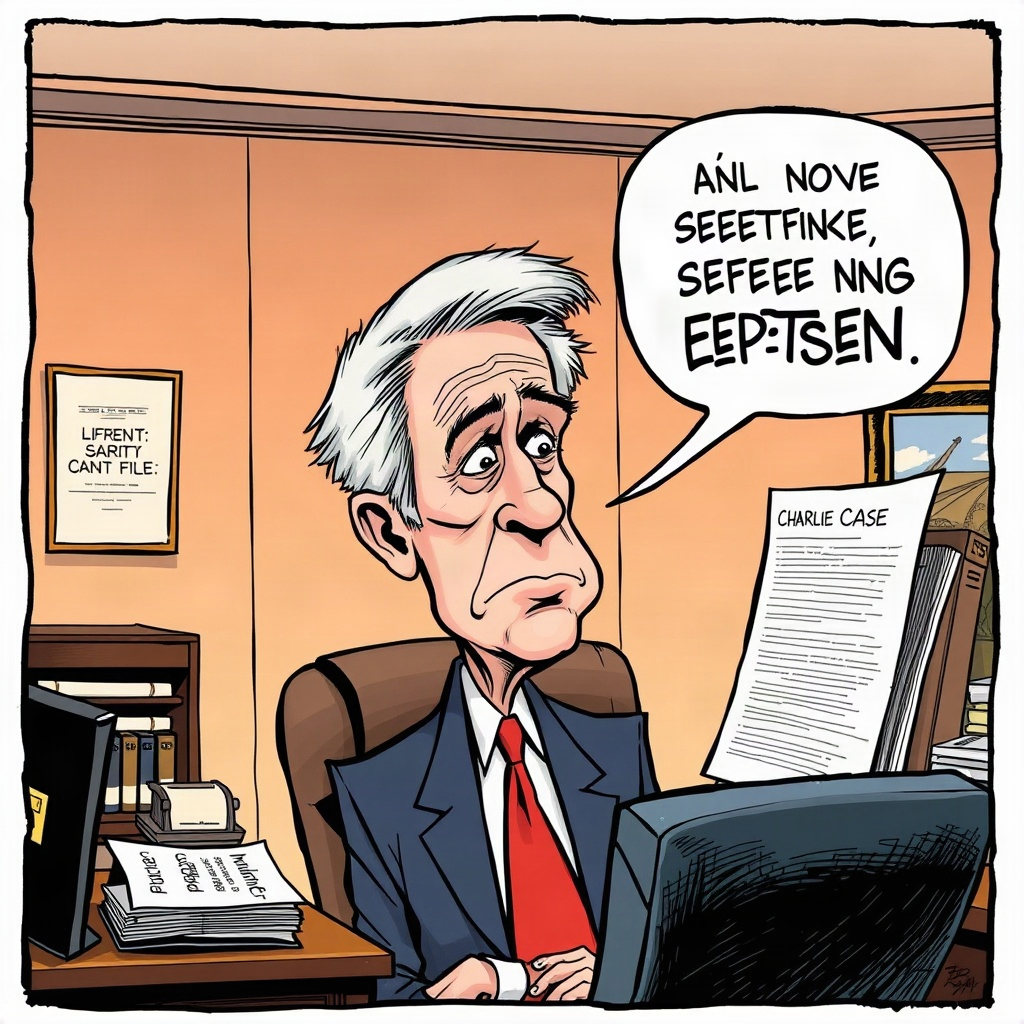
Charlie Crist · Former Governor of Florida
Charlie Crist has occupied a central position in Florida politics for more than three decades, serving successively as state senator, education commissioner, attorney general from 2003 to 2007, the state's 44th governor from 2007 to 2011, and later as a Democratic member of the United States House of Representatives. Because his tenures as Florida Attorney General and Governor coincided precisely with the emergence, investigation, and controversial state-level resolution of Jeffrey Epstein’s sex crimes in Palm Beach, Crist’s administration has faced recurring retrospective scrutiny. Investigative reporters and legal analysts have repeatedly examined public records to assess whether Florida’s executive branch exerted oversight, ignored red flags, or benefited financially from the financier during a period marked by unprecedented prosecutorial leniency.
The earliest verifiable point of contact between Epstein and Crist exists within Florida campaign finance filings. According to records maintained by the Florida Department of State Division of Elections, Epstein contributed to Crist’s 2002 campaign for Florida Attorney General. While modest—amounting to a standard statutory contribution of five hundred dollars—the donation reflected Epstein’s routine pattern of courting high-ranking officials in the state where he maintained his primary residence. Epstein and his corporate entities frequently directed financial contributions across the Florida political spectrum, cultivating influence among municipal, county, and state officials. Following Epstein’s 2006 arrest and subsequent public exposure, Crist’s campaign operations, like those of numerous other Florida politicians, faced inquiries regarding the disposition of Epstein-linked funds, leading campaign representatives to emphasize that such contributions were received before Epstein’s predatory activities became matters of public record.
Beyond campaign finance, the primary area of historical inquiry centers on the jurisdictional posture of the Florida state government during the Palm Beach Police Department’s investigation between 2005 and 2007. Led by Police Chief Michael Reiter and Detective Joseph Recarey, the Palm Beach police meticulously built a felony case documenting Epstein’s systemic abuse of minor girls at his El Brillo Way estate. Despite the wealth of corroborating witness testimony and physical evidence recovered via search warrants, local State Attorney Barry Krischer resisted pursuing an aggressive, multi-count indictment, choosing instead to refer the matter to a county grand jury on severely limited charges. Chief Reiter publicly and privately voiced frustration over the local state attorney’s reluctance, prompting legal observers to question why state authorities did not intervene.
Related articles
Jeffrey Epstein and Albert Bryan Jr.
Investigative report examining USVI Governor Albert Bryan Jr.'s administrative and political connections to Jeffrey Epstein and the tax incentives inquiry.
Read article →
Jeffrey Epstein and John de Jongh Jr.
Investigative review of USVI Governor John de Jongh Jr.'s administration, his family's financial ties to Jeffrey Epstein, and state tax exemptions.
Read article →
Jeffrey Epstein and Kenneth Mapp
Investigative report on Jeffrey Epstein's political ties and tax benefits under former U.S. Virgin Islands Governor Kenneth Mapp from 2015 to 2019.
Read article →
Jeffrey Epstein and Stacey Plaskett
Investigative review of public records, FEC filings, and court disclosures detailing the ties between Jeffrey Epstein and USVI Delegate Stacey Plaskett.
Read article →