Jeffrey Epstein &
Charles Rangel
Former US Representative from New York
Key Facts
$1,000 to Charles Rangel's reelection campaign in 1999
Documented Campaign Donations
Federal Election Commission (FEC)
Zero recorded flights on Epstein's aircraft
Flight Log Presence
Flight Manifest Exhibits, SDNY
Contains Washington D.C. congressional office contact details
Address Book Listing
Palm Beach Police Evidence Records
None reported in court filings or victim testimonies
Allegations of Misconduct
Giuffre v. Maxwell Dockets
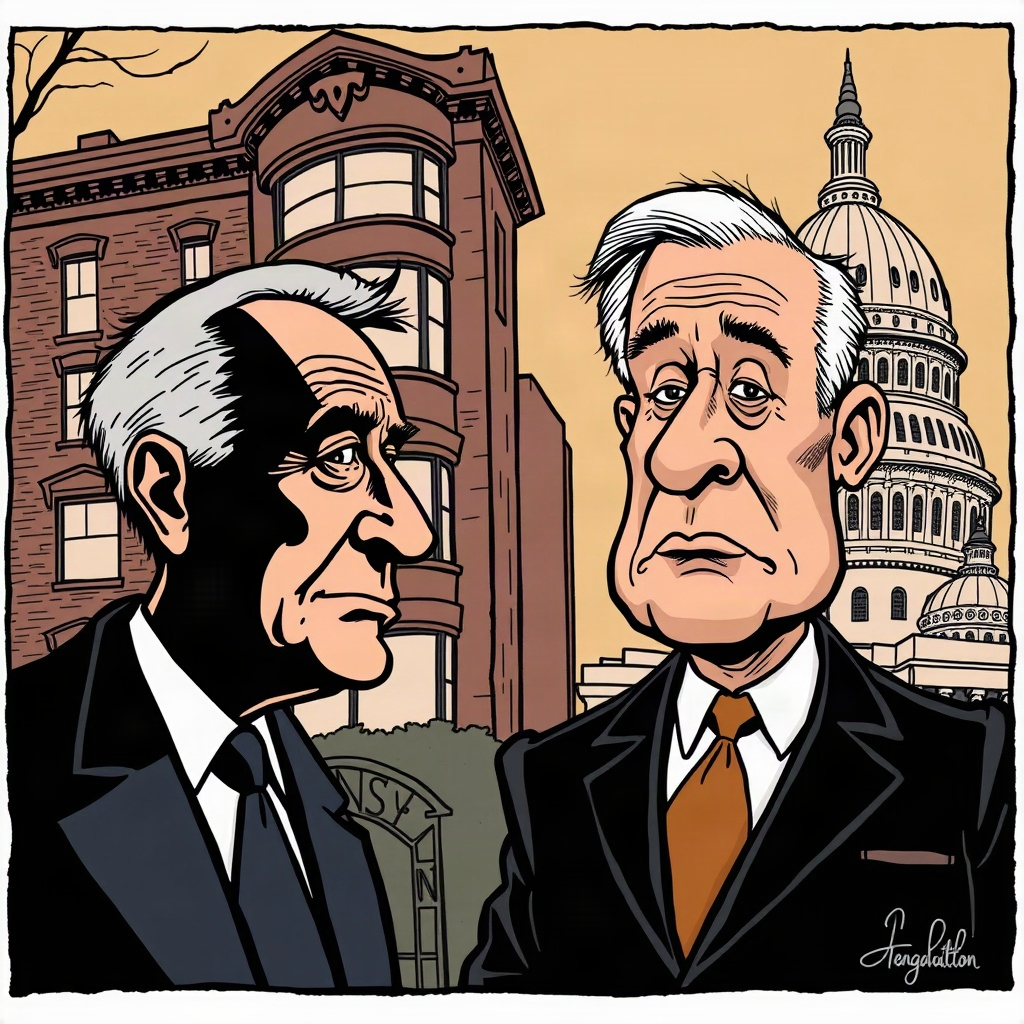
Charles Rangel · Former US Representative from New York
For nearly five decades, Charles B. Rangel stood as an undisputed titan of New York politics. Representing Harlem and upper Manhattan in the United States House of Representatives from 1971 until his retirement in 2017, Rangel co-founded the Congressional Black Caucus and ultimately ascended to the chairmanship of the House Committee on Ways and Means, one of the most powerful tax-writing bodies in the federal government. Operating from his Upper East Side townhouse, financier Jeffrey Epstein systematically sought out proximity to the political establishment of New York. In the decades following Epstein's initial 2006 arrest and his subsequent 2019 federal indictment, investigative journalists, legal teams, and public-interest researchers combed through flight manifests, court dockets, and financial filings to document the reach of his Rolodex. Among the prominent New York figures whose names surfaced across these public archives was Congressman Rangel.
The earliest verifiable intersections between Jeffrey Epstein and Charles Rangel appear in Federal Election Commission records dating to the late 1990s. During this era, Epstein was cultivating a public persona as an enigmatic, ultra-wealthy hedge fund manager and philanthropic patron of scientific and civic causes. Campaign finance disclosures maintained by the FEC demonstrate that Epstein contributed to Rangel’s federal campaign apparatus, including a documented $1,000 contribution in October 1999 directed toward Rangel’s reelection committee, alongside donations to the National Leadership PAC, a political action committee closely affiliated with Rangel’s legislative coalition. Such political contributions were not unique to Rangel; Epstein dispersed thousands of dollars across the New York congressional delegation and national political figures of both major parties during the late 1990s and early 2000s, utilizing targeted donations to establish access and influence within Manhattan's political hierarchy.
Related articles
Jeffrey Epstein and Albert Bryan Jr.
Investigative report examining USVI Governor Albert Bryan Jr.'s administrative and political connections to Jeffrey Epstein and the tax incentives inquiry.
Read article →
Jeffrey Epstein and John de Jongh Jr.
Investigative review of USVI Governor John de Jongh Jr.'s administration, his family's financial ties to Jeffrey Epstein, and state tax exemptions.
Read article →
Jeffrey Epstein and Kenneth Mapp
Investigative report on Jeffrey Epstein's political ties and tax benefits under former U.S. Virgin Islands Governor Kenneth Mapp from 2015 to 2019.
Read article →
Jeffrey Epstein and Stacey Plaskett
Investigative review of public records, FEC filings, and court disclosures detailing the ties between Jeffrey Epstein and USVI Delegate Stacey Plaskett.
Read article →