Jeffrey Epstein &
Chabad of Palm Beach
Synagogue, Chabad-Lubavitch movement
Key Facts
Charitable donations recorded on IRS Form 990-PF filings
Nature of Documented Ties
IRS Public Disclosures
C.O.U.Q. Foundation and Gratitude America Ltd.
Epstein Foundation Vehicles
IRS Form 990-PF Filings
No police or federal records indicate local clergy were aware of or complicit in abuse
Investigative Findings
Palm Beach Police Department Reports
Local Chabad leadership numbers appeared in Epstein's master contact books alongside thousands of contacts
Contact Directory Evidence
Palm Beach Police Evidence Records
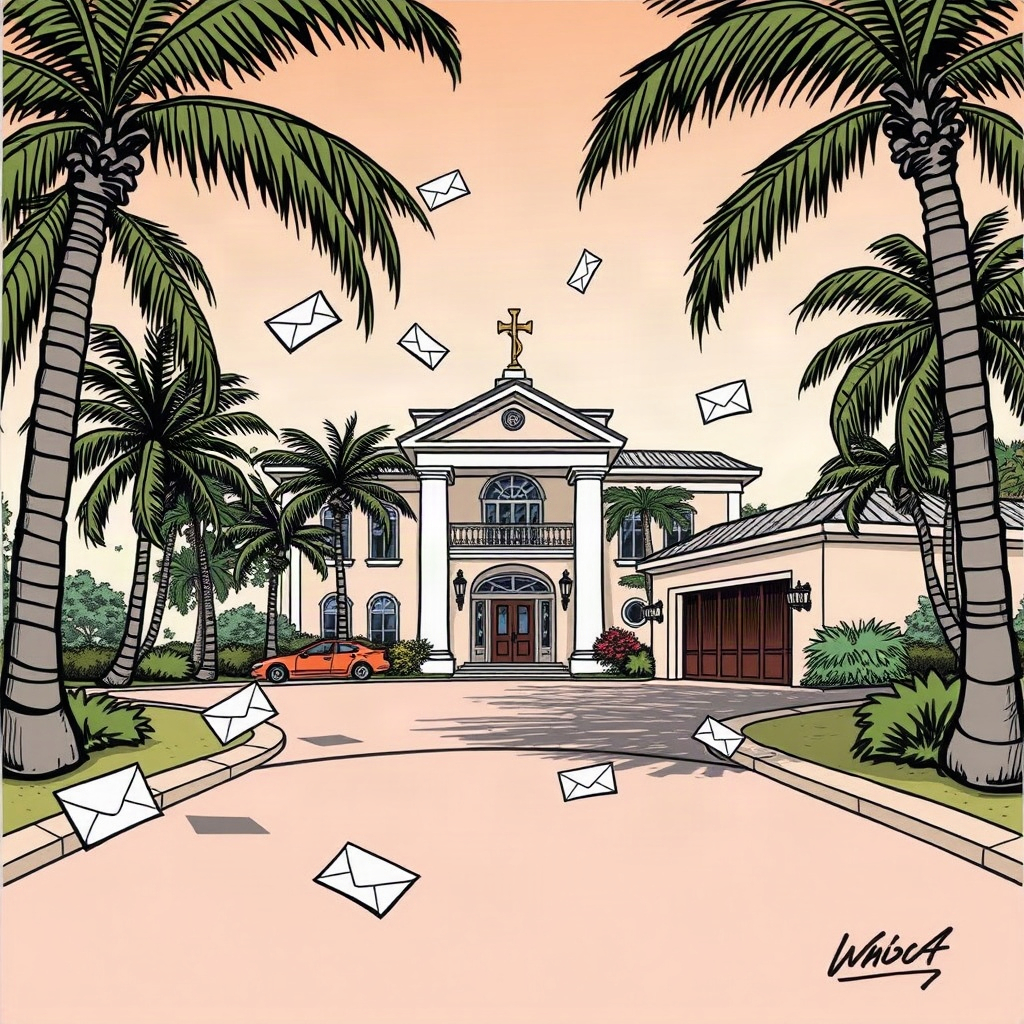
Chabad of Palm Beach · Synagogue, Chabad-Lubavitch movement
For decades, the ultra-wealthy enclave of Palm Beach, Florida, served as one of Jeffrey Epstein’s primary operational bases. From his waterfront compound at 358 El Brillo Way, Epstein cultivated an image of eccentric sophistication, embedding himself into the social and philanthropic fabric of the island. Among the numerous civic, cultural, and religious institutions operating within this concentrated corridor of private wealth was Chabad of Palm Beach, a local affiliate of the international Chabad-Lubavitch Hasidic movement. Following Epstein’s 2006 local indictment and his eventual 2019 federal arrest by the Southern District of New York, investigative reporters and federal authorities scrutinized his sprawling paper trail to reconstruct how the financier utilized local donations to manufacture social legitimacy. Public records, internal contact sheets, and non-profit tax filings demonstrate that while Epstein’s interactions with Chabad of Palm Beach were financial rather than pastoral, they formed part of a calculated philanthropic pattern across South Florida.
Chabad-Lubavitch is a globally recognized Orthodox Jewish outreach organization known for establishing community centers, synagogues, and social service networks in affluent and remote locations alike. In Palm Beach County, multiple Chabad emissaries operate autonomous non-profit entities tasked with fundraising independently to support their respective educational and religious programs. Throughout the 1990s and early 2000s, directors of local non-profits frequently solicited support from the enclave’s hedge fund managers and real estate magnates. Epstein, who acquired his El Brillo Way estate in 1990, presented himself to the community as a billionaire asset manager and private philanthropist. His primary charitable vehicles, including the J. Epstein Foundation, the C.O.U.Q. Foundation, and later Gratitude America Ltd., distributed millions of dollars across educational, medical, and religious institutions, creating a public facade of civic generosity.
Related articles
Jeffrey Epstein and Wexner Heritage Program
Investigative report on Jeffrey Epstein's fiduciary authority, financial control, and institutional ties to the Wexner Heritage Program.
Read article →
Jeffrey Epstein and Bishop Marcelo Sánchez Sorondo
Investigative report examining Jeffrey Epstein's documented meetings and calendar appointments with Vatican Chancellor Bishop Marcelo Sánchez Sorondo.
Read article →
Jeffrey Epstein and Cardinal Angelo Becciu
An investigative review examining alleged links, financial overlaps, and public records connecting Cardinal Angelo Becciu to Jeffrey Epstein.
Read article →
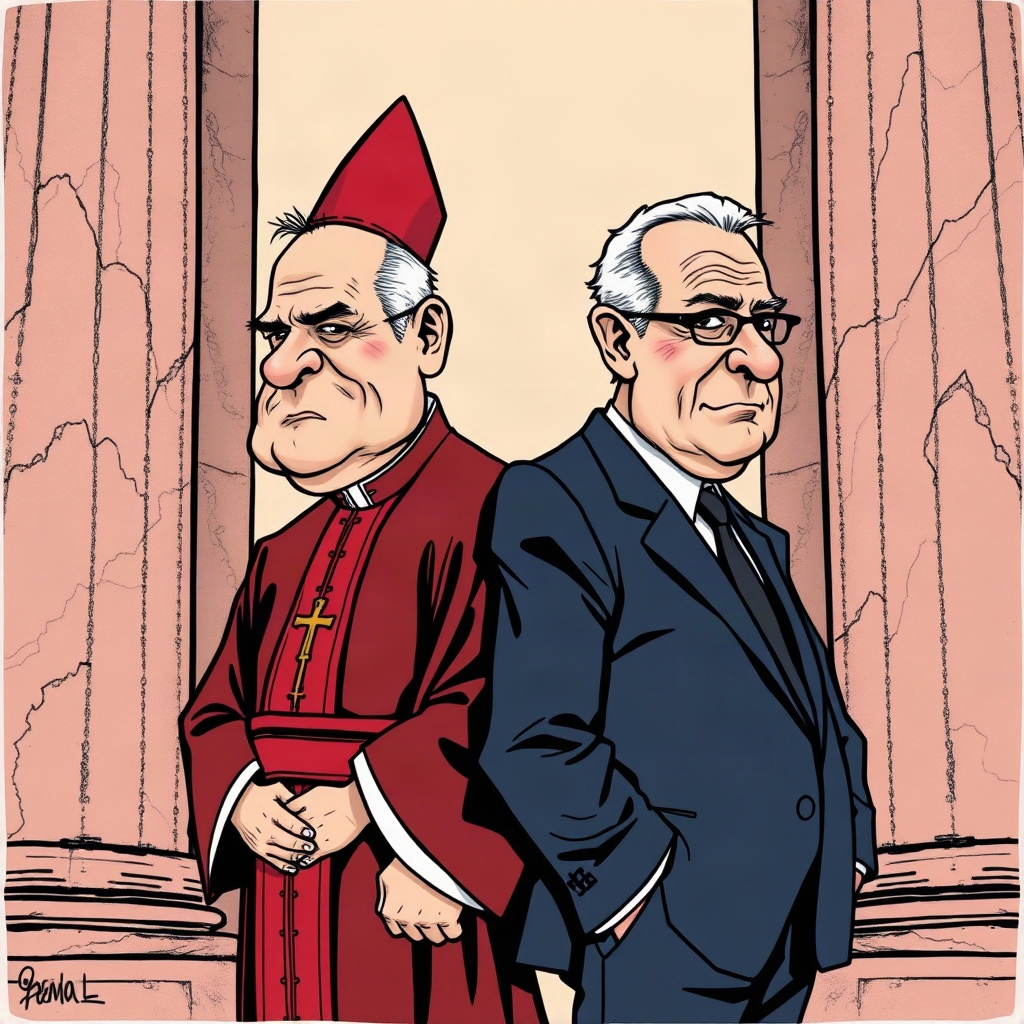
Jeffrey Epstein and Cardinal Theodore McCarrick
Investigative analysis of the alleged ties and documented parallels between Jeffrey Epstein and defrocked Catholic Cardinal Theodore McCarrick.
Read article →