Jeffrey Epstein &
Central Synagogue
Reform Jewish congregation, New York City
Key Facts
Central Synagogue (Congregation Ahawath Chesed Shaar Hashomayim), Midtown Manhattan
Institution
Public Records
Listed under institutional contact entries in Epstein's court-filed address directory
Documentary Connection
SDNY Court Exhibits
No documented major capital grants found in Epstein 990-PF tax disclosures
Direct Grant Record
IRS Form 990-PF Filings
Located approximately 1.2 miles south of Epstein's Manhattan residence
Distance to Residence
New York City Geographic Records
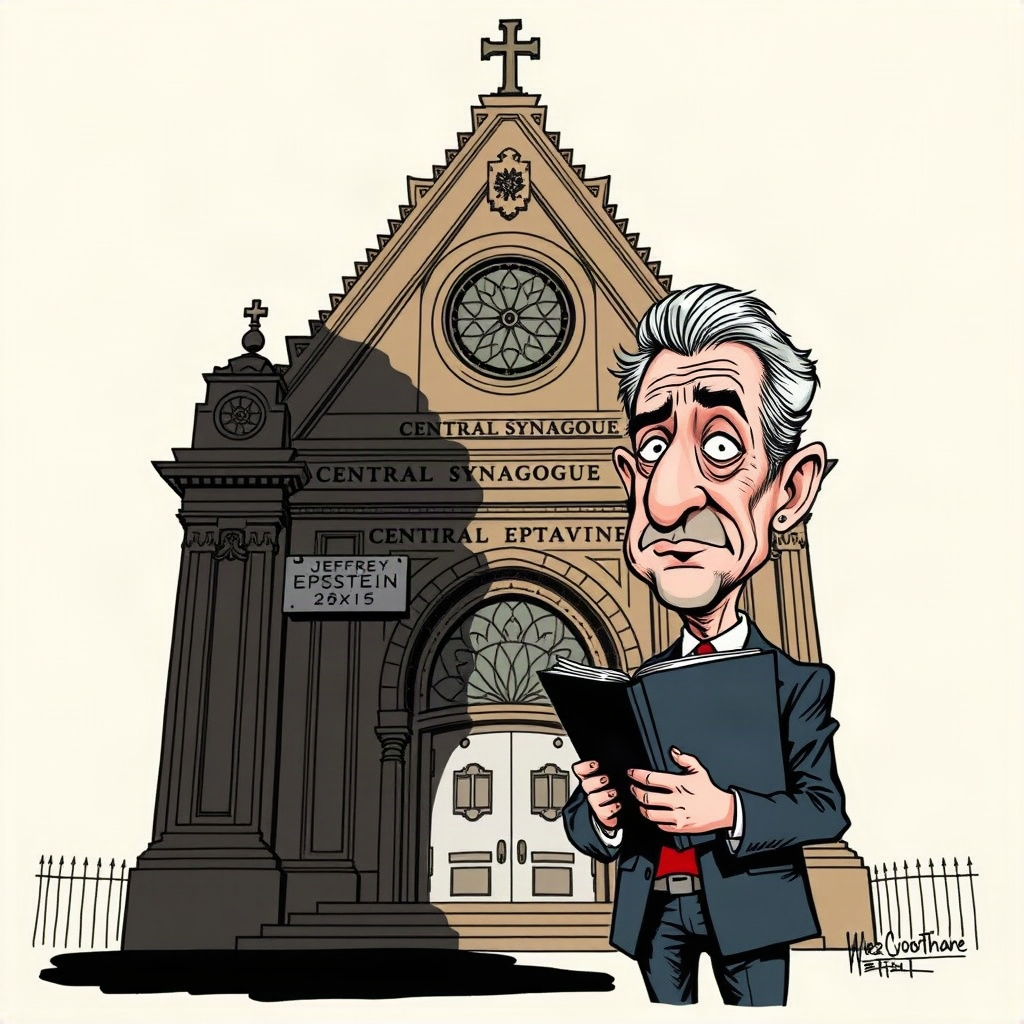
Central Synagogue · Reform Jewish congregation, New York City
In the wake of Jeffrey Epstein's July 2019 arrest by federal prosecutors in the Southern District of New York, a nationwide audit consumed philanthropic, academic, and religious institutions across Manhattan. Non-profit organizations scrambled to comb through decades of donor rolls, ledger entries, and rolodexes to determine whether they had accepted tainted capital or provided social legitimacy to the convicted sex offender. Among the religious landmarks drawn into this sweeping retrospective scrutiny was Central Synagogue, one of the oldest and most prominent Reform Jewish congregations in North America, situated at Lexington Avenue and 55th Street in Midtown Manhattan. For journalists and financial investigators, examining the intersection between Epstein and prominent New York congregations became a crucial inquiry into how the financier leveraged elite civic life to manufacture an aura of respectability.
Founded in 1872 and recognized as a National Historic Landmark, Central Synagogue serves a prominent membership that intersects heavily with New York’s financial, legal, and philanthropic elite. Because Epstein’s primary Manhattan residence—the Herbert N. Straus mansion on East 71st Street—was located just over a mile north of the synagogue, investigators naturally examined whether Epstein maintained formal membership, attended religious services, or directed philanthropic capital toward the institution. The scrutiny deepened given that Epstein’s primary benefactor, retail magnate Leslie Wexner, as well as other high-profile associates such as Leon Black, were major figures within American Jewish philanthropy, frequently underwriting substantial initiatives across New York’s cultural and communal ecosystem.
The earliest verifiable point of contact between Epstein and Central Synagogue emerges not from public donor plaques or ceremonial programs, but from evidentiary records filed in federal court. Specifically, Central Synagogue appears within Epstein’s infamous personal contact directory, colloquially dubbed the Little Black Book, which was seized by law enforcement and subsequently entered into the public record through criminal proceedings and civil litigation. Within the directory, Epstein’s staff maintained contact information for a curated selection of elite Manhattan religious institutions, including Central Synagogue, Fifth Avenue Synagogue, and Park Avenue Synagogue. In investigative practice, however, the presence of an institution or individual in Epstein’s directory does not inherently establish a reciprocal relationship; Epstein routinely compiled numbers of prominent organizations, service providers, and civic leaders unilaterally.
Related articles
Jeffrey Epstein and Wexner Heritage Program
Investigative report on Jeffrey Epstein's fiduciary authority, financial control, and institutional ties to the Wexner Heritage Program.
Read article →
Jeffrey Epstein and Bishop Marcelo Sánchez Sorondo
Investigative report examining Jeffrey Epstein's documented meetings and calendar appointments with Vatican Chancellor Bishop Marcelo Sánchez Sorondo.
Read article →
Jeffrey Epstein and Cardinal Angelo Becciu
An investigative review examining alleged links, financial overlaps, and public records connecting Cardinal Angelo Becciu to Jeffrey Epstein.
Read article →
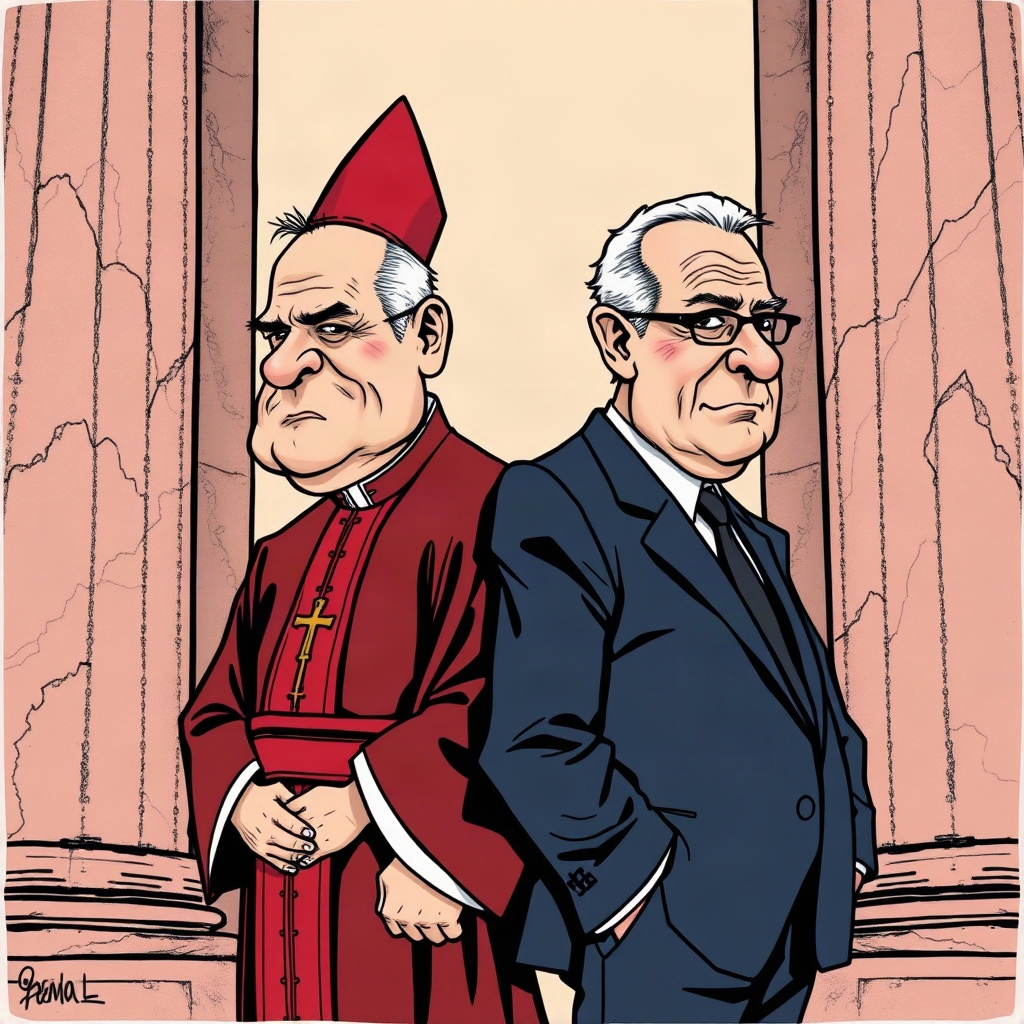
Jeffrey Epstein and Cardinal Theodore McCarrick
Investigative analysis of the alleged ties and documented parallels between Jeffrey Epstein and defrocked Catholic Cardinal Theodore McCarrick.
Read article →