Key Facts
Congressional oversight and institutional investigator; no personal or financial ties to Epstein
Nature of Connection
Congressional Records
Member of the Senate Judiciary Committee overseeing the Department of Justice
Senate Committee
U.S. Senate Historical Office
Authored multiple formal inquiries regarding the 2008 plea agreement and the 2019 Metropolitan Correctional Center death
Oversight Actions
Official Senate Correspondence
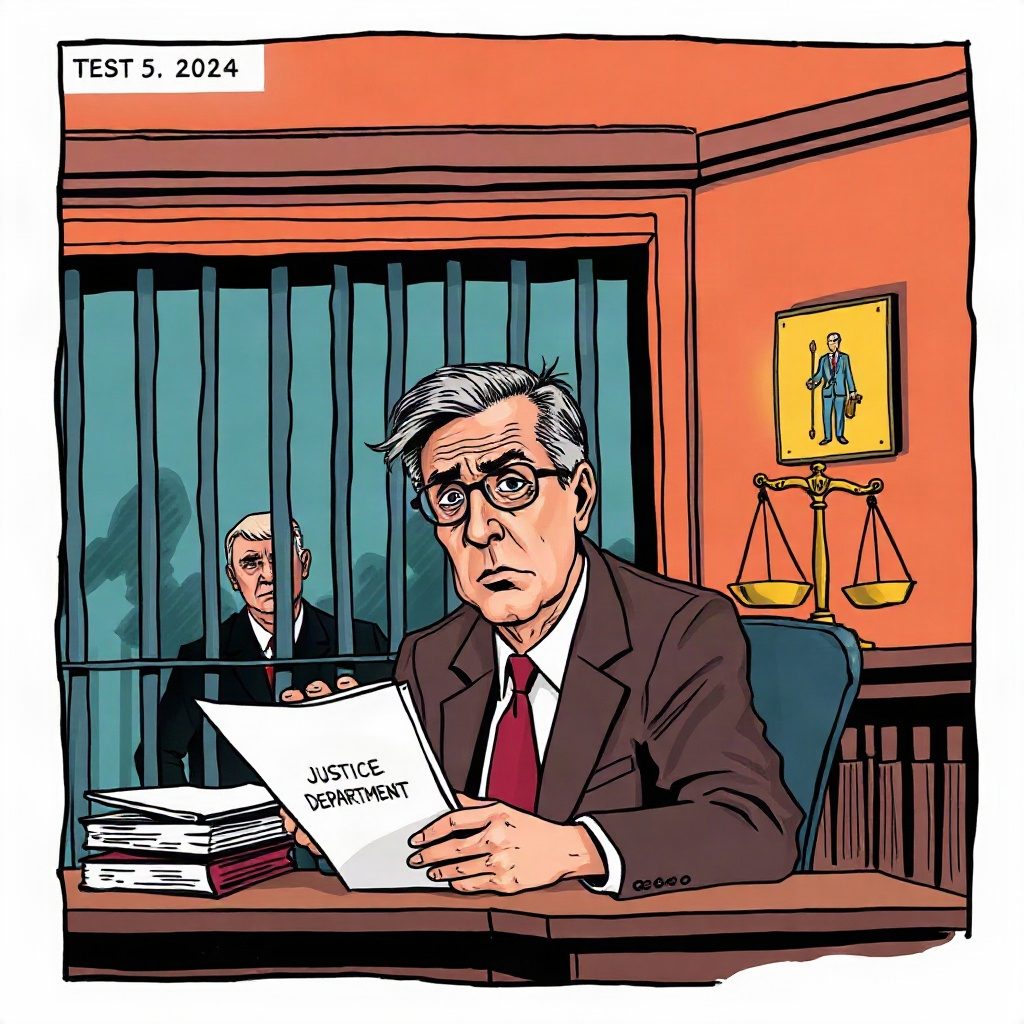
Ben Sasse · Former US Senator from Nebraska
In the extensive web of political, corporate, and cultural figures associated with Jeffrey Epstein, relationships typically divide into two distinct categories: social and institutional associates who facilitated or benefited from his operations, and the legal actors who investigated them. Former United States Senator Ben Sasse occupied a unique position outside these categories. A Republican representing Nebraska from 2015 until his resignation in early 2023, Sasse emerged on Capitol Hill as one of the most persistent and vocal institutional critics of how the United States Department of Justice handled the Epstein prosecution over a span of two decades. Serving on the Senate Judiciary Committee, Sasse leveraged his constitutional oversight authority to challenge the legality of Epstein's 2008 non-prosecution agreement, demand the resignation of key administration officials, and seek answers regarding Epstein's controversial death while in federal custody.
The nexus between Sasse and the Epstein case began in earnest in early 2019, following a significant ruling by Senior U.S. District Judge Kenneth Marra in the Southern District of Florida. On February 21, 2019, Judge Marra ruled in the long-running civil lawsuit Jane Doe 1 and Jane Doe 2 v. United States that federal prosecutors, led in 2008 by then-U.S. Attorney Alexander Acosta, had deliberately concealed the existence of a non-prosecution agreement from Epstein’s underage victims. The court determined that this concealment violated the Crime Victims' Rights Act. The ruling catalyzed public and political outrage, exposing the degree to which Epstein had been granted sweeping federal immunity and allowed to resolve dozens of sex offense allegations with a state-level plea that included work release and minimal actual detention.
Sasse reacted immediately to Judge Marra’s ruling. Recognizing the non-prosecution agreement as a fundamental breakdown of equal justice under law, Sasse formally petitioned the Department of Justice’s Office of Professional Responsibility to initiate a comprehensive investigation into the conduct of the prosecutors who negotiated and executed the deal. In public statements and official correspondence, Sasse emphasized that Epstein’s immense wealth and access to high-priced legal defense appeared to have granted him exceptional leniency unavailable to ordinary citizens. He argued that the sweetheart nature of the agreement made a mockery of federal law enforcement, leaving vulnerable young women without legal recourse while insulating a serial sex offender and his potential co-conspirators from federal indictment.
Related articles
Jeffrey Epstein and Albert Bryan Jr.
Investigative report examining USVI Governor Albert Bryan Jr.'s administrative and political connections to Jeffrey Epstein and the tax incentives inquiry.
Read article →
Jeffrey Epstein and John de Jongh Jr.
Investigative review of USVI Governor John de Jongh Jr.'s administration, his family's financial ties to Jeffrey Epstein, and state tax exemptions.
Read article →

Jeffrey Epstein and Kenneth Mapp
Investigative report on Jeffrey Epstein's political ties and tax benefits under former U.S. Virgin Islands Governor Kenneth Mapp from 2015 to 2019.
Read article →

Jeffrey Epstein and Stacey Plaskett
Investigative review of public records, FEC filings, and court disclosures detailing the ties between Jeffrey Epstein and USVI Delegate Stacey Plaskett.
Read article →