Key Facts
Zero recorded contributions from Epstein to Luján
Direct Campaign Donations
Federal Election Commission Disclosures
None identified in unsealed flight manifests
Flight Log Mentions
SDNY Court Exhibits
Absent from Epstein's disclosed personal directory
Contact Book Inclusion
SDNY Court Exhibits
Represented NM-03, covering northern New Mexico near Zorro Ranch
Official Jurisdiction
U.S. House of Representatives
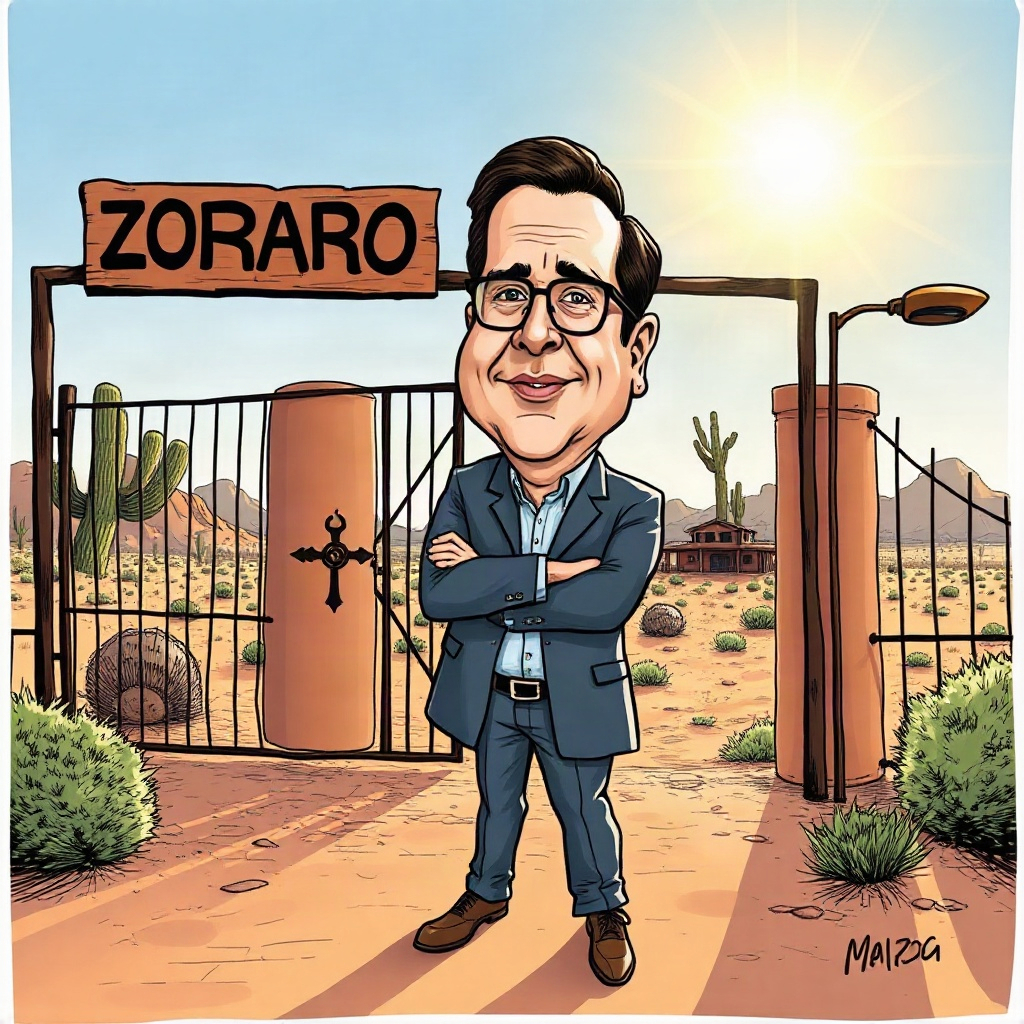
Ben Ray Luján · US Senator from New Mexico
For more than two decades, Jeffrey Epstein maintained an expansive private redoubt in the high desert of Santa Fe County, New Mexico. Known as Zorro Ranch, the sprawling 7,500-acre estate served as both a secluded compound and an alleged site of systemic sexual abuse and human trafficking. In the wake of Epstein’s July 2019 federal indictment by the U.S. Attorney’s Office for the Southern District of New York, journalists, state investigators, and political observers initiated an exhaustive review of public records to map the financier’s connections to the state’s political establishment. Among the figures subject to heightened scrutiny was Ben Ray Luján, a prominent New Mexico Democrat who served as the U.S. Representative for New Mexico's 3rd Congressional District from 2009 to 2021, rose to Assistant House Speaker, and was subsequently elected to the United States Senate in 2020.
Luján’s representation of northern New Mexico placed him at the geographic center of the political landscape surrounding Epstein’s desert estate. Zorro Ranch sat near the rural community of Stanley, falling within Santa Fe County and close to the boundaries of the 3rd Congressional District that Luján represented for over a decade. As the scion of a prominent northern New Mexico political family—his father, Ben Luján Sr., served as the long-tenured Speaker of the New Mexico House of Representatives—Ben Ray Luján occupied a central role in state Democratic politics throughout the period in which Epstein sought to project influence through political donations, academic philanthropy, and land-lease agreements with state entities.
The public record reveals that Epstein systematically targeted New Mexico officials across both major parties during the late 1990s and 2000s, cultivating access through generous campaign contributions and personal hospitality. Most notably, former Democratic Governor Bill Richardson faced significant public scrutiny after civil court filings, including depositions unsealed from Virginia Giuffre’s defamation lawsuit against Ghislaine Maxwell, alleged that Richardson had visited the ranch and met with Epstein, allegations Richardson consistently and vigorously denied until his death. Similar reviews examined Epstein’s campaign contributions to former New Mexico Attorney General Gary King and Republican figures, establishing a documented pattern of Epstein using political donations to secure social and institutional insulation in the state.
Related articles
Jeffrey Epstein and Albert Bryan Jr.
Investigative report examining USVI Governor Albert Bryan Jr.'s administrative and political connections to Jeffrey Epstein and the tax incentives inquiry.
Read article →
Jeffrey Epstein and John de Jongh Jr.
Investigative review of USVI Governor John de Jongh Jr.'s administration, his family's financial ties to Jeffrey Epstein, and state tax exemptions.
Read article →
Jeffrey Epstein and Kenneth Mapp
Investigative report on Jeffrey Epstein's political ties and tax benefits under former U.S. Virgin Islands Governor Kenneth Mapp from 2015 to 2019.
Read article →
Jeffrey Epstein and Stacey Plaskett
Investigative review of public records, FEC filings, and court disclosures detailing the ties between Jeffrey Epstein and USVI Delegate Stacey Plaskett.
Read article →