Jeffrey Epstein &
Aubrey Dunn Jr.
Former New Mexico Public Lands Commissioner
Key Facts
Approximately 1,244 acres adjacent to Zorro Ranch
State Trust Acreage Leased
New Mexico State Land Office Lease Records
January 1, 2015 to January 1, 2019
Dunn's Term of Office
New Mexico Secretary of State
Cypress Inc.
Primary Epstein Corporate Entity
New Mexico State Land Office
Institutional oversight of public land leases; no evidence of personal ties or financial contributions
Official Connection Finding
New Mexico IPRA Records & Press Reports
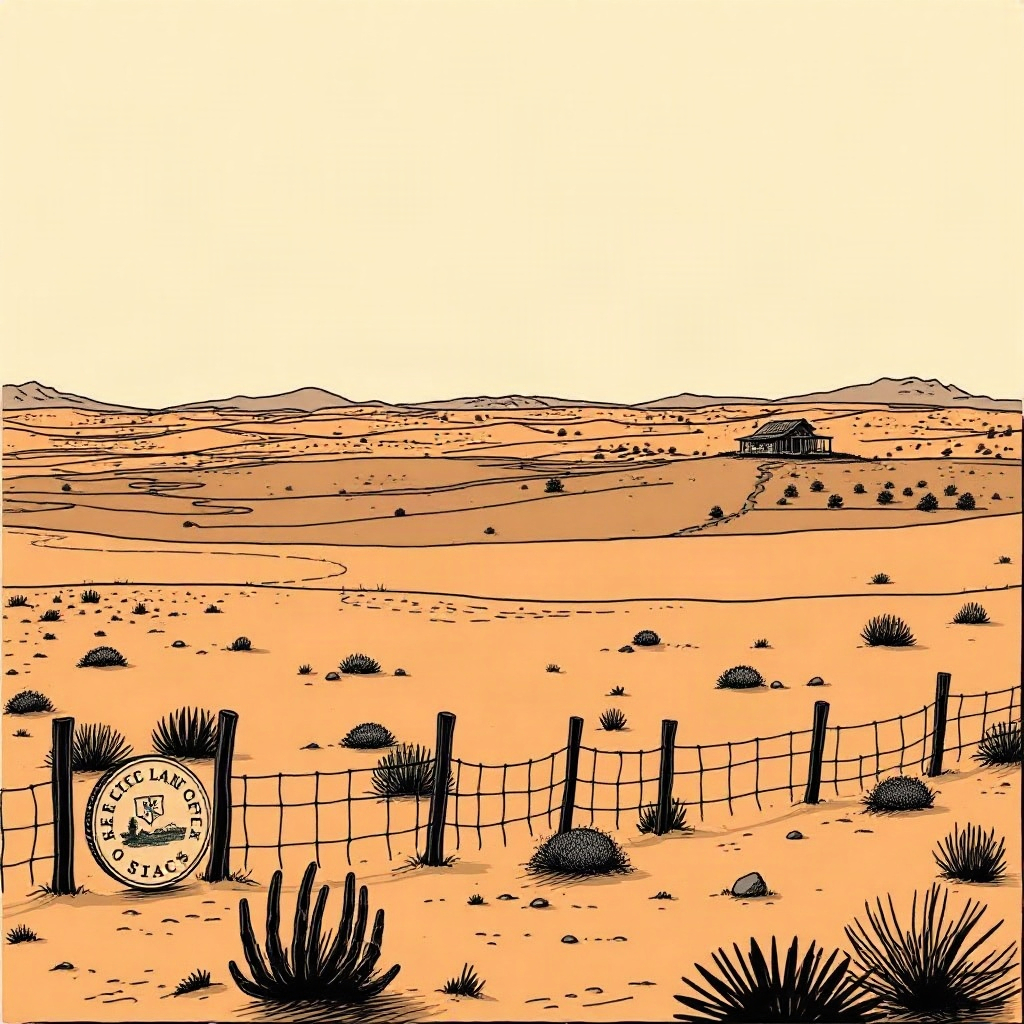
Aubrey Dunn Jr. · Former New Mexico Public Lands Commissioner
For nearly three decades, Jeffrey Epstein maintained a fortified, remote enclave in central New Mexico known as Zorro Ranch. Situated near the unincorporated community of Stanley in Santa Fe County, the sprawling property encompassed thousands of acres of high-desert terrain, complete with an expansive main mansion, private airstrip, and auxiliary residences. While the core residential footprint rested on private deeds acquired in the 1990s, the compound's perimeter relied on a patchwork of public lands leased from the State of New Mexico. The administration of these parcels fell under the direct jurisdiction of the New Mexico State Land Office, an independently elected executive agency tasked with managing millions of acres of state trust land to generate revenue for public schools and institutions. From January 2015 to January 2019, the agency was directed by Aubrey Dunn Jr., a veteran rancher, banker, and elected official whose four-year term coincided with Epstein’s continued, quiet operation of the New Mexico estate prior to his 2019 federal arrest.
Aubrey Dunn Jr. entered the office of Commissioner of Public Lands after winning a narrowly contested election in November 2014 as a Republican, later registering as a Libertarian during an unsuccessful 2018 campaign for the United States Senate. As land commissioner, Dunn held sweeping fiduciary authority over roughly nine million surface acres and thirteen million mineral acres across New Mexico. Among the agency's routine responsibilities was the administration of agricultural and grazing leases, which were frequently held by private ranching entities for ten-year renewable intervals at modest, statutory rental rates. For Epstein, maintaining contiguous control over the range surrounding Zorro Ranch required ongoing commercial relationships with the State Land Office. Investigative inquiries into public records show that Epstein held multiple agricultural leases through his corporate entity, Cypress Inc., encompassing roughly 1,244 acres of public trust land that bordered his private estate.
During Dunn’s tenure, Epstein’s agricultural leases operated largely under institutional inertia. Public land records released by the agency show that the agreements had been established decades earlier, during the 1990s, and had been renewed across consecutive administrations of both major political parties. Under Dunn, the State Land Office continued to process annual lease payments and maintain the legal standing of the Cypress Inc. contracts without raising regulatory challenges. Public records reveal no evidence that Dunn met privately with Epstein, attended social events associated with the financier, or received documented campaign contributions from Epstein or his philanthropic vehicles. Instead, public records depict an administrative detachment typical of the agency's management of thousands of routine grazing leases spread across rural expanses.
Related articles
Jeffrey Epstein and Albert Bryan Jr.
Investigative report examining USVI Governor Albert Bryan Jr.'s administrative and political connections to Jeffrey Epstein and the tax incentives inquiry.
Read article →
Jeffrey Epstein and John de Jongh Jr.
Investigative review of USVI Governor John de Jongh Jr.'s administration, his family's financial ties to Jeffrey Epstein, and state tax exemptions.
Read article →
Jeffrey Epstein and Kenneth Mapp
Investigative report on Jeffrey Epstein's political ties and tax benefits under former U.S. Virgin Islands Governor Kenneth Mapp from 2015 to 2019.
Read article →
Jeffrey Epstein and Stacey Plaskett
Investigative review of public records, FEC filings, and court disclosures detailing the ties between Jeffrey Epstein and USVI Delegate Stacey Plaskett.
Read article →