Key Facts
No phone, email, or black book listings found
Direct Contact Records
Epstein Contact Directory Releases
Zero recorded flights aboard Epstein aircraft
Flight Manifest Presence
United States v. Ghislaine Maxwell Trial Exhibits
No recorded Epstein donations during Lake's tenure
UNICEF Financial Ties
UNICEF Audited Financial Reports (2010-2017)
Institutional presence during 1993-1995 visits without direct meetings
White House Overlap
Clinton Presidential Library FOIA Logs
Anthony Lake · Former US National Security Advisor
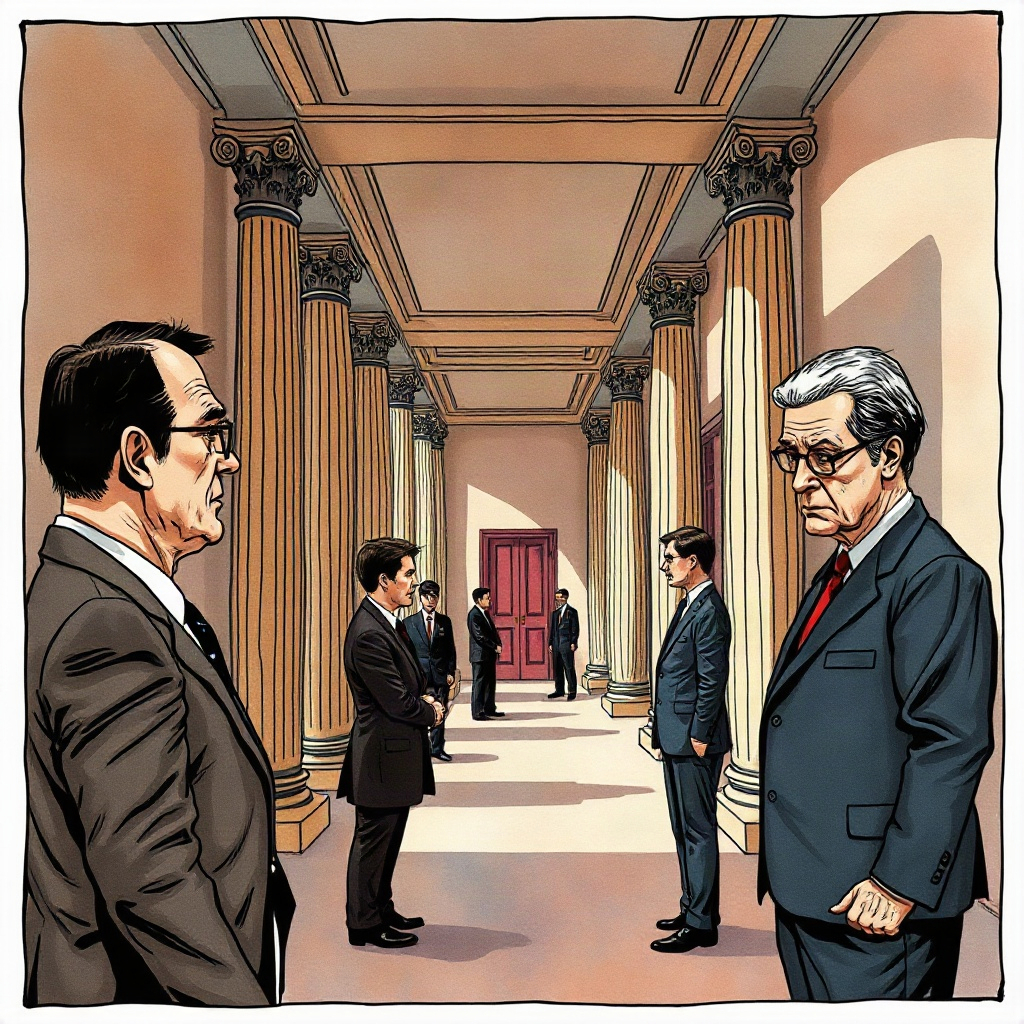
Anthony Lake spent decades navigating the innermost corridors of American foreign policy, serving as National Security Advisor to President Bill Clinton from 1993 to 1997 and later as Executive Director of the United Nations Children's Fund from 2010 to 2017. As investigative journalists and legal researchers have progressively mapped Jeffrey Epstein’s extensive network among diplomatic and intelligence figures, Lake’s name has occasionally emerged in public discussions regarding the broader nexus between political elites and the late financier. Scrutiny of the public record reveals a nuanced reality characterized by institutional proximity and overlapping diplomatic circles rather than direct personal partnership or documented complicity in Epstein’s criminal enterprise.
To understand the context in which Lake’s career coincided with Epstein’s social ascendance, one must examine the Clinton administration’s first term. Declassified White House visitor logs released through Freedom of Information Act requests confirm that Epstein visited the executive mansion multiple times between 1993 and 1995. During this period, Lake oversaw the National Security Council from the West Wing, managing acute global crises including the conflicts in the Balkans and the humanitarian mission in Somalia. The visitor logs demonstrate that Epstein entered the White House complex primarily through invitations linked to political fundraising events, social receptions, and introductions orchestrated by figures such as Mark Middleton, a special assistant to Chief of Staff Thomas F. McLarty. There is no evidence in the archival record indicating that Epstein’s visits involved official national security briefings or private sessions with Lake.
Epstein’s concerted pursuit of foreign policy insiders is well established in court filings and contemporaneous reporting. Throughout the 1990s and continuing after his 2008 conviction in Florida, Epstein sought legitimacy by embedding himself in elite think tanks and foreign policy forums, including the Council on Foreign Relations and the Trilateral Commission. Lake, a career diplomat and scholar who held professorships at Georgetown University, was an active member of this same foreign policy establishment. However, an exhaustive review of Epstein’s published address directories, commonly referred to as the black book, does not reveal a personal contact listing for Anthony Lake, setting him apart from numerous other senior Clinton administration figures who maintained direct lines of communication with the financier.
Related articles
Jeffrey Epstein and William J. Burns
Investigative report examining the documented 2014 meetings between CIA Director William J. Burns and Jeffrey Epstein, based on public records.
Read article →

Jeffrey Epstein and Peter Thiel
An investigative examination of Peter Thiel's documented meetings with Jeffrey Epstein based on leaked calendars, flight logs, and public reporting.
Read article →
Jeffrey Epstein and General Wesley Clark
Investigative analysis of retired General Wesley Clark's appearances in Jeffrey Epstein's flight logs, address books, and unsealed court records.
Read article →
Jeffrey Epstein and Douglas Leese
Investigative report on British arms broker Douglas Leese and his late-1980s alliance with Jeffrey Epstein and Towers Financial corporate takeover bids.
Read article →