Key Facts
February 3, 2005 – September 17, 2007
Tenure as Attorney General
Department of Justice Historical Records
None documented; absent from flight manifests and personal phone registers
Personal Connection to Epstein
Investigative Public Records
Epstein's legal defense team repeatedly lobbied senior DOJ officials to intervene against local prosecutors
Main Justice Involvement
DOJ Office of Professional Responsibility Report (2020)
DOJ internal review concluded Main Justice leadership deferred inappropriately to U.S. Attorney Alexander Acosta without adequate supervisory review
Administrative Finding
DOJ Office of Professional Responsibility Report (2020)
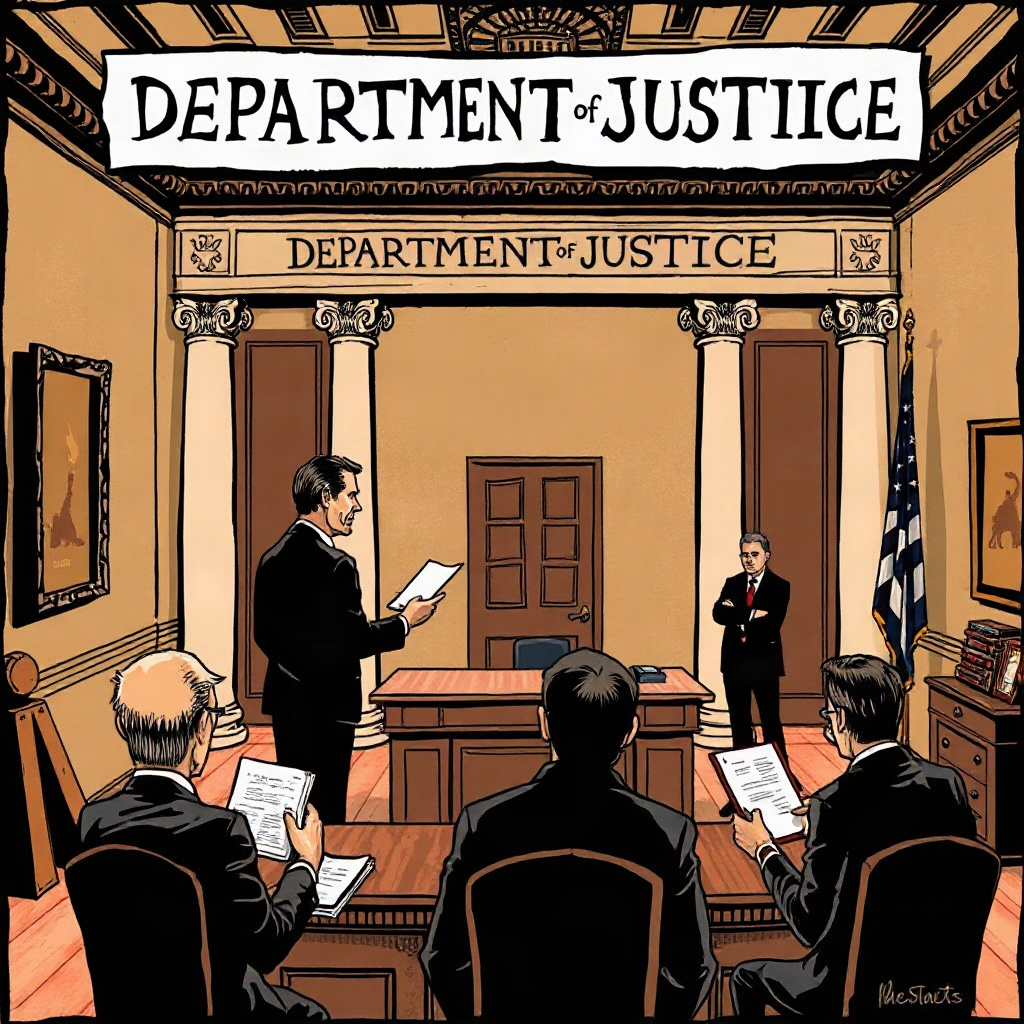
Alberto Gonzales · Former U.S. Attorney General
Between February 2005 and September 2007, Alberto Gonzales served as the 80th Attorney General of the United States. During this precise window, federal law enforcement embarked on its first major investigation into Jeffrey Epstein in the Southern District of Florida. While Gonzales has never been linked to Epstein socially, and his name is absent from flight manifests or the financier's personal contact registers, his administration of the Department of Justice remains a critical focal point for investigative archives examining how Epstein managed to evade extensive federal prosecution. The institutional handling of the financier during Gonzales's leadership established the administrative framework that ultimately culminated in the controversial 2007 Non-Prosecution Agreement.
The federal scrutiny of Epstein began in earnest during the spring of 2006, when the Federal Bureau of Investigation initiated an inquiry codenamed Operation Leap Year. The investigation arose after the Palm Beach Police Department, led by Chief Michael Reiter, encountered resistance from local state prosecutors and formally sought federal assistance. FBI agents uncovered an extensive interstate enterprise involving the procurement and trafficking of underage girls. Because statutory violations spanned multiple jurisdictions and invoked federal human trafficking mandates, federal prosecutors in the Southern District of Florida, headed by U.S. Attorney Alexander Acosta, exercised jurisdiction. As U.S. Attorney, Acosta reported directly up the chain of command to the Office of the Deputy Attorney General and ultimately to Attorney General Gonzales at Main Justice in Washington.
Epstein’s defense strategy during this period was characterized by aggressive, high-level institutional lobbying. Rather than limiting their negotiations to line prosecutors in South Florida, Epstein assembled an unprecedented legal team featuring prominent Washington insiders, former federal prosecutors, and constitutional scholars, including Kenneth Starr, Roy Black, and Jay Lefkowitz. Internal Department of Justice correspondence obtained through subsequent Freedom of Information Act requests and congressional inquiries shows that Epstein's counsel systematically pursued channels at Main Justice to question the necessity and proportionality of a federal indictment. Defense attorneys argued that the matter was inherently a local solicitation case that did not warrant the deployment of federal trafficking statutes, attempting to bypass local prosecutors who favored a sweeping indictment.
Related articles
Jeffrey Epstein and Albert Bryan Jr.
Investigative report examining USVI Governor Albert Bryan Jr.'s administrative and political connections to Jeffrey Epstein and the tax incentives inquiry.
Read article →
Jeffrey Epstein and John de Jongh Jr.
Investigative review of USVI Governor John de Jongh Jr.'s administration, his family's financial ties to Jeffrey Epstein, and state tax exemptions.
Read article →
Jeffrey Epstein and Kenneth Mapp
Investigative report on Jeffrey Epstein's political ties and tax benefits under former U.S. Virgin Islands Governor Kenneth Mapp from 2015 to 2019.
Read article →
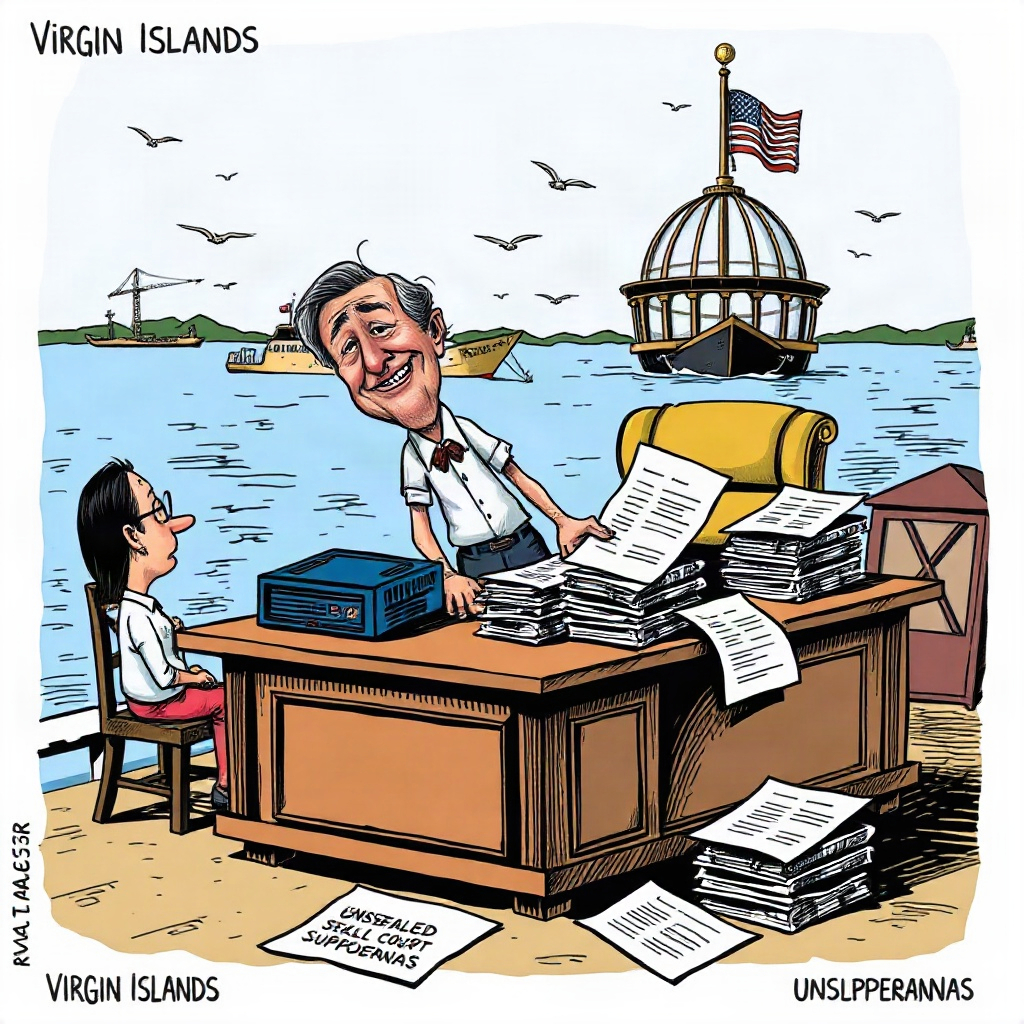
Jeffrey Epstein and Stacey Plaskett
Investigative review of public records, FEC filings, and court disclosures detailing the ties between Jeffrey Epstein and USVI Delegate Stacey Plaskett.
Read article →