Jeffrey Epstein &
Maria Farmer
Artist and Epstein Whistleblower
Key Facts
Autumn 1996 (filed with NYPD and FBI)
Earliest Official Police Report
FBI 302 Memoranda & NYPD Inquiries
New York Academy of Art (where Epstein was a board member)
Institutional Connection
New York Academy of Art Public Records
Guest house at Leslie Wexner estate, New Albany, Ohio
Location of Primary Alleged Assault
Giuffre v. Maxwell Unsealed Filings
Sister Annie Farmer testified as a trial witness in United States v. Maxwell
Familial Testimonial Corroboration
SDNY Criminal Trial Record (2021)
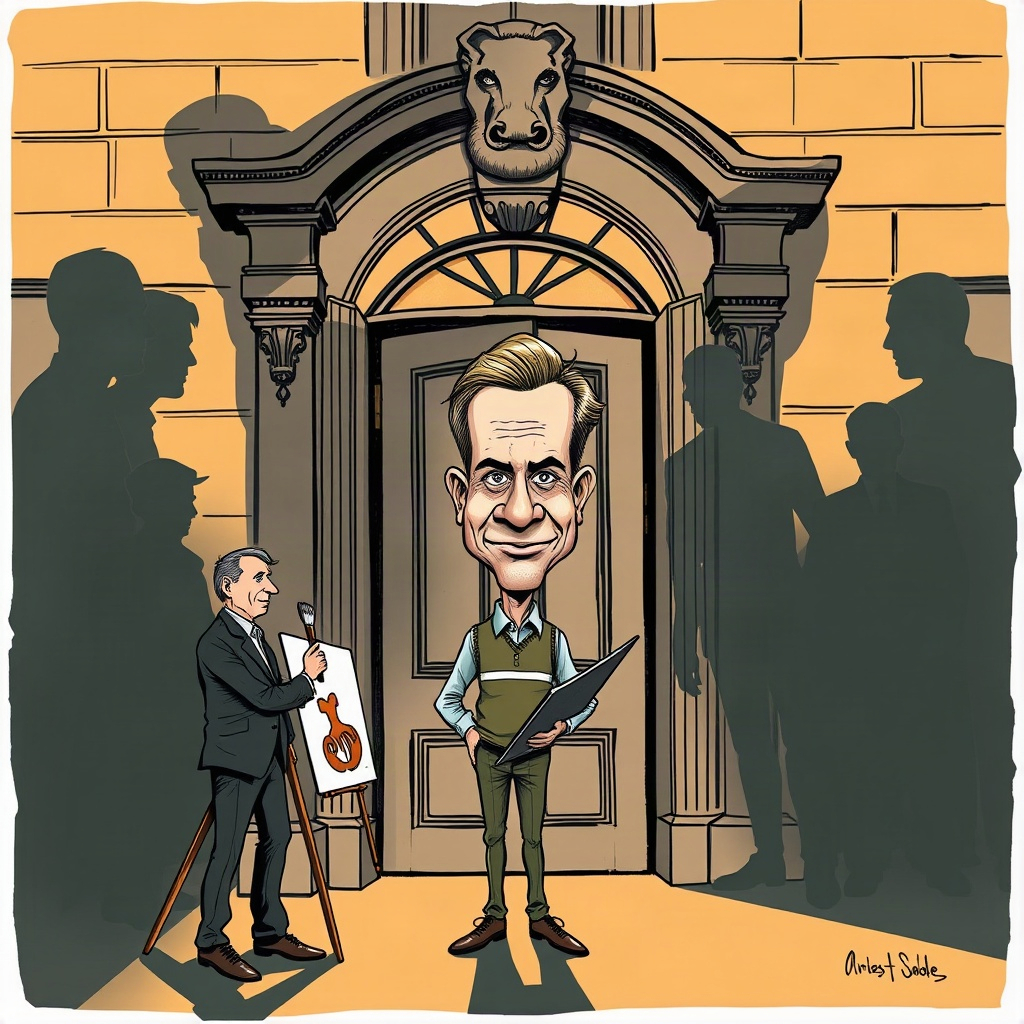
Maria Farmer · Artist and Epstein Whistleblower
In the extensive archival record documenting Jeffrey Epstein’s decades-long pattern of sexual abuse and human trafficking, artist Maria Farmer occupies a uniquely significant position. Long before the Palm Beach Police Department initiated its 2005 investigation into Epstein’s Florida residence, Farmer had already approached law enforcement agencies in New York to report predatory conduct orchestrated by Epstein and his longtime associate Ghislaine Maxwell. Her testimony, which resurfaced prominently following Epstein’s July 2019 federal indictment, established that authorities were alerted to Epstein’s illicit activities as early as 1996. The archival paper trail concerning Farmer spans federal court filings, unsealed civil depositions, investigative journalism records, and Freedom of Information Act disclosures, providing crucial insight into both Epstein’s operational mechanisms and systemic law enforcement failures.
Farmer first encountered Epstein and Maxwell in the spring of 1995. At the time, she was a twenty-five-year-old graduate student at the New York Academy of Art, an institution co-founded by artist Andy Warhol where Epstein served as a member of the board of trustees and contributed significant philanthropic capital. During the academy’s master of fine arts thesis exhibition, Epstein and Maxwell purchased several pieces of Farmer’s artwork and offered her professional patronages. Maxwell in particular presented herself as an influential socialite and art patron capable of advancing Farmer’s career, subsequently hiring her to acquire art and oversee cultural projects for Epstein’s properties.
Initially, Farmer worked out of Epstein’s Manhattan townhouse at 9 East 71st Street and an adjacent office suite. According to sworn statements filed years later in federal civil proceedings, Farmer was tasked with running the front desk and monitoring closed-circuit television systems that surveyed the residence. During this employment, Farmer observed a steady influx of young women and underage girls brought to the home. She later recounted to investigative journalists and federal prosecutors that Maxwell operated as the primary recruiter and domestic administrator, enforcing strict protocols while grooming young women under the guise of modeling opportunities, academic mentorship, or massage appointments.
Related articles
Jeffrey Epstein and Marvin Minsky
An investigative look into AI pioneer Marvin Minsky's documented ties to Jeffrey Epstein and the unsealed 2019 defamation court filings.
Read article →
Jeffrey Epstein and Joi Ito
Investigative report on Joi Ito's ties to Jeffrey Epstein, detailing secret MIT Media Lab funding, personal investments, and the 2019 fallout.
Read article →
Jeffrey Epstein and George Church
Investigative review of geneticist George Church's financial and professional interactions with Jeffrey Epstein across nearly two decades.
Read article →
Jeffrey Epstein and Martin Nowak
Investigative report on Harvard biologist Martin Nowak, his ties to Jeffrey Epstein, university funding, and subsequent disciplinary sanctions.
Read article →