Jeffrey Epstein &
Kenneth Starr
Former US Solicitor General, Defense Attorney
Key Facts
Lead appellate and constitutional strategist for Epstein's defense
Role on Legal Team
DOJ OPR Report (2020)
R. Alexander Acosta, U.S. Attorney for the Southern District of Florida
Primary Negotiating Counterpart
Miami Herald (2018)
Immunity from federal prosecution for Epstein and four named co-conspirators, plus potential unnamed associates
Key Concession Secured
2007 Non-Prosecution Agreement
Concealment of the negotiated agreement ruled a violation of the Crime Victims' Rights Act
Judicial Finding on Secrecy
U.S. District Court (S.D. Fla. 2019)
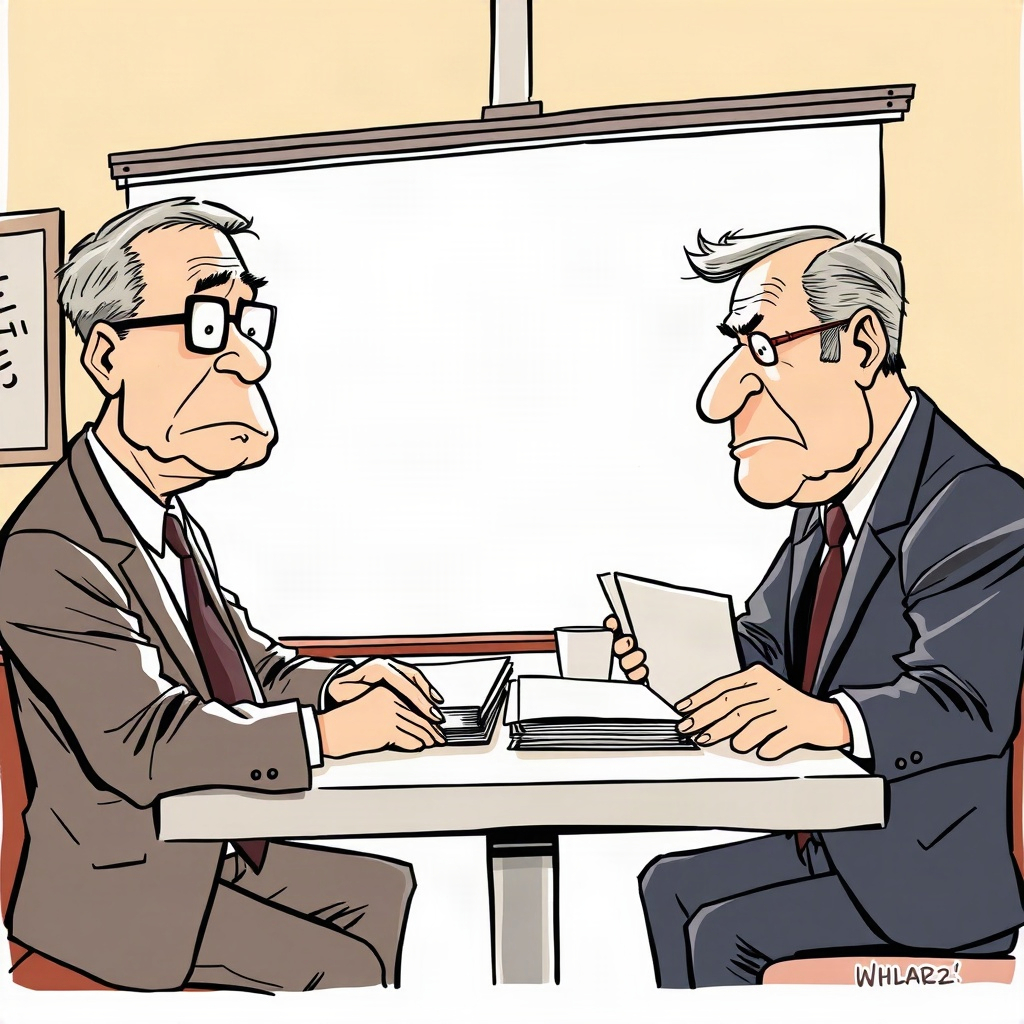
Kenneth Starr · Former US Solicitor General, Defense Attorney
In the mid-2000s, when the Palm Beach Police Department and the Federal Bureau of Investigation were compiling a devastating multi-victim sex-crimes case against Jeffrey Epstein, the wealthy financier assembled an unprecedented legal defense team. Among the cadre of celebrated attorneys—which included Alan Dershowitz, Roy Black, and Gerald Lefcourt—one figure possessed singular gravitas inside the Department of Justice: Kenneth W. Starr. A former federal appellate judge, Solicitor General under President George H.W. Bush, and the Independent Counsel whose investigation led to the 1998 impeachment of President Bill Clinton, Starr gave Epstein instant, heavyweight access to the highest echelons of federal law enforcement.
Starr’s entry into Epstein’s orbit began around 2006, precisely when federal prosecutors in the Southern District of Florida, led by U.S. Attorney R. Alexander Acosta, were considering a fifty-three-page draft indictment that could have sent Epstein to federal prison for life. Epstein’s defense apparatus recognized that line prosecutors Marie Villafaña and her colleagues were pursuing severe charges under federal child exploitation statutes. Starr was deployed not as a traditional trial litigator, but as an elite constitutional interlocutor whose principal mission was to persuade senior Department of Justice officials that the federal government had no legitimate business prosecuting what the defense framed as a local solicitation matter.
Public records, court filings from subsequent Crime Victims’ Rights Act litigation, and internal Department of Justice communications released under the Freedom of Information Act reveal the depth of Starr’s personal involvement in reshaping the course of justice. Beginning in early 2007, Starr engaged in aggressive, backchannel negotiations that bypassed standard prosecutorial channels. Leveraging his stature as a former high-ranking Justice Department official, Starr requested and was granted direct, closed-door audiences with Acosta and officials at Main Justice in Washington, D.C., effectively neutralizing the investigative momentum built by local detectives and FBI special agents.
Related articles
Jeffrey Epstein and Marvin Minsky
An investigative look into AI pioneer Marvin Minsky's documented ties to Jeffrey Epstein and the unsealed 2019 defamation court filings.
Read article →

Jeffrey Epstein and Joi Ito
Investigative report on Joi Ito's ties to Jeffrey Epstein, detailing secret MIT Media Lab funding, personal investments, and the 2019 fallout.
Read article →

Jeffrey Epstein and George Church
Investigative review of geneticist George Church's financial and professional interactions with Jeffrey Epstein across nearly two decades.
Read article →
Jeffrey Epstein and Martin Nowak
Investigative report on Harvard biologist Martin Nowak, his ties to Jeffrey Epstein, university funding, and subsequent disciplinary sanctions.
Read article →