Key Facts
15th Judicial Circuit of Florida, Palm Beach County
Presiding Jurisdiction
State of Florida v. Jeffrey Epstein (2008)
One count of felony solicitation of prostitution; one count of procurement of minors for prostitution
Charges Adjudicated
Palm Beach County Circuit Court Plea Transcript (2008)
18 months in county stockade, work release, 1 year community control, sex offender registration
Sentencing Imposed
State of Florida v. Jeffrey Epstein (2008)
Judicial approval was predicated on a pre-negotiated agreement between state prosecutors and defense counsel
Judicial Constraint
DOJ Office of Professional Responsibility Report (2020)
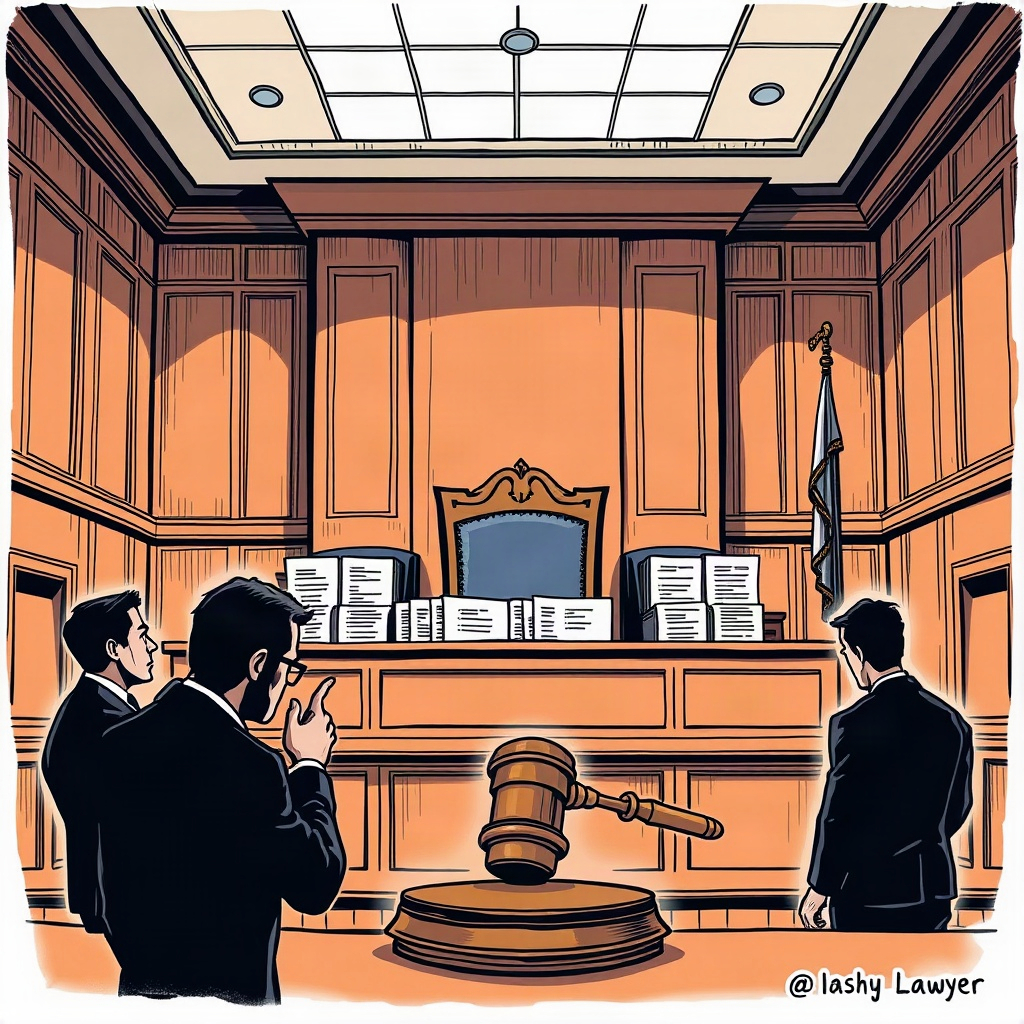
Judge Jeffrey Colbath · Palm Beach Circuit Court Judge
On the morning of June 30, 2008, financier Jeffrey Epstein entered a wood-paneled courtroom in the Palm Beach County Courthouse to resolve what had become one of the most contentious criminal investigations in South Florida history. Presiding over the proceedings was Circuit Judge Jeffrey Colbath, a veteran jurist of Florida's 15th Judicial Circuit. Within less than an hour, Judge Colbath accepted Epstein's guilty plea to two state charges: one count of solicitation of prostitution and one count of procurement of minors for prostitution. In doing so, the court ratified a sentencing arrangement that would later be recognized as one of the most extraordinary examples of legal leniency in American jurisprudence, cementing Judge Colbath's name into the voluminous public record of institutional failures surrounding the Epstein affair.
Jeffrey Colbath had ascended to the bench in 1993, building a long reputation within the Palm Beach County legal establishment as a deliberate and measured jurist. Over decades of service, which would later culminate in his tenure as Chief Judge of the 15th Judicial Circuit, Colbath handled thousands of criminal and civil dockets. Yet his assignment to Case Number 2006-CF-011166—State of Florida v. Jeffrey Edward Epstein—thrust him into a legal vortex shaped by secret federal negotiations, extraordinary political influence, and severe prosecutorial compromise. The hearing over which he presided was not an adversarial sentencing trial, but rather the formal execution of a meticulously prepackaged agreement hammered out between Epstein's high-powered defense team and state and federal prosecutors.
According to official transcripts from the June 30, 2008 hearing, Judge Colbath sentenced Epstein to eighteen months in the Palm Beach County Stockade, followed by one year of community control and sexual offender probation. Crucially, the sentence included authorization for substantial work-release privileges, a condition that Epstein's defense attorneys had vigorously pursued. Under Florida criminal procedure, judges possess discretionary power to reject plea bargains if they determine the negotiated penalties do not serve the interests of justice or public safety. However, trial judges routinely rely upon the factual representations provided by prosecutors. In Epstein's case, Palm Beach County State Attorney Barry Krischer's office presented a constrained narrative that reflected the terms negotiated under the shadow of a parallel federal non-prosecution agreement.
Related articles
Jeffrey Epstein and Darren K. Indyke
Investigative profile of Darren K. Indyke, Jeffrey Epstein's longtime personal attorney, corporate architect, and co-executor of his estate.
Read article →

Jeffrey Epstein and Richard D. Kahn
Investigative profile of Richard D. Kahn, Jeffrey Epstein's long-time accountant and co-executor of his multi-million-dollar estate.
Read article →
Jeffrey Epstein and Michael F. McAuliffe
Investigative review of Michael F. McAuliffe, Palm Beach State Attorney who inherited Jeffrey Epstein's case file and work-release fallout.
Read article →
Jeffrey Epstein and A. Marie Villafaña
Investigative profile of federal prosecutor A. Marie Villafaña, who drafted Jeffrey Epstein's controversial 2007 non-prosecution agreement in Florida.
Read article →