Jeffrey Epstein &
Judge Cecilia Altonaga
Chief US District Court Judge
Key Facts
Chief Judge, United States District Court for the Southern District of Florida
Official Judicial Position
U.S. District Court SDFL Official Directory
Strictly institutional and administrative within the Southern District of Florida federal judiciary
Nature of Connection
PACER Docket Filings
Zero appearances on Epstein flight manifests, personal contact books, or private logs
Flight Logs & Address Book Record
DOJ Disclosed Exhibits & FOIA Releases
None; agreement was privately negotiated by the U.S. Attorney's Office without judicial approval
Role in 2007 Non-Prosecution Agreement
DOJ OPR Report (November 2020)
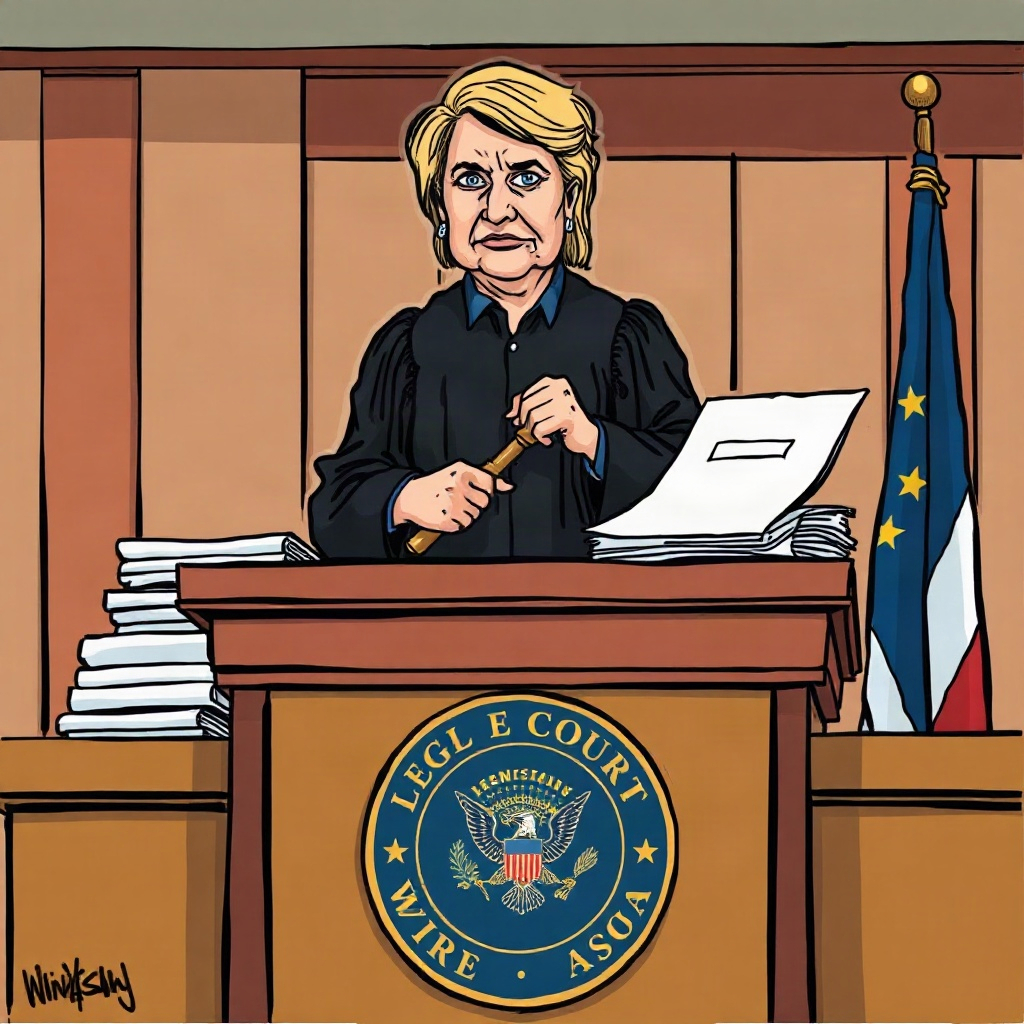
Judge Cecilia Altonaga · Chief US District Court Judge
The Southern District of Florida occupies a singular and contested position in the decades-long legal history of Jeffrey Epstein. It was in this federal judicial district, encompassing Palm Beach, Miami-Dade, and five other South Florida counties, that federal prosecutors crafted the infamous 2007 non-prosecution agreement that shielded the financier and potential co-conspirators from federal indictment. It was also within this district that dozens of civil suits and groundbreaking federal challenges under the Crime Victims' Rights Act were initiated. Operating at the center of this federal court system is Chief Judge Cecilia M. Altonaga, a jurist who was appointed to the bench in 2003 and went on to become the first Cuban American woman to serve as a federal district judge in Florida. In recent years, public interest and investigative scrutiny into all judicial officers and federal figures associated with the Southern District of Florida have intensified, prompting questions regarding what role, if any, Judge Altonaga had in adjudicating or administering matters linked to Epstein.
To understand Judge Altonaga's appearance in records associated with the Epstein saga, one must examine the institutional mechanics of the federal bench in South Florida during the late 2000s. Following the Palm Beach Police Department's extensive 2005 through 2006 investigation into allegations that Epstein was operating an organized sex trafficking ring of minor girls from his El Brillo Way mansion, federal prosecutors led by then-U.S. Attorney R. Alexander Acosta entered protracted negotiations with Epstein’s high-profile legal defense team. When the resulting non-prosecution agreement was executed in September 2007, it largely bypassed public federal indictment, channeling Epstein into a state-level plea agreement in Palm Beach County. However, the subsequent fallout did not stay out of federal court. Between 2008 and 2010, an influx of civil filings and collateral proceedings arrived on the dockets of the Southern District of Florida, involving victims seeking civil remedies as well as legal challenges to the federal government’s actions.
Related articles

Jeffrey Epstein and Darren K. Indyke
Investigative profile of Darren K. Indyke, Jeffrey Epstein's longtime personal attorney, corporate architect, and co-executor of his estate.
Read article →

Jeffrey Epstein and Richard D. Kahn
Investigative profile of Richard D. Kahn, Jeffrey Epstein's long-time accountant and co-executor of his multi-million-dollar estate.
Read article →
Jeffrey Epstein and Michael F. McAuliffe
Investigative review of Michael F. McAuliffe, Palm Beach State Attorney who inherited Jeffrey Epstein's case file and work-release fallout.
Read article →
Jeffrey Epstein and A. Marie Villafaña
Investigative profile of federal prosecutor A. Marie Villafaña, who drafted Jeffrey Epstein's controversial 2007 non-prosecution agreement in Florida.
Read article →