Jeffrey Epstein &
Henry Kissinger
Former US Secretary of State
Key Facts
Listed under Kissinger Associates with office telephone numbers in Epstein's personal directory
Address Book Entry
Epstein Contact Directory (2015)
Zero appearances recorded on any Epstein flight manifests entered into federal court evidence
Flight Log Status
US v. Maxwell SDNY Exhibits (2021)
No civil or criminal allegations of misconduct have ever been made against Kissinger regarding Epstein
Nature of Allegations
Giuffre v. Maxwell Court Filings (2024)
No documented financial ties, business partnerships, or foundation grants between Epstein and Kissinger
Financial Intersect
FOIA & Financial Disclosure Records
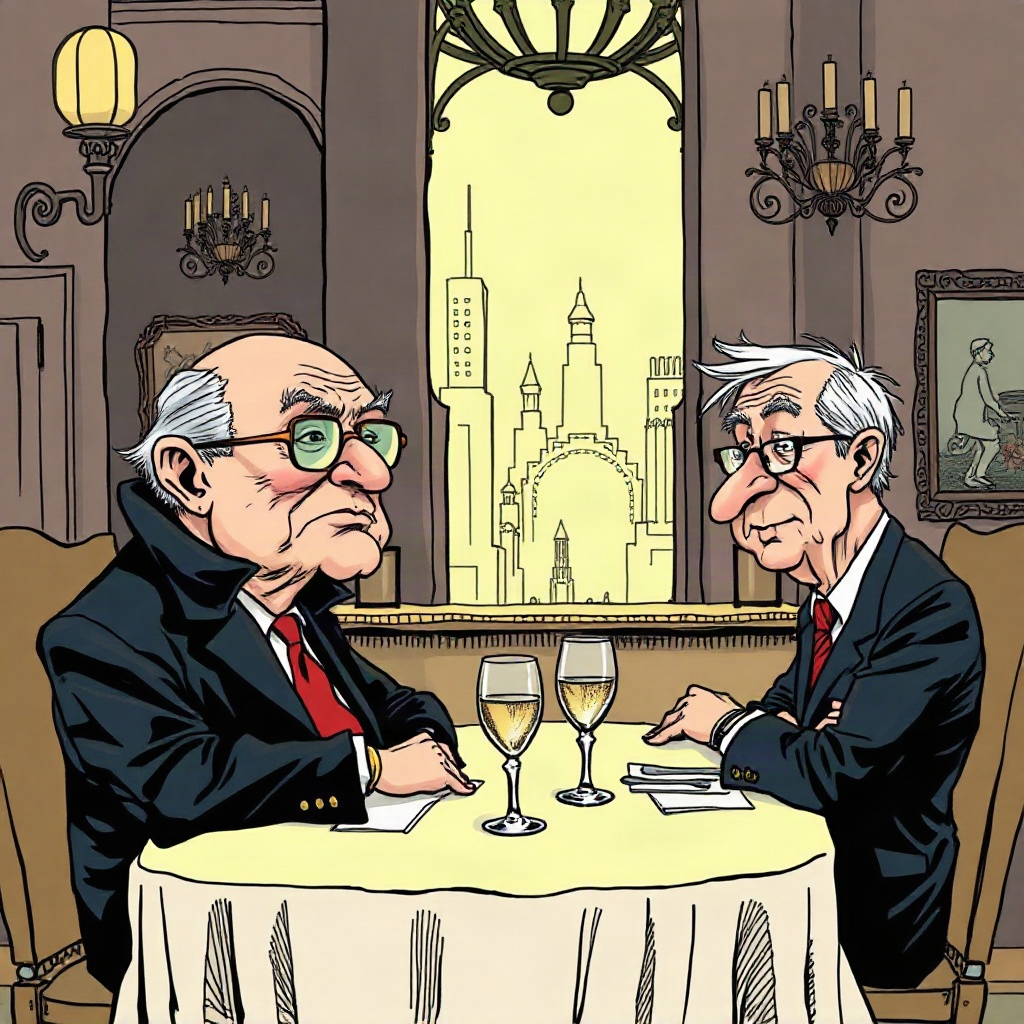
Henry Kissinger · Former US Secretary of State
For decades, Jeffrey Epstein operated an aggressive campaign of social curation, inserting himself into elite echelons where American power, wealth, and diplomacy converged. Following his 2019 arrest and subsequent death, investigative journalists, forensic researchers, and congressional inquiries began dissecting the vast paper trail he left behind to understand how a registered sex offender maintained proximity to prominent world figures. Among the towering political personalities appearing in Epstein’s personal archives was Henry Kissinger, the former United States Secretary of State, National Security Advisor, and Nobel Peace Prize laureate who shaped twentieth-century American foreign policy. While Kissinger’s inclusion in Epstein’s orbit fueled speculation among researchers scrutinizing elite networks, an examination of public records, flight manifests, and unsealed court documents clarifies the narrow, documented boundaries of their association.
Henry Kissinger stood as one of the most consequential, polarizing diplomats in modern history. Serving under Presidents Richard Nixon and Gerald Ford, he directed United States foreign policy through the Vietnam War, the opening of diplomatic relations with the People's Republic of China, and the implementation of détente with the Soviet Union. After leaving public office in 1977, Kissinger founded Kissinger Associates, a high-level geopolitical consulting firm that advised multinational corporations, foreign heads of state, and international financiers. Kissinger remained an omnipresent fixture of Manhattan high society, attending high-profile dinners, foreign policy salons, and philanthropic galas well into his nineties until his death in November 2023. It was within this specific, rarefied New York social ecosystem that Epstein sought to establish financial, intellectual, and geopolitical legitimacy.
Concrete evidence of a connection between the two men first emerged in the public domain through Epstein’s so-called Little Black Book, a 92-page leather-bound directory of contacts compiled by Epstein and his staff throughout the late 1990s and early 2000s. Originally secured by Epstein’s former house manager Alfredo Rodriguez in Palm Beach, Florida, and later obtained by federal law enforcement, the directory became public through reporting by journalist Nick Bryant and Gawker Media in 2015. Within the ledger, an entry appeared for Henry Kissinger, listing telephone numbers associated with his private consulting firm, Kissinger Associates, alongside administrative contact details. In Epstein’s organizational system, the presence of an individual in the address directory demonstrated that Epstein or his assistants had access to the person's office, though it did not inherently prove reciprocal friendship, transactional dealings, or direct private communication.
Related articles
Jeffrey Epstein and Central Intelligence Agency (CIA)
An investigative review of alleged ties between Jeffrey Epstein and the CIA, examining FOIA filings, Acosta's remarks, and official calendar records.
Read article →
Jeffrey Epstein and Federal Bureau of Investigation (FBI)
An investigative analysis of Jeffrey Epstein's decades-long history with the FBI, from the 2006 Palm Beach probe to the 2019 Manhattan raid and FOIA files.
Read article →
Jeffrey Epstein and Secret Intelligence Service (MI6)
Investigative analysis of Jeffrey Epstein's alleged links to Britain's Secret Intelligence Service (MI6), Ghislaine Maxwell, and elite UK networks.
Read article →
Jeffrey Epstein and Directorate-General for External Security (DGSE)
Investigating allegations and public records regarding Jeffrey Epstein, his Paris operations, and France's foreign intelligence agency, the DGSE.
Read article →