Jeffrey Epstein &
Guy Wildenstein
French-American Art Dealer and Gallerist
Key Facts
Listed under multiple entries in Epstein's personal phone book
Documented Contact
Epstein Contact Directory
None; not named in victim depositions or federal indictments
Accusations of Abuse
SDNY Court Dockets
Manhattan's Upper East Side and 16th arrondissement of Paris
Geographic Intersection
Public Records
No documented flights aboard Epstein's private aircraft
Flight Log Records
FAA Flight Logs
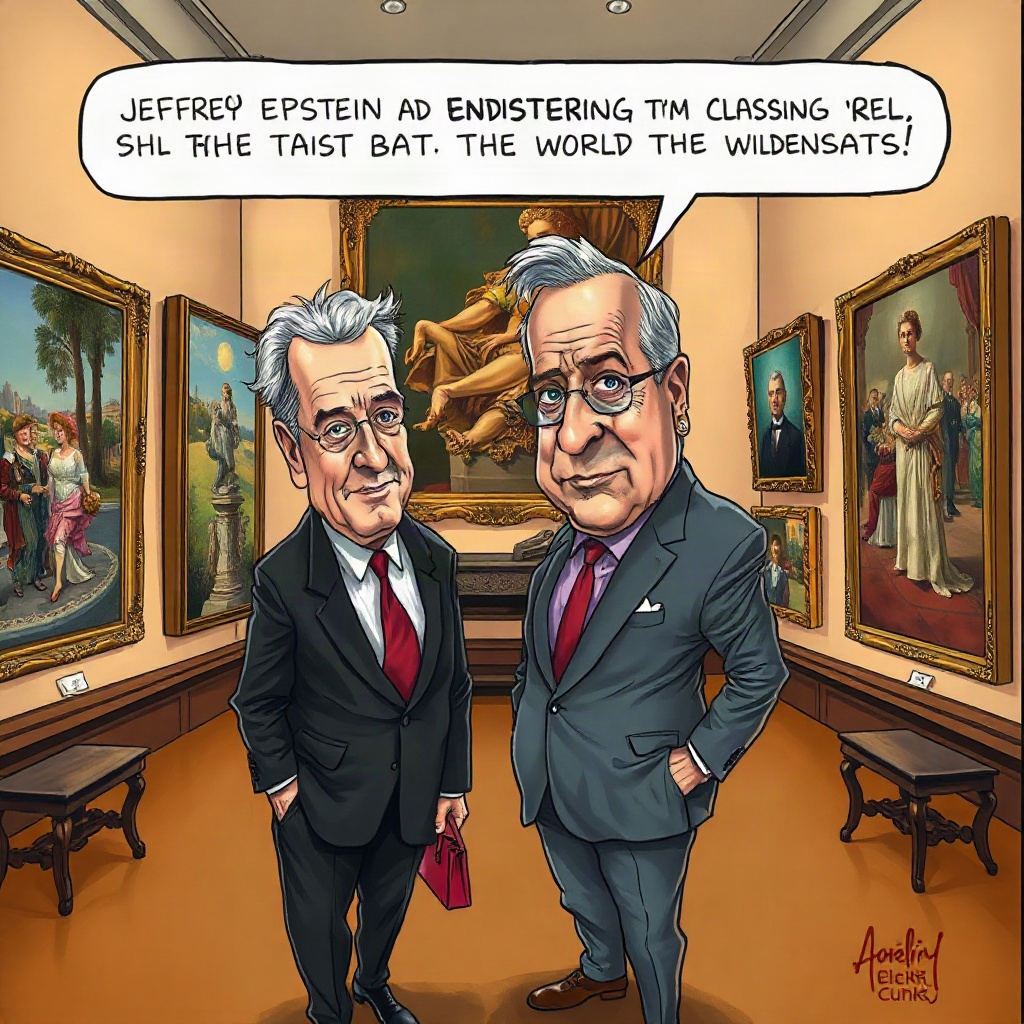
Guy Wildenstein · French-American Art Dealer and Gallerist
In the gilded corridors of international high finance and elite cultural patronage, social networks frequently blur the lines between casual acquaintance and strategic alliance. Among the prominent figures whose names surface within the documentary debris of Jeffrey Epstein’s sprawling network is Guy Wildenstein, the Franco-American art dealer, racehorse owner, and heir to one of the most storied art dynasties of the twentieth century. While Wildenstein has never been accused of involvement in Epstein’s documented sex-trafficking operations, his presence within Epstein’s personal records offers an instructive case study into how the late financier cultivated proximity to generational wealth, transatlantic aristocracy, and the secretive world of high-value art dealing.
Guy Wildenstein is the scion of the Wildenstein art dealing empire, founded in Paris in the late nineteenth century by his great-grandfather Nathan Wildenstein. Over four generations, the family amassed what many art historians consider to be the most valuable private collection of Old Masters, Impressionist, and post-Impressionist works in existence, operating commercial galleries from New York's Upper East Side to Paris and London. Following the death of his father Daniel Wildenstein in 2001 and his elder brother Alec in 2008, Guy assumed control of the family’s business empire and its formidable thoroughbred breeding interests. In addition to his commercial activities, Wildenstein was a prominent donor to conservative French politics, maintaining close personal ties to former French President Nicolas Sarkozy, who awarded him the Legion of Honour in 2009. Wildenstein was a central fixture in the identical geographic and social spheres that Epstein aggressively courted throughout the 1990s and 2000s.
Publicly verifiable connections between Epstein and Wildenstein first emerged with the disclosure of Epstein’s personal contact directory, widely referred to in journalistic accounts as the Little Black Book. Compiled during the mid-2000s by Epstein’s household staff and entered into public evidence through court records and investigative leaks, the address book includes multiple direct entries for Guy Wildenstein. The listings feature phone numbers corresponding to Wildenstein’s residences and professional offices in New York and Paris, alongside direct private lines. Such entries in Epstein’s personal Rolodex do not constitute evidence of legal wrongdoing, but they confirm that Epstein’s staff maintained direct, multi-jurisdictional channels of communication to the art dealer during the years when Epstein was consolidating his operations in New York and Florida.
Related articles
Jeffrey Epstein and Central Intelligence Agency (CIA)
An investigative review of alleged ties between Jeffrey Epstein and the CIA, examining FOIA filings, Acosta's remarks, and official calendar records.
Read article →

Jeffrey Epstein and Federal Bureau of Investigation (FBI)
An investigative analysis of Jeffrey Epstein's decades-long history with the FBI, from the 2006 Palm Beach probe to the 2019 Manhattan raid and FOIA files.
Read article →
Jeffrey Epstein and Secret Intelligence Service (MI6)
Investigative analysis of Jeffrey Epstein's alleged links to Britain's Secret Intelligence Service (MI6), Ghislaine Maxwell, and elite UK networks.
Read article →
Jeffrey Epstein and Directorate-General for External Security (DGSE)
Investigating allegations and public records regarding Jeffrey Epstein, his Paris operations, and France's foreign intelligence agency, the DGSE.
Read article →