Jeffrey Epstein &
Federal Bureau of Prisons
Federal agency, US Department of Justice
Key Facts
Metropolitan Correctional Center (MCC), Special Housing Unit Tier L, New York
Detention Facility
DOJ OIG Report (2023)
Approximately eight hours between 10:30 p.m. August 9 and 6:30 a.m. August 10 without physical rounds
Unchecked Time Window
SDNY Indictment (2019)
Deferred prosecution agreements with 100 hours of community service after admitting to falsified logs
Guards' Legal Resolution
SDNY Court Filings (2021)
MCC New York was permanently closed down following pervasive infrastructure and security failures
Institutional Outcome
Department of Justice (2021)
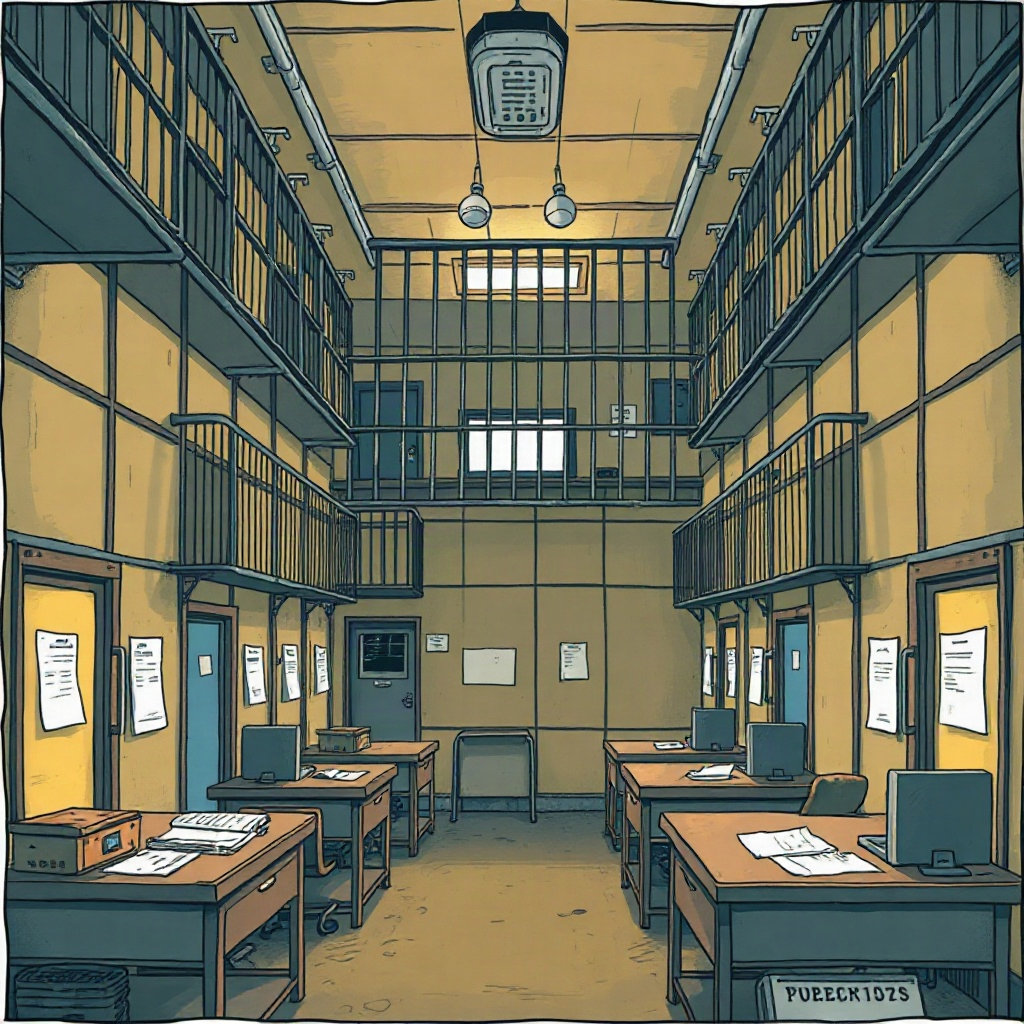
Federal Bureau of Prisons · Federal agency, US Department of Justice
The Federal Bureau of Prisons, an agency operating under the United States Department of Justice, is responsible for the custody, care, and security of more than one hundred and fifty thousand federal inmates across more than one hundred institutions nationwide. For decades, the agency managed high-profile detainees, ranging from organized crime figures to foreign terrorists, inside its metropolitan detention facilities. However, no incident in the modern history of the Federal Bureau of Prisons exposed its internal dysfunction, staffing crises, and administrative breakdowns quite like the detention and death of Jeffrey Edward Epstein inside the Metropolitan Correctional Center in Lower Manhattan during the summer of 2019.
Following his arrest on federal sex-trafficking charges on July 6, 2019, by the United States Attorney’s Office for the Southern District of New York, Epstein was remanded without bail to the Metropolitan Correctional Center, commonly known as MCC New York. The facility, located adjacent to federal courthouses in downtown Manhattan, had long been notorious among defense attorneys, correctional officers, and oversight bodies for severe physical decay, rat infestations, failing infrastructure, and persistent understaffing. Epstein was assigned to the Special Housing Unit, an isolated quadrant on the ninth floor designed for administrative segregation and high-security detention. From the outset, the interaction between Epstein and the Bureau of Prisons revealed a troubled balance between procedural security and chronic institutional neglect.
Public records, including internal Bureau of Prisons memorandums and subsequent investigative reports by the Department of Justice Office of the Inspector General, document that Epstein experienced a severe psychological crisis during his first few weeks in custody. In the early morning hours of July 23, 2019, correctional staff found Epstein semi-conscious on the floor of his cell with contusions around his neck. His then-cellmate, Nicholas Tartaglione, a former police officer awaiting trial on quadruple homicide charges, denied harming him. Epstein was subsequently placed on suicide watch, subject to constant observation, paper clothing, and suicide-resistant bedding. However, following evaluations by Bureau of Prisons psychological staff, Epstein was removed from suicide watch on July 29, 2019, and returned to the Special Housing Unit under the explicit clinical condition that he be assigned an appropriate cellmate and subjected to mandatory physical rounds every thirty minutes.
Related articles
Jeffrey Epstein and Central Intelligence Agency (CIA)
An investigative review of alleged ties between Jeffrey Epstein and the CIA, examining FOIA filings, Acosta's remarks, and official calendar records.
Read article →

Jeffrey Epstein and Federal Bureau of Investigation (FBI)
An investigative analysis of Jeffrey Epstein's decades-long history with the FBI, from the 2006 Palm Beach probe to the 2019 Manhattan raid and FOIA files.
Read article →
Jeffrey Epstein and Secret Intelligence Service (MI6)
Investigative analysis of Jeffrey Epstein's alleged links to Britain's Secret Intelligence Service (MI6), Ghislaine Maxwell, and elite UK networks.
Read article →

Jeffrey Epstein and Directorate-General for External Security (DGSE)
Investigating allegations and public records regarding Jeffrey Epstein, his Paris operations, and France's foreign intelligence agency, the DGSE.
Read article →