Jeffrey Epstein &
Edwards v. Dershowitz
Defamation lawsuit between Epstein attorneys
Key Facts
Edwards v. Dershowitz, Case No. CACE-15-000072
Case Citation
Broward County 17th Judicial Circuit Court
Defamation per se, slander, and intentional infliction of emotional distress
Cause of Action
Complaint (Jan. 5, 2015)
Statements made by Dershowitz on cable news alleging Edwards fabricated client allegations and committed legal malpractice
Underlying Dispute
Court filings
Confidential settlement and mutual withdrawal of claims with a joint statement
Resolution Type
Joint Settlement Statement (April 2016)
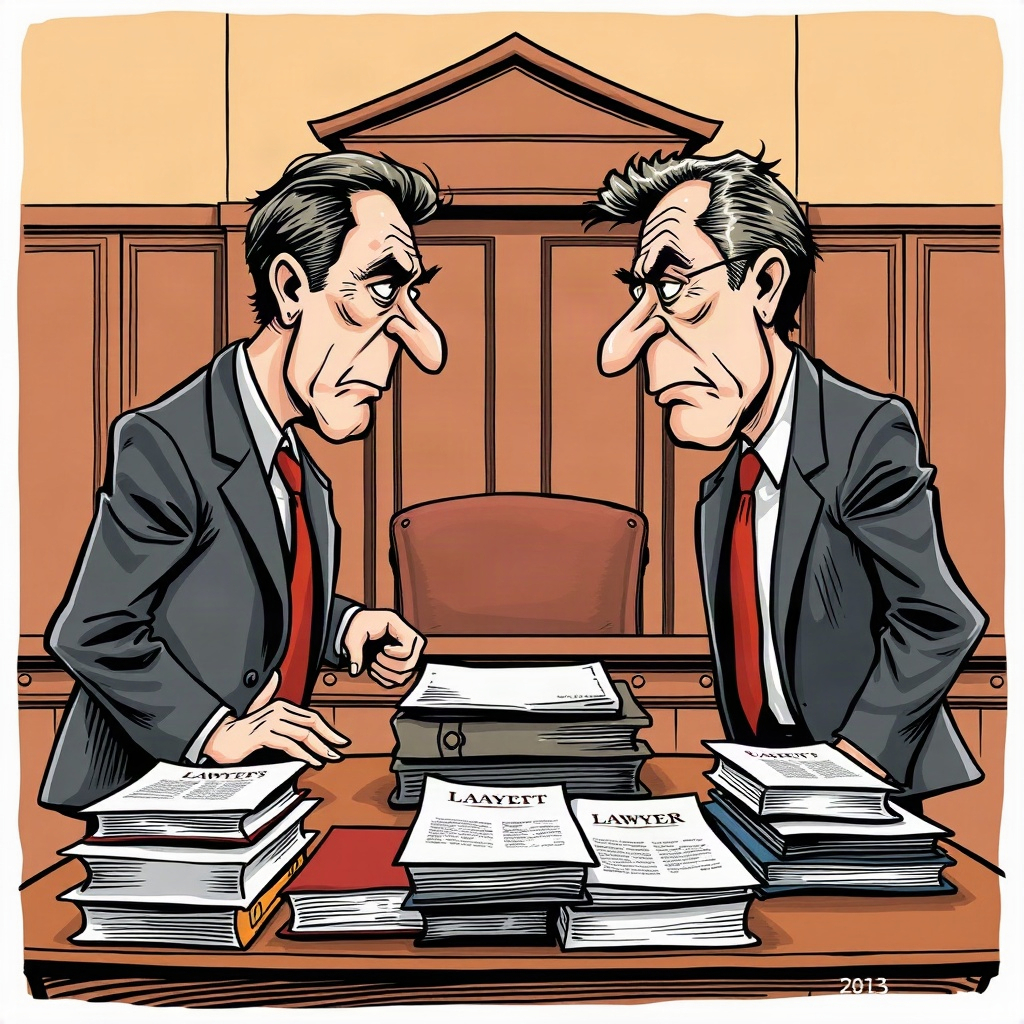
Edwards v. Dershowitz · Defamation lawsuit between Epstein attorneys
The fallout from the controversial 2008 federal non-prosecution agreement granted to Jeffrey Epstein reverberated through the American legal system for over a decade, igniting an array of secondary civil battles between the central figures involved. Among the most acrimonious of these proxy conflicts was Edwards v. Dershowitz, a high-stakes defamation lawsuit filed in early 2015 in Florida state court. The litigation pitted Bradley J. Edwards, a Fort Lauderdale civil rights attorney representing dozens of Epstein’s young victims, against Alan M. Dershowitz, the prominent Harvard Law School professor who had served on Epstein’s criminal defense team during the initial Florida investigation. The lawsuit became an intense battleground over attorney conduct, witness credibility, and the aggressive public relations tactics deployed in the shadow of Epstein’s illicit network.
Bradley Edwards first collided with Epstein’s legal team in 2008 when he began representing victims seeking restitution and accountability under the federal Crime Victims’ Rights Act. Partnering with former federal judge Paul Cassell, Edwards challenged the clandestine non-prosecution agreement negotiated between federal prosecutors and Epstein’s defense lawyers, a group that included Dershowitz, Kenneth Starr, and Roy Black. For years, Edwards pursued civil remedies for victimized minors while probing Epstein’s broader operation. The friction escalated dramatically in late December 2014, when Edwards and Cassell filed a motion in federal court in Florida on behalf of Virginia Giuffre, seeking to join her as a plaintiff in the ongoing victims’ rights challenge. Attached to the filing was a detailed affidavit in which Giuffre alleged that Epstein had trafficked her to various prominent individuals, identifying Dershowitz among them.
Dershowitz categorically and vehemently denied Giuffre’s claims, asserting that he had never met her, had never engaged in sexual relations with any of Epstein’s victims, and possessed documentary evidence establishing he was elsewhere during the alleged incidents. However, Dershowitz did not limit his response to denying the allegations. Over the days that followed the December 2014 filing, he launched an aggressive media blitz across national television networks, radio broadcasts, and print publications. In repeated appearances on CNN, Fox News, and MSNBC, Dershowitz accused Edwards and Cassell of committing legal malpractice, suborning perjury, intentionally filing fraudulent affidavits without verification, and engaging in an extortion scheme aimed at extracting financial settlements.
Related articles
Jeffrey Epstein and Darren K. Indyke
Investigative profile of Darren K. Indyke, Jeffrey Epstein's longtime personal attorney, corporate architect, and co-executor of his estate.
Read article →
Jeffrey Epstein and Richard D. Kahn
Investigative profile of Richard D. Kahn, Jeffrey Epstein's long-time accountant and co-executor of his multi-million-dollar estate.
Read article →
Jeffrey Epstein and Michael F. McAuliffe
Investigative review of Michael F. McAuliffe, Palm Beach State Attorney who inherited Jeffrey Epstein's case file and work-release fallout.
Read article →
Jeffrey Epstein and A. Marie Villafaña
Investigative profile of federal prosecutor A. Marie Villafaña, who drafted Jeffrey Epstein's controversial 2007 non-prosecution agreement in Florida.
Read article →