Jeffrey Epstein &
Defense Intelligence Agency (DIA)
US Military Intelligence Agency, DoD
Key Facts
Foreign military intelligence and combat support, established 1961 under the Department of Defense
Agency Mandate
No responsive records showing asset, source, or contractor relationship under FOIA
Documentary Status
Department of Defense Freedom of Information Act Logs (2019–2022)
Found no evidence of intelligence agency intervention in the 2008 non-prosecution agreement
DOJ OPR Finding
DOJ Office of Professional Responsibility Report (November 2020)
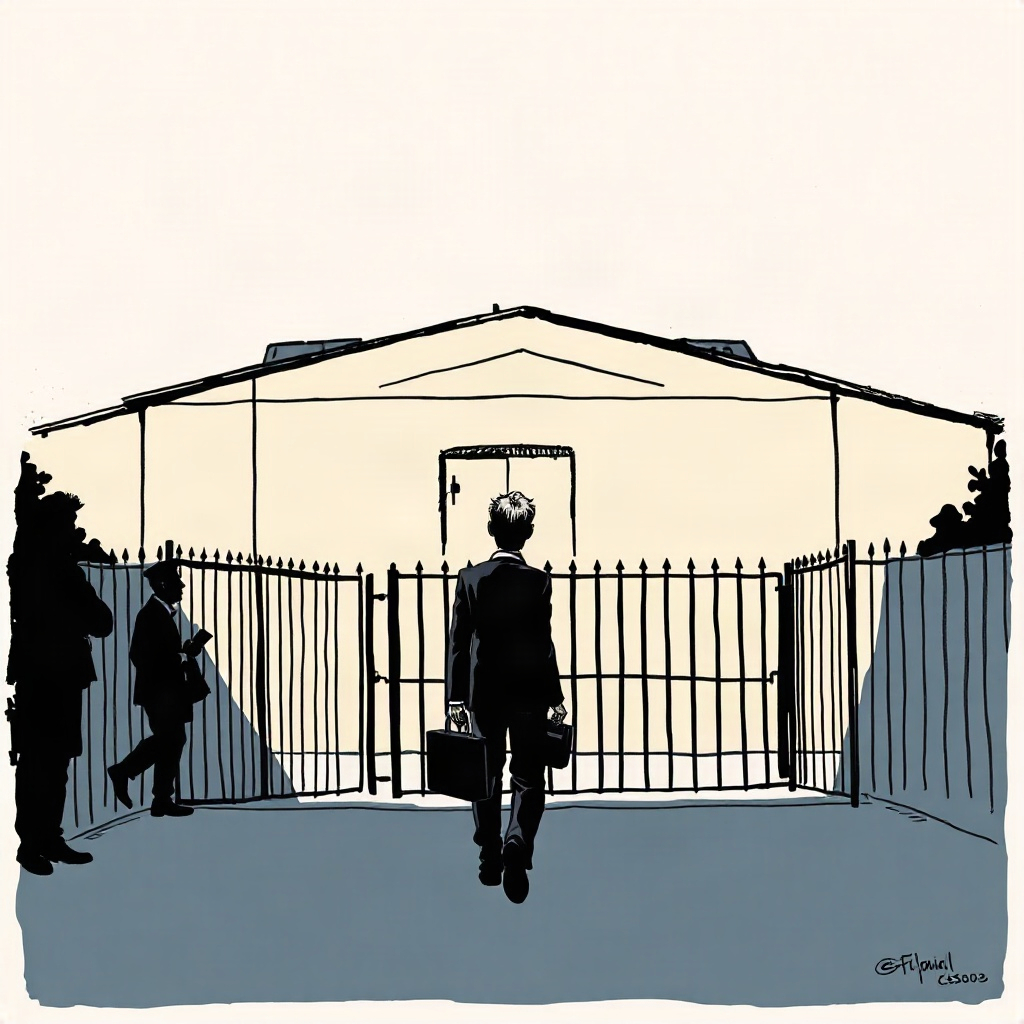
Defense Intelligence Agency (DIA) · US Military Intelligence Agency, DoD
In the sprawling post-mortem of Jeffrey Epstein’s financial network and criminal enterprise, few questions have generated more persistent speculation than whether the late financier maintained ties to the United States intelligence community. Among the agencies frequently drawn into this speculation is the Defense Intelligence Agency, the Pentagon’s foreign military intelligence organ. Established in 1961 by Defense Secretary Robert McNamara, the agency operates under the Department of Defense to provide military intelligence to combat troops, defense planners, and policymakers. Unlike civilian intelligence agencies, its primary focus remains military-to-military analysis, foreign defense capabilities, and weapons systems. Despite this military-focused mandate, the defense intelligence apparatus has repeatedly been scrutinized by investigative journalists, legal researchers, and transparency advocates seeking to explain Epstein’s extraordinary immunity, international mobility, and anomalous access to global power centers.
The genesis of claims linking Epstein to federal intelligence agencies traces largely to the controversial 2008 non-prosecution agreement negotiated in South Florida. In 2019, journalist Vicky Ward reported in The Daily Beast that Alexander Acosta, who served as U.S. Attorney for the Southern District of Florida during the initial investigation, had allegedly explained his lenient handling of Epstein during a 2017 interview with Donald Trump’s presidential transition team. Acosta reportedly stated that he had been instructed to stand down because Epstein belonged to intelligence and operated above his pay grade. Although Acosta later declined to substantiate this remark during a July 2019 press conference following Epstein’s federal arrest, the assertion catalyzed widespread interest across the national security landscape, leading researchers to examine whether military intelligence components, including the Defense Intelligence Agency, possessed responsive records.
Following Epstein’s indictment and subsequent death in federal custody in August 2019, national security journalists and transparency groups filed dozens of Freedom of Information Act requests targeting the Department of Defense and its subsidiary intelligence directorates. Inquiries submitted to the Defense Intelligence Agency specifically sought records concerning employment contracts, operational debriefs, foreign travel clearances, intelligence assets, or potential counterintelligence investigations involving Epstein and his primary associate, Ghislaine Maxwell. Publicly available FOIA logs and administrative determinations show that the agency routinely issued responses indicating that it maintained no responsive records regarding Epstein functioning as an asset, source, or contractual operative. While such administrative responses are standard for non-affiliates, the absence of public documentation has not completely extinguished scrutiny, given the military intelligence community’s lawful authority to issue Glomar responses—neither confirming nor denying the existence of records—when classified operational interests are at stake.
Related articles
Jeffrey Epstein and Central Intelligence Agency (CIA)
An investigative review of alleged ties between Jeffrey Epstein and the CIA, examining FOIA filings, Acosta's remarks, and official calendar records.
Read article →
Jeffrey Epstein and Federal Bureau of Investigation (FBI)
An investigative analysis of Jeffrey Epstein's decades-long history with the FBI, from the 2006 Palm Beach probe to the 2019 Manhattan raid and FOIA files.
Read article →
Jeffrey Epstein and Secret Intelligence Service (MI6)
Investigative analysis of Jeffrey Epstein's alleged links to Britain's Secret Intelligence Service (MI6), Ghislaine Maxwell, and elite UK networks.
Read article →

Jeffrey Epstein and Directorate-General for External Security (DGSE)
Investigating allegations and public records regarding Jeffrey Epstein, his Paris operations, and France's foreign intelligence agency, the DGSE.
Read article →