Jeffrey Epstein &
Turki al-Faisal
Former Saudi Intelligence Chief
Key Facts
Former Director of Saudi General Intelligence (1977–2001) and Ambassador to the U.S. (2005–2007)
Prince Turki's Primary Office
Official Diplomatic Record
Multiple phone numbers and diplomatic coordinates in Epstein's personal address book
Documentary Evidence
Epstein Address Directory ('Little Black Book')
None; Prince Turki has never been accused of illicit activity or involvement in Epstein's trafficking operation
Allegations of Misconduct
SDNY Unsealed Court Records
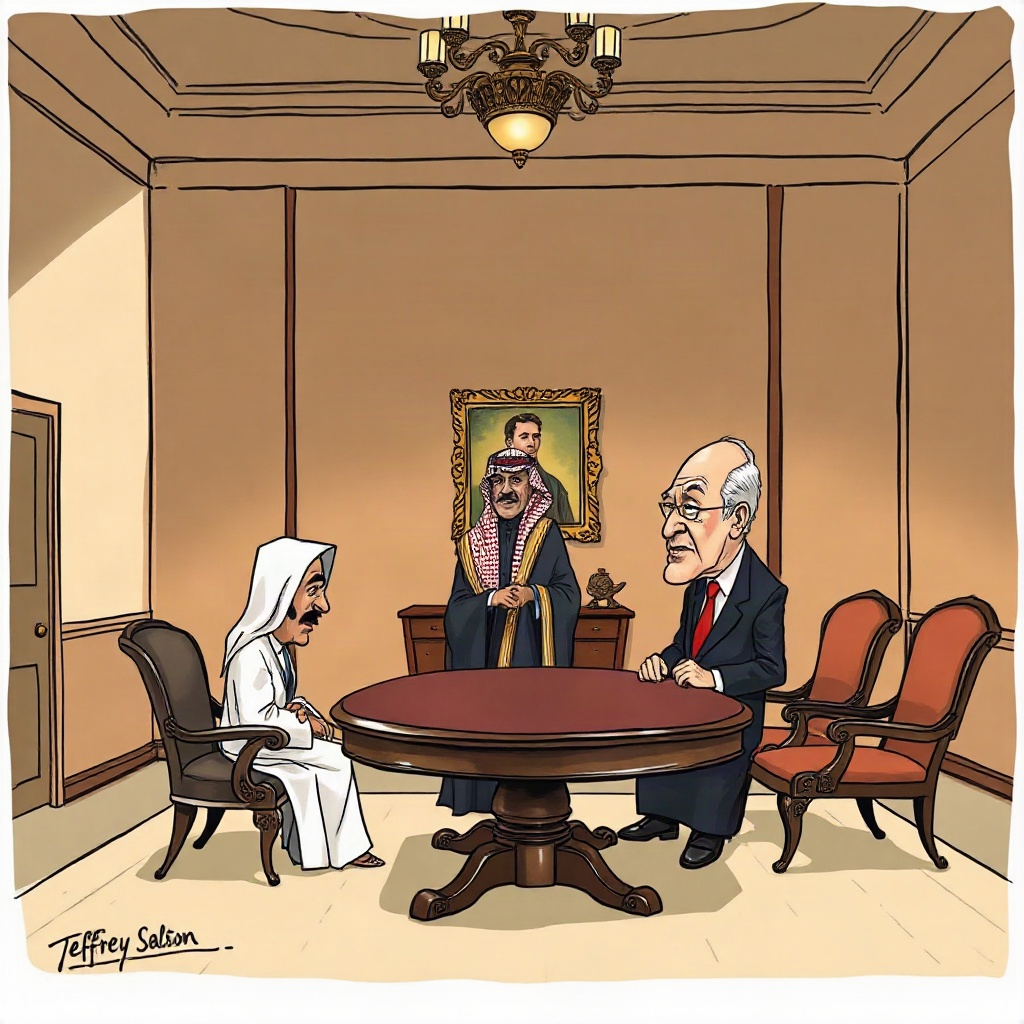
Turki al-Faisal · Former Saudi Intelligence Chief
In the extensive web of political dignitaries, intelligence veterans, and sovereign figures documented across the personal archives of Jeffrey Epstein, few names carry the institutional weight of Prince Turki bin Faisal Al Saud. As the longtime director general of Saudi Arabia's primary intelligence agency, Al Mukhabarat Al A'amah, from 1977 to 2001, and subsequently the kingdom's ambassador to both the United Kingdom and the United States, Prince Turki was for decades one of the most visible faces of Saudi diplomacy and statecraft in the West. His presence in Epstein's private contact registries and personal orbit illustrates the financier's sustained effort to cultivate figures situated at the crossroads of international intelligence, sovereign wealth, and foreign policy.
The documentary evidence linking Epstein to Prince Turki emerged primarily through Epstein's personal telephone directories, frequently referred to in investigative and legal proceedings as his little black book. Originally compiled by Epstein's staff during the late 1990s and early 2000s, and later entered into the public domain through investigative reporting and subsequent federal disclosures, the directory contained multiple direct contact coordinates for Prince Turki. These entries included residential, diplomatic, and office telephone numbers in London, Washington, and Riyadh. The inclusion of such numbers reflected Epstein's systematic practice of collecting high-level diplomatic contacts, though the presence of an individual in the address directory does not by itself establish a personal or transactional relationship.
Epstein's interest in figures like Prince Turki was consistent with his broader strategy of inserting himself into transnational power corridors. Throughout the 1990s and 2000s, Epstein presented himself to Wall Street and foreign governments alike as an informal interlocutor capable of bridging American financial capital with overseas interests. Operating from his Manhattan townhouse on East 71st Street and his estate in Palm Beach, Epstein frequently utilized dinner parties, salon gatherings, and international summits to intersect with high-ranking diplomats. Prince Turki, who regularly participated in international forums such as the World Economic Forum in Davos and meetings of the Council on Foreign Relations and the Trilateral Commission, moved within the exact intellectual and geopolitical circles that Epstein actively courted.
Related articles
Jeffrey Epstein and Thorbjørn Jagland
Investigative report examining the diplomatic meetings between Jeffrey Epstein and former Norwegian Prime Minister Thorbjørn Jagland in 2013.
Read article →
Jeffrey Epstein and Terje Rød-Larsen
Investigative review of Norwegian diplomat Terje Rød-Larsen's ties to Jeffrey Epstein, detailing secret loans, institutional funding, and his resignation.
Read article →
Jeffrey Epstein and Mona Juul
Investigative report examining Norwegian diplomat Mona Juul's documented social ties to Jeffrey Epstein through her husband, Terje Rød-Larsen.
Read article →

Jeffrey Epstein and Andrés Pastrana
Investigative examination of former Colombian President Andrés Pastrana's documented flights on Jeffrey Epstein's aircraft and related unsealed records.
Read article →