Key Facts
Contact entry in Epstein's 97-page personal directory ('Little Black Book')
Document Type
Gawker Media (2015)
London telephone contacts and studio representation references
Listed Information
Giuffre v. Maxwell, SDNY (2016)
Zero recorded flights aboard Epstein's private aircraft
Flight Log Status
US v. Maxwell Trial Exhibits (2021)
None; no civil or criminal accusations of misconduct or involvement
Legal Allegations
Federal Court Filings, SDNY
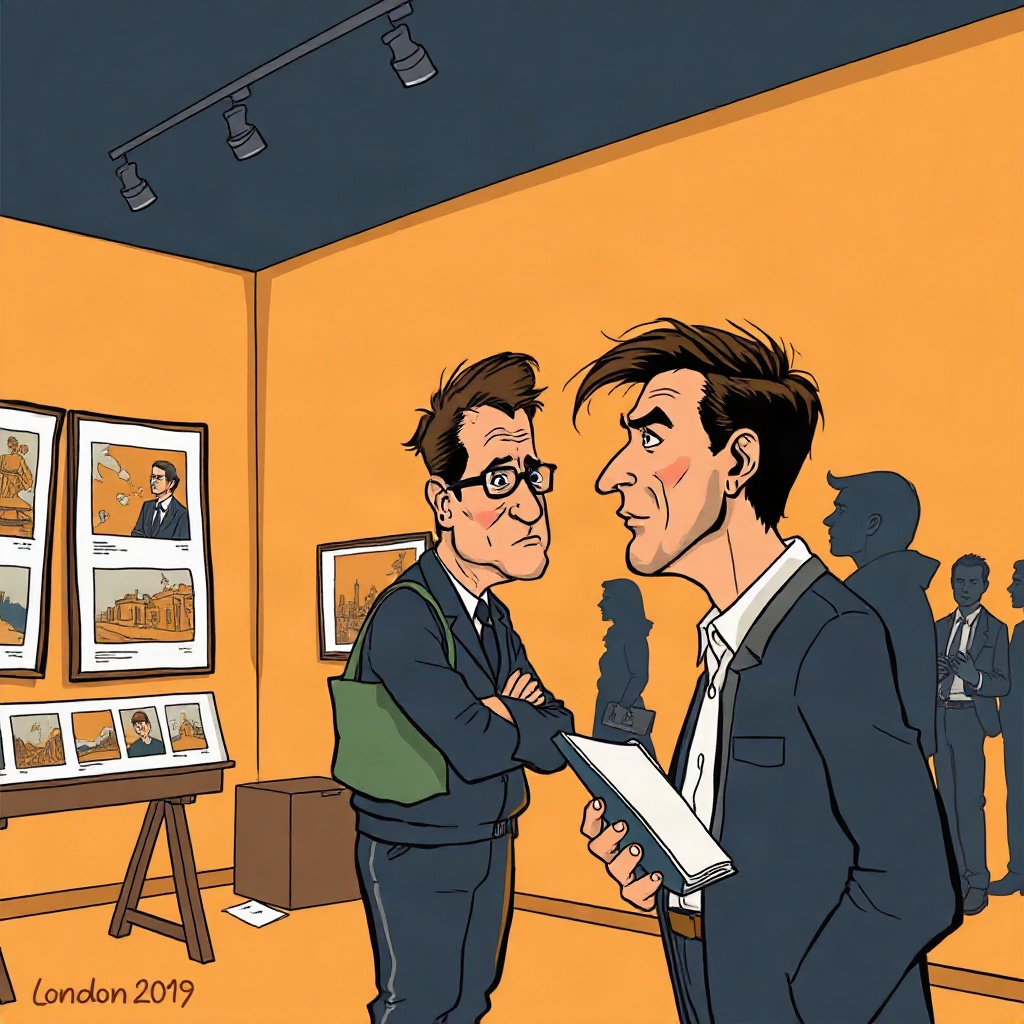
Tracey Emin · British contemporary artist
In the extensive archival records documenting the global social apparatus constructed by Jeffrey Epstein, few intersections reveal the breadth of his network quite like his overtures toward the international art market. Among the cultural luminaries whose contact details surfaced within Epstein’s personal directory is Dame Tracey Emin, one of the United Kingdom’s most prominent and provocative contemporary artists. As public interest and investigative scrutiny into Epstein’s sphere of influence intensified following his 2019 arrest and subsequent death, researchers and journalists systematically combed through thousands of pages of address books, flight manifests, and federal court filings to contextualize how figures of Emin’s stature came to be linked, however peripherally, to the convicted sex offender.
Tracey Emin rose to international prominence during the 1990s as a cornerstone figure of the Young British Artists movement, a loose collective championed by advertising mogul and art collector Charles Saatchi. Her confessional, raw, and deeply autobiographical works, notably the 1995 appliqué tent titled Everyone I Have Ever Slept With 1963–1995 and the 1998 Turner Prize-nominated installation My Bed, fundamentally reshaped contemporary British art discourse. Over the ensuing decades, Emin transitioned from an enfant terrible of the London arts scene to an established Royal Academician and cultural icon, represented by premier commercial galleries such as Jay Jopling's White Cube. Her ubiquity in elite British creative circles made her an emblematic figure in the very cultural milieu that Epstein and his longtime associate Ghislaine Maxwell sought systematically to infiltrate.
The documentary evidence establishing a connection between Epstein and Emin is rooted almost exclusively in Epstein's personal contact directory, commonly referred to as the Little Black Book. This 97-page binder, maintained by Epstein’s personal assistants during the late 1990s and early 2000s, was originally obtained by Gawker in 2015 and later entered into the judicial record through civil proceedings in the Southern District of New York, notably the defamation lawsuit Giuffre v. Maxwell. Within this ledger, Emin appears under standard contact headings, with entries noting private telephone numbers, studio contact points, and references connecting her to her primary representation at White Cube in London. The directory functioned essentially as an operational database for Epstein and Maxwell, containing over a thousand entries that ranged from close criminal confederates to casual acquaintances, politicians, royalty, and figures of cultural prestige.
Related articles
Jeffrey Epstein and Peggy Siegal
Investigative report on publicist Peggy Siegal and her documented role in Jeffrey Epstein's post-conviction social rehabilitation in Manhattan.
Read article →
Jeffrey Epstein and Steve Bing
Investigative review of Hollywood producer Steve Bing's documented appearances in Jeffrey Epstein's flight logs, contact books, and elite networks.
Read article →
Jeffrey Epstein and Jean-Luc Brunel
Investigative dossier detailing modeling agent Jean-Luc Brunel's financial ties to Jeffrey Epstein, sexual abuse allegations, and his 2022 death in custody.
Read article →
Jeffrey Epstein and Linda Fiorentino
An investigative examination of actress Linda Fiorentino's appearance in Jeffrey Epstein's contact records and their documented social intersections.
Read article →