Jeffrey Epstein &
Torsten Wiesel
Nobel Laureate, Former Rockefeller University President
Key Facts
1981 Nobel Prize in Physiology or Medicine (with David Hubel)
Nobel Laureate Status
Nobel Prize Committee
President from 1991 to 1998
Rockefeller University Role
The Rockefeller University
Contact entry in Epstein's seized personal address directory
Documentary Connection
Palm Beach Police Evidence Records
None documented or alleged in federal or civil filings
Allegations of Wrongdoing
SDNY Court Records
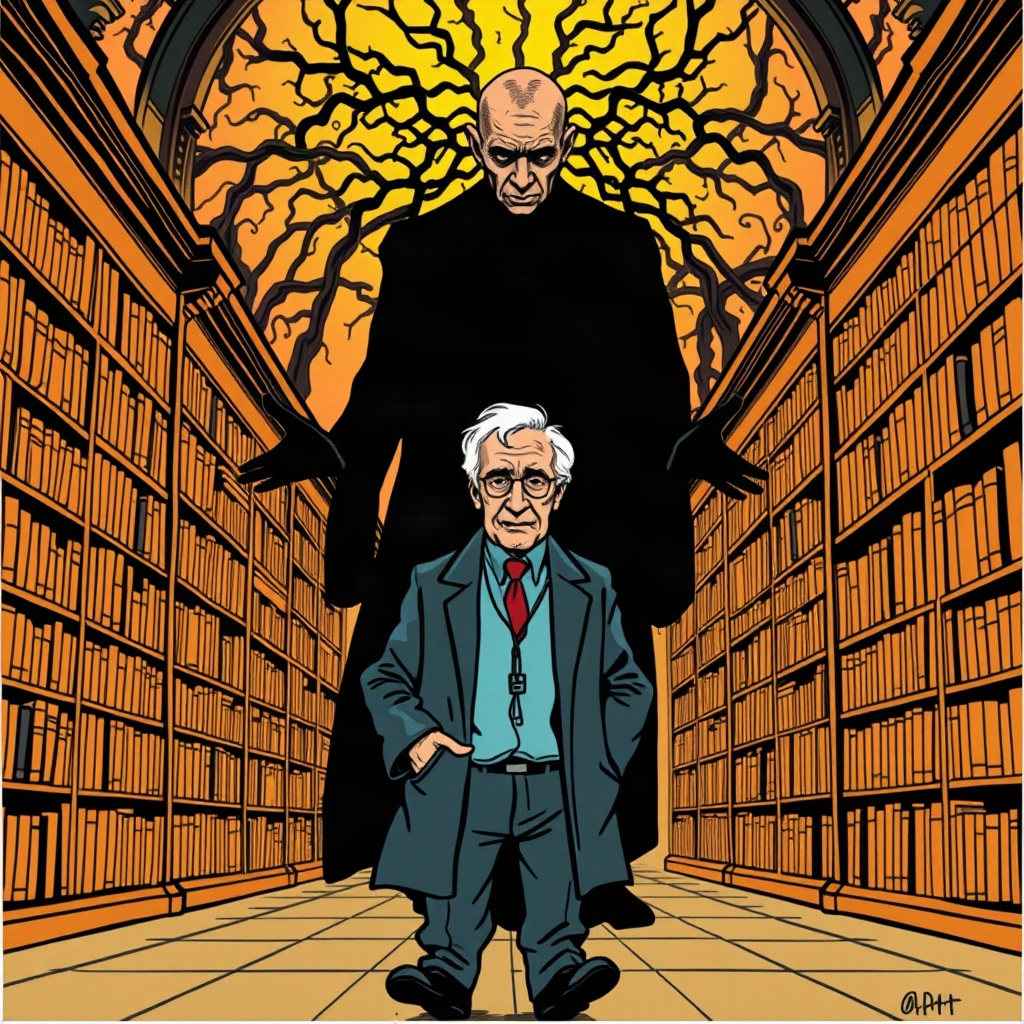
Torsten Wiesel · Nobel Laureate, Former Rockefeller University President
For decades, Jeffrey Epstein pursued an aggressive campaign to embed himself within the highest echelons of international science. Driven by a desire for intellectual prestige, social validation, and the aura of philanthropic legitimacy, the financier cultivated relationships with physicists, evolutionary biologists, and neuroscientists across elite institutions. Among the prominent figures whose details appeared in Epstein’s personal address directory was Torsten Wiesel, the Swedish-born neurophysiologist who shared the 1981 Nobel Prize in Physiology or Medicine and served as president of The Rockefeller University in New York throughout the 1990s. The presence of Wiesel’s name within Epstein’s orbit exemplifies how institutional philanthropy and elite scientific networks intersected with Epstein’s broader social apparatus.
Wiesel stands as one of the twentieth century’s most revered figures in neurobiology. Alongside his longtime collaborator David Hubel, Wiesel conducted foundational research during the 1960s and 1970s on information processing in the visual system, demonstrating how sensory deprivation during critical developmental windows could permanently alter neural wiring. In 1991, Wiesel assumed the presidency of The Rockefeller University, steering the biomedical research institution through an era of substantial expansion until stepping down in 1998. During and after his tenure, the university maintained an endowment and research profile heavily dependent on private philanthropy, positioning its leadership at the center of Manhattan’s elite philanthropic ecosystem.
Epstein’s concerted efforts to penetrate that ecosystem are well-documented. Beginning in the late 1990s, Epstein established relationships with several high-ranking scientists and administrators in New York and Boston, using the Jeffrey Epstein VI Foundation to distribute grants, finance laboratory endeavors, and sponsor specialized academic conferences. Records released following Epstein’s 2019 arrest revealed that The Rockefeller University was among several prominent academic institutions that received financial contributions from Epstein. In addition to philanthropic donations, Epstein was appointed to the Rockefeller University Council, an advisory and donor-cultivation body, providing him with a formal platform to interact directly with the university’s faculty and executive tier.
Related articles
Jeffrey Epstein and Ethan Zuckerman
Investigative report on Ethan Zuckerman's principled resignation from the MIT Media Lab following revelations of Jeffrey Epstein's covert funding.
Read article →

Jeffrey Epstein and Signe Swenson
Investigative profile of Signe Swenson, her documented interactions with Jeffrey Epstein in Palm Beach, and her role in public records and exposés.
Read article →
Jeffrey Epstein and Peter Cohen
Investigative report examining the documented links and address book ties between Jeffrey Epstein and former Shearson Lehman CEO Peter Cohen.
Read article →
Jeffrey Epstein and Nicholas Negroponte
Investigative review of MIT Media Lab co-founder Nicholas Negroponte's ties to Jeffrey Epstein and his defense of donations from the financier.
Read article →