Jeffrey Epstein &
Terry Richardson
Fashion and portrait photographer
Key Facts
Terry Richardson is listed in Jeffrey Epstein's personal contact directory ('Little Black Book').
Address Book Presence
Palm Beach Police Department (2006) / Gawker (2015)
Richardson does not appear on public flight manifests for Epstein's private aircraft.
Flight Log Status
SDNY Unsealed Flight Logs
Richardson was never criminally charged or named as a co-conspirator in federal Epstein prosecutions.
Legal Status
SDNY Indictment 19-CR-490
Condé Nast directed international titles to terminate work with Richardson in October 2017.
Industry Blacklist
Condé Nast Internal Memo (2017)
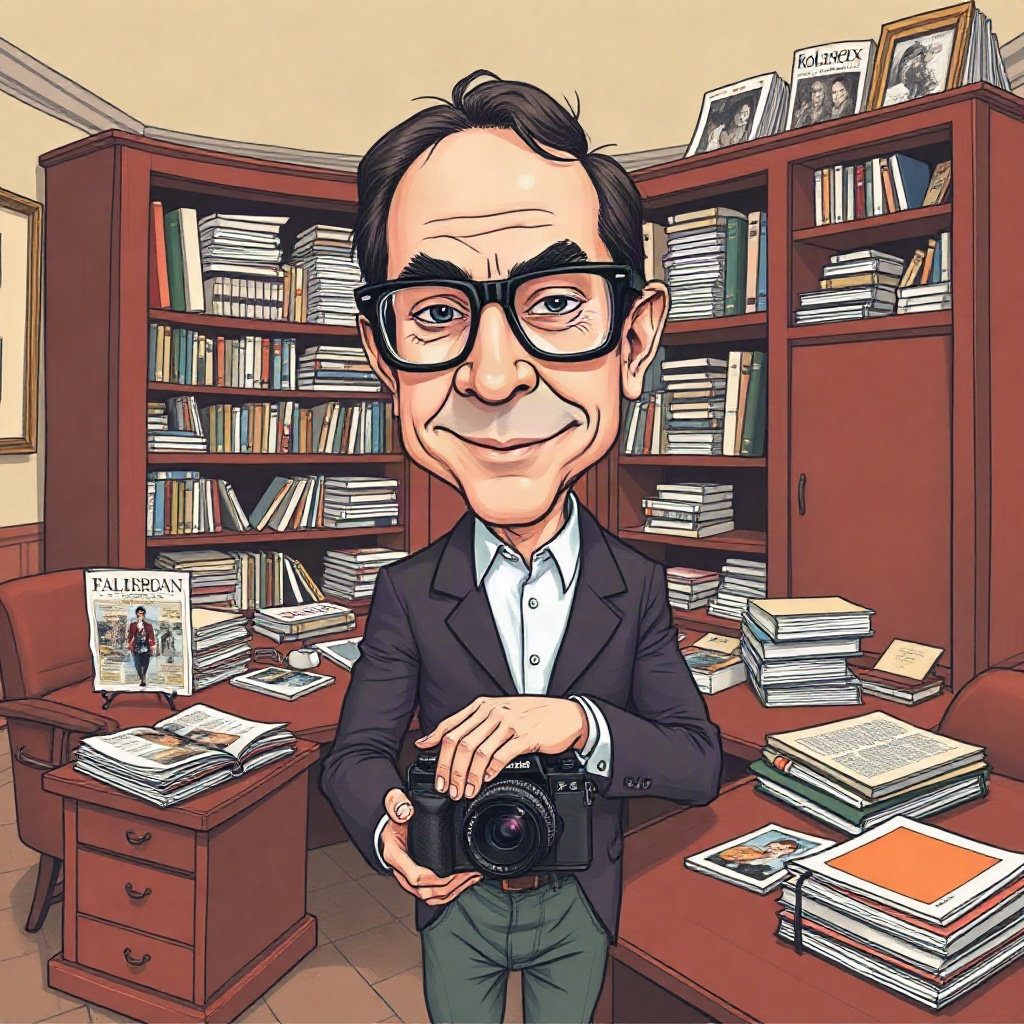
Terry Richardson · Fashion and portrait photographer
In the decades preceding their respective downfalls, financier Jeffrey Epstein and fashion photographer Terry Richardson occupied prominent, overlapping spheres within New York City's creative and financial elite. Both men built influential reputations that insulated them against persistent rumors of predatory behavior toward young women, and both were ultimately cast out following widespread institutional reckonings. While Epstein's operations centered on a global sex trafficking syndicate masked by philanthropy and high finance, Richardson operated directly within the machinery of high-end commercial fashion. The convergence between Epstein's apparatus and Richardson's career highlights the vulnerabilities of the commercial modeling industry during the 1990s and 2000s, where gatekeeping, wealth, and systemic indifference allowed abusive practices to thrive unchecked for years.
Terry Richardson achieved global fame during the late 1990s and early 2000s as one of the fashion industry's most sought-after photographers. Known for his stark, snapshot aesthetic, harsh direct flash, and sexually provocative themes, Richardson shot major editorial spreads for Vogue, Harper's Bazaar, and Vanity Fair, along with campaigns for brands such as Gucci, Supreme, and Sisley. However, beneath his professional success lay persistent accounts from models detailing coercive, sexually explicit demands during photo shoots. Richardson consistently denied wrongdoing, describing his creative process as consensual, collaborative performance art. Nevertheless, by October 2017, amid the momentum of the global MeToo movement, major media conglomerates including Condé Nast formally blacklisted him, terminating all commercial relationships and effectively ending his mainstream fashion career.
Epstein's connection to Richardson first surfaced publicly through evidentiary documents compiled by law enforcement and civil litigants. Most prominent among these records is Epstein's personal directory, commonly referred to as the Little Black Book. This contact directory, originally secured by an employee at Epstein's Palm Beach estate and later obtained during a 2006 Palm Beach Police Department investigation before being published in redacted form by investigative journalists in 2015, contained entries for hundreds of prominent figures across finance, politics, and entertainment. Terry Richardson's contact details, including phone numbers and studio affiliations, were logged within this directory alongside numerous other prominent fashion executives, scouts, and photographers.
Related articles
Jeffrey Epstein and Peggy Siegal
Investigative report on publicist Peggy Siegal and her documented role in Jeffrey Epstein's post-conviction social rehabilitation in Manhattan.
Read article →
Jeffrey Epstein and Steve Bing
Investigative review of Hollywood producer Steve Bing's documented appearances in Jeffrey Epstein's flight logs, contact books, and elite networks.
Read article →
Jeffrey Epstein and Jean-Luc Brunel
Investigative dossier detailing modeling agent Jean-Luc Brunel's financial ties to Jeffrey Epstein, sexual abuse allegations, and his 2022 death in custody.
Read article →
Jeffrey Epstein and Linda Fiorentino
An investigative examination of actress Linda Fiorentino's appearance in Jeffrey Epstein's contact records and their documented social intersections.
Read article →