Jeffrey Epstein &
Sultan Qaboos bin Said
Sultan of Oman
Key Facts
Omani diplomatic channels and palace contacts recorded in Epstein's personal directory
Documentary Presence
Epstein 'Little Black Book' Contact Directory
Aspirational diplomatic and sovereign rolodex listing; no confirmed personal meetings or business deals
Nature of Ties
U.S. Virgin Islands v. JPMorgan Chase Discovery
British diplomatic and royal figures who held direct relationships with both Sultan Qaboos and Epstein
Intermediary Network
UK Trade Envoy Public Disclosures
None; no civil or criminal court filings allege misconduct or abuse involving Sultan Qaboos
Allegations of Complicity
SDNY Criminal Proceedings (2019–2020)
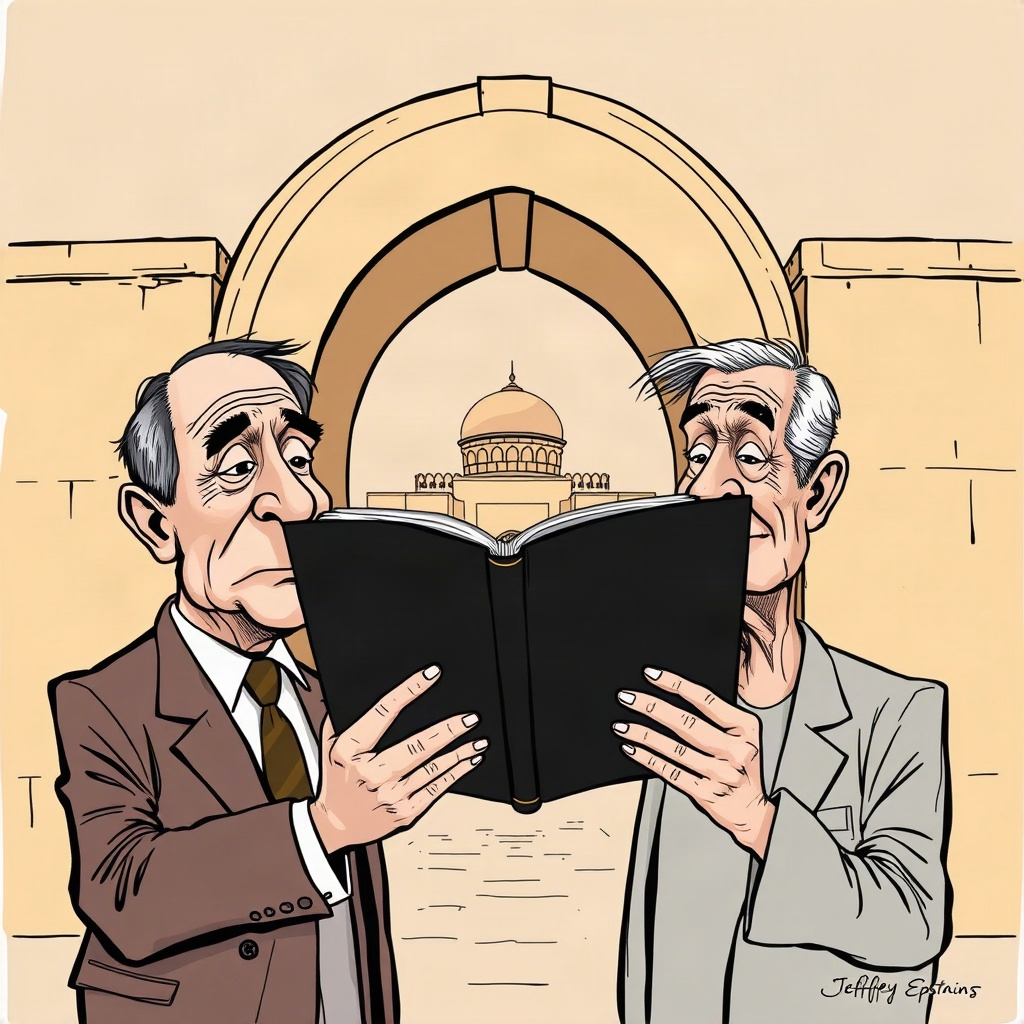
Sultan Qaboos bin Said · Sultan of Oman
For decades, Jeffrey Epstein cultivated an aura of untouchable prestige by weaving himself into the orbits of global monarchs, financiers, and heads of state. Among the prominent sovereign figures whose names appear in the documentary trail left by the convicted financier is Sultan Qaboos bin Said al Said, the long-ruling absolute monarch of the Sultanate of Oman. Qaboos, who governed Oman from 1970 until his death in January 2020, was widely viewed as a pivotal diplomatic intermediary in the Middle East, maintaining delicate neutrality while fostering intimate ties with Western political and royal elites. The presence of Omani state contacts and references to the Sultanate within Epstein’s records provides a window into the American financier’s concerted efforts to penetrate sovereign wealth networks and leverage international royalty for social and financial capital.
Sultan Qaboos rose to power in a British-backed palace coup in 1970, unseating his father to modernize an isolated nation on the southeastern tip of the Arabian Peninsula. Educated at the Royal Military Academy Sandhurst, Qaboos retained deep lifelong relationships with the British establishment, particularly the House of Windsor. Throughout his half-century reign, Qaboos balanced alliances with Washington, London, and Tehran, positioning Oman as an indispensable back-channel mediator in global diplomacy. Yet this same elevated diplomatic sphere overlapped heavily with the transnational high-society networks that Epstein systematically targeted throughout the 1990s and 2000s.
The documentary foundation linking Epstein to the Omani royal apparatus primarily stems from Epstein’s seized personal address books, commonly referred to as the Little Black Book, alongside records generated during subsequent civil litigations and federal disclosures. Within Epstein’s compiled contact directories—first assembled by his staff in the late 1990s and updated through the mid-2000s—investigators identified multiple listings related to Oman, including diplomatic representations, private palace numbers, and high-ranking intermediaries connected directly to Sultan Qaboos's court. These entries typically cataloged official residence phone numbers, office lines in Muscat, and diplomatic emissary contacts stationed abroad.
Related articles
Jeffrey Epstein and Prince Andrew, Duke of York
An investigative record of Prince Andrew's ties to Jeffrey Epstein, examining flight logs, Virginia Giuffre's allegations, and the royal fallout.
Read article →
Jeffrey Epstein and Sarah Ferguson, Duchess of York
Investigative overview of Sarah Ferguson's ties to Jeffrey Epstein, detailing financial transactions, public admissions, and unsealed records.
Read article →
Jeffrey Epstein and Princess Beatrice of York
Investigative report examining Princess Beatrice of York's documented connections to Jeffrey Epstein through Prince Andrew's social and royal circle.
Read article →
Jeffrey Epstein and Princess Eugenie of York
An investigative review of public records, court filings, and royal finances detailing Princess Eugenie's proximity to Jeffrey Epstein's network.
Read article →