Key Facts
No verified meetings, correspondence, or flight logs exist linking Kiriyenko directly to Epstein
Direct Contact in Public Records
SDNY Court Dockets & FOIA Releases
Ambassador Vitaly Churkin (multiple meetings documented in 2014–2015)
Epstein's Verified Russian Diplomatic Contact
Wall Street Journal (2023)
Prime Minister (1998), Rosatom CEO (2005–2016), First Deputy Chief of Staff (2016–present)
Kiriyenko Key Positions
Official Russian State Records
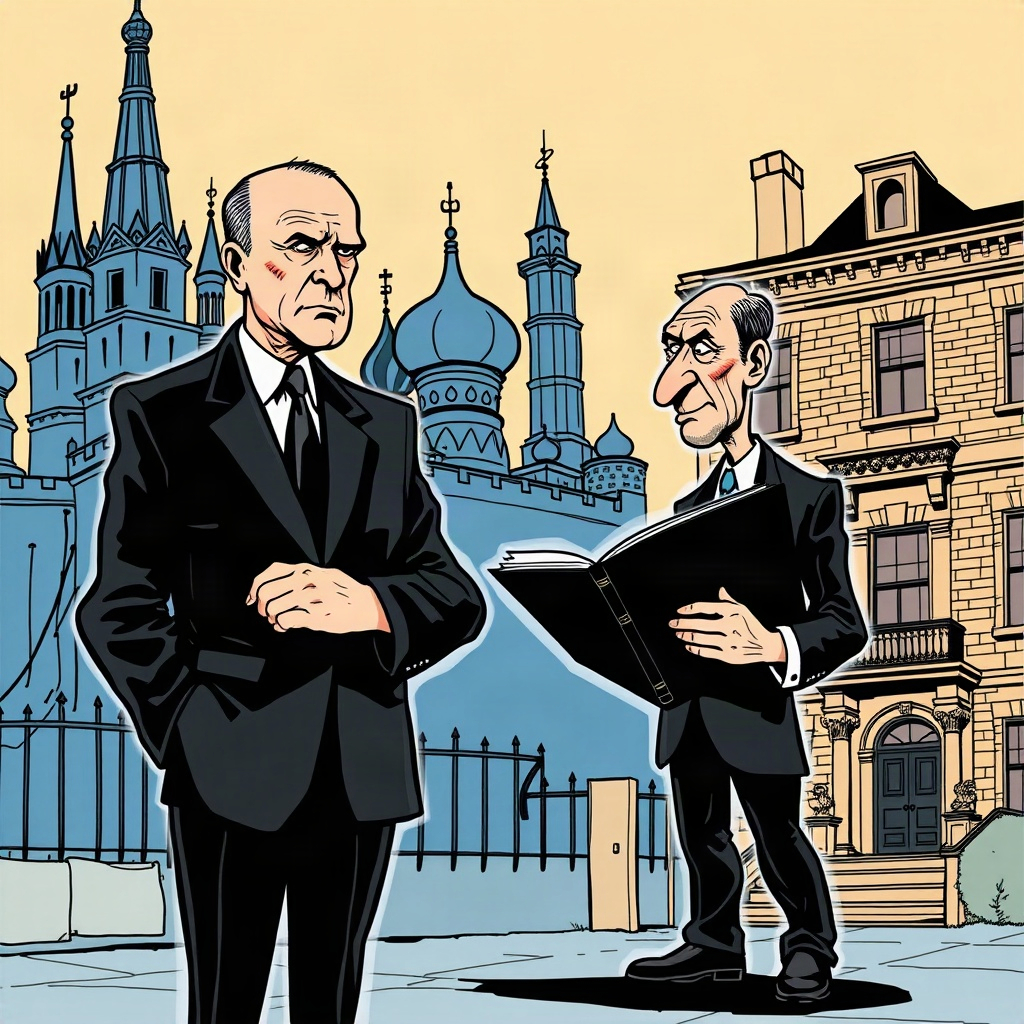
Sergei Kiriyenko · Former Prime Minister of Russia
In the extensive post-mortem of Jeffrey Epstein’s global influence operations, investigative journalists and legal researchers have systematically dissected the financier’s rolodex to understand how a convicted sex offender maintained access to elite geopolitical circles. While Epstein’s domestic connections across American politics, finance, and academia have been comprehensively documented through tens of thousands of court filings, flight logs, and personal schedules, his connections to foreign state actors present a more opaque puzzle. Among the names that have surfaced in broader inquiries into Epstein’s international contacts is Sergei Kiriyenko, a veteran Russian political operative and high-ranking Kremlin official. Examining the public record regarding Kiriyenko requires untangling documented archival evidence from speculative claims, diplomatic backchannels, and the broader pattern of Epstein’s efforts to cultivate high-level foreign dignitaries.
Sergei Vladilenovich Kiriyenko is one of modern Russia’s most durable political figures. Rising to national prominence during the presidency of Boris Yeltsin, Kiriyenko served briefly as Prime Minister of the Russian Federation in 1998, overseeing the country during the turbulent default and ruble devaluation crisis that destabilized its post-Soviet transition. Following his prime ministerial tenure, Kiriyenko transitioned into key administrative and technocratic roles under Vladimir Putin. From 2005 to 2016, he led the State Atomic Energy Corporation, Rosatom, spearheading Russia’s nuclear energy diplomacy, state asset consolidation, and international commercial reactor sales. In October 2016, Putin appointed Kiriyenko as the First Deputy Chief of Staff of the Presidential Administration, placing him in control of domestic politics, state communications, and later, the administrative oversight of occupied Ukrainian territories following the 2022 invasion.
Interest in Kiriyenko within the context of the Epstein archives stems from Epstein’s documented fascination with foreign policy, nuclear technology, and Russian political power. Beginning around 2010, following his release from a Florida county jail on state prostitution charges, Epstein embarked on a deliberate campaign to rehabilitate his image as an international geopolitical broker. Thousands of pages of personal calendars, schedules, and emails published in 2023 by major investigative outlets, alongside court disclosures from the U.S. Virgin Islands’ civil litigation against JPMorgan Chase, demonstrated that Epstein routinely met with ambassadors, former prime ministers, and international envoys in New York, Paris, and Palm Beach.
Related articles
Jeffrey Epstein and Thorbjørn Jagland
Investigative report examining the diplomatic meetings between Jeffrey Epstein and former Norwegian Prime Minister Thorbjørn Jagland in 2013.
Read article →
Jeffrey Epstein and Terje Rød-Larsen
Investigative review of Norwegian diplomat Terje Rød-Larsen's ties to Jeffrey Epstein, detailing secret loans, institutional funding, and his resignation.
Read article →
Jeffrey Epstein and Mona Juul
Investigative report examining Norwegian diplomat Mona Juul's documented social ties to Jeffrey Epstein through her husband, Terje Rød-Larsen.
Read article →

Jeffrey Epstein and Andrés Pastrana
Investigative examination of former Colombian President Andrés Pastrana's documented flights on Jeffrey Epstein's aircraft and related unsealed records.
Read article →