Jeffrey Epstein &
Robert Trivers
Evolutionary Biologist, Rutgers University
Key Facts
Approximately $40,000 for research on self-deception
Funding Received
The Guardian (2015)
Evolutionary biology and human behavioral theory
Field of Collaboration
The New York Times (2019)
Jeffrey Epstein VI Foundation
Primary Funding Vehicle
IRS Form 990-PF Filings
Scientific patronage, academic salons, and research grants
Nature of Connection
Rutgers University Review (2019)
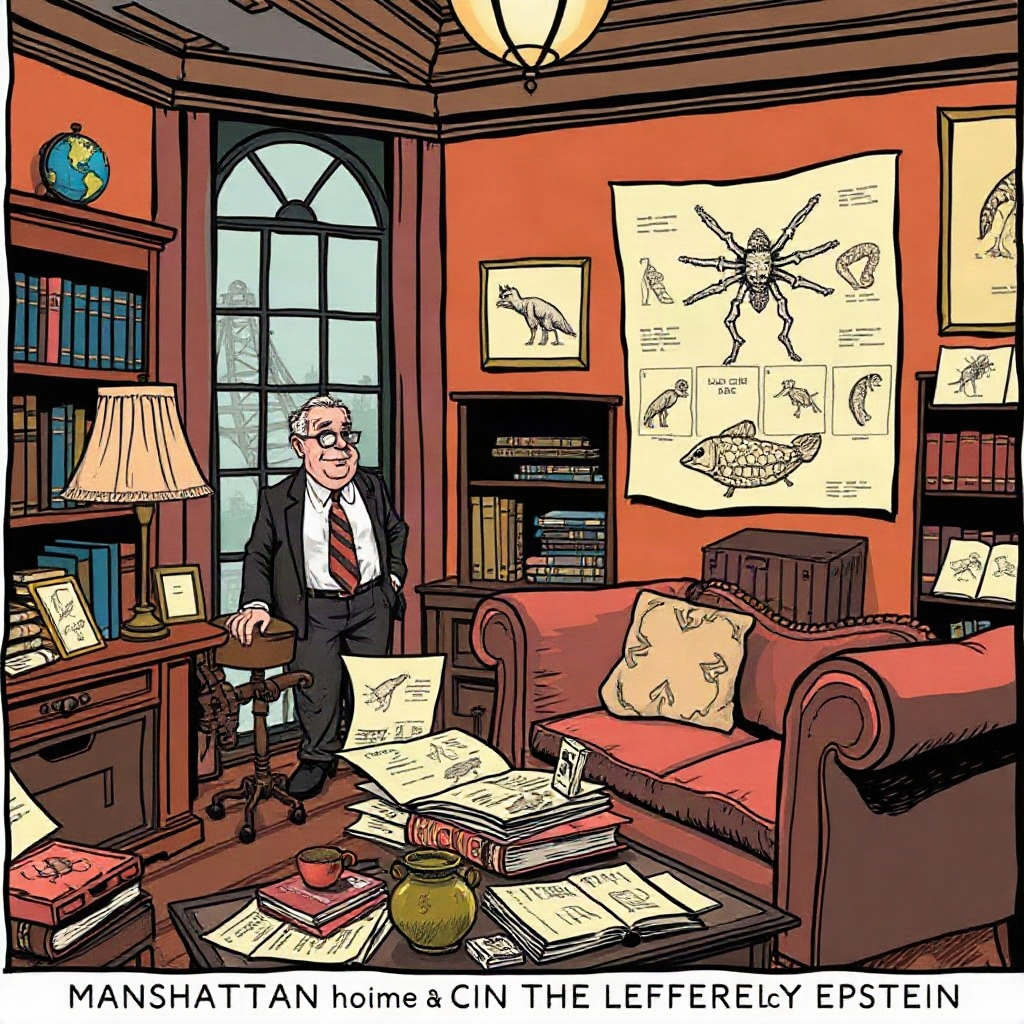
Robert Trivers · Evolutionary Biologist, Rutgers University
During the late 1990s and throughout the 2000s, Jeffrey Epstein methodically cultivated an extensive network of world-renowned academics, focusing heavily on theoretical physics, cognitive science, and evolutionary biology. Epstein utilized his wealth to transform himself from a disgraced financier into an influential patron of high-level intellectual inquiry. Among the prominent figures drawn into this web was Robert Trivers, an acclaimed and unconventional evolutionary biologist whose foundational theories on reciprocal altruism, parental investment, and deceit had fundamentally altered the landscape of modern sociobiology. Trivers's interactions with Epstein illuminate the mechanisms through which Epstein leveraged financial largesse to gain access to elite academic circles, while exposing how scientific institutions and individual researchers rationalized their ties to an individual whose criminal behavior was increasingly coming to light.
Robert Trivers rose to academic prominence in the 1970s while at Harvard University, publishing a series of groundbreaking papers that provided mathematical and evolutionary frameworks for social behavior. His work earned him global acclaim, culminating in prestigious honors including the Royal Swedish Academy of Sciences' Crafoord Prize in Biosciences in 2007. Known for his iconoclastic temperament and outspoken demeanor, Trivers spent substantial portions of his later career as a professor at Rutgers University. It was during his active research into evolutionary self-deception—the concept that organisms deceive themselves to better deceive others—that Epstein initiated contact. Epstein had developed a specific fascination with evolutionary biology, human genetics, and sociobiology, frequently inviting leading researchers to private seminars, dinners, and intellectual salons at his Herbert N. Stevens mansion in Manhattan.
Related articles
Jeffrey Epstein and Ethan Zuckerman
Investigative report on Ethan Zuckerman's principled resignation from the MIT Media Lab following revelations of Jeffrey Epstein's covert funding.
Read article →

Jeffrey Epstein and Signe Swenson
Investigative profile of Signe Swenson, her documented interactions with Jeffrey Epstein in Palm Beach, and her role in public records and exposés.
Read article →

Jeffrey Epstein and Peter Cohen
Investigative report examining the documented links and address book ties between Jeffrey Epstein and former Shearson Lehman CEO Peter Cohen.
Read article →

Jeffrey Epstein and Nicholas Negroponte
Investigative review of MIT Media Lab co-founder Nicholas Negroponte's ties to Jeffrey Epstein and his defense of donations from the financier.
Read article →