Jeffrey Epstein &
Richard Burt
Former US Ambassador to Germany
Key Facts
U.S. Ambassador to West Germany (1985–1989) and chief START I negotiator
Diplomatic Office
U.S. Department of State Historical Records
Listed in Epstein's personal address book seized by law enforcement
Documented Connection
Palm Beach Police Department File (2006)
None documented in criminal indictments or civil litigation
Allegations of Misconduct
SDNY Court Filings
Chairman of corporate intelligence and advisory firm Diligence LLC
Corporate Role
Corporate Filings and Public Disclosures
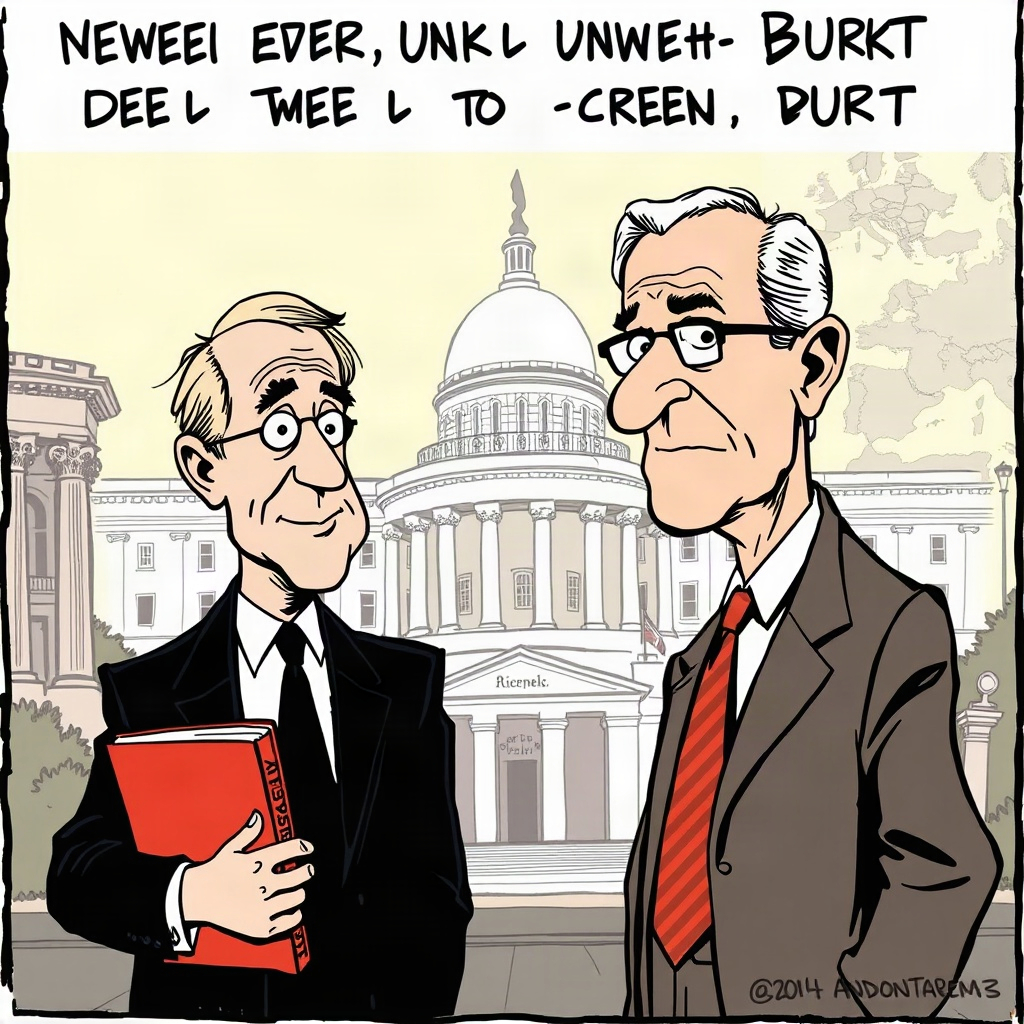
Richard Burt · Former US Ambassador to Germany
For decades, Jeffrey Epstein cultivated an expansive Rolodex that bridged Wall Street, academia, European royalty, and the upper echelons of American foreign policy. Among the prominent diplomatic figures whose contact details surfaced within Epstein’s personal archives is Richard Burt, a former United States Ambassador to the Federal Republic of Germany and a chief negotiator in the Strategic Arms Reduction Talks under President George H.W. Bush. Burt’s presence in Epstein’s records illustrates how the financier systematically mapped the transatlantic establishment, embedding his social sphere within the institutions of national security and international statecraft.
Richard Burt built a career defined by the intersection of diplomacy, media, and private intelligence. After working as a national security correspondent for The New York Times, Burt joined the Reagan administration, serving as Assistant Secretary of State for European and Canadian Affairs before his ambassadorship in Bonn from 1985 to 1989. Following the Cold War, Burt transitioned into the private sector, becoming a partner at international consulting firms, advising defense and energy interests, and chairing Diligence LLC, a corporate intelligence and commercial investigations firm. In later years, Burt maintained significant roles across major foreign policy think tanks, including the Atlantic Council and the Center for the National Interest.
Public documentation establishing Burt’s link to Epstein first emerged through the publication of Epstein’s personal address book, commonly referred to as the Little Black Book. This directory, compiled by Epstein’s household staff and later seized by the Palm Beach Police Department during their 2005 to 2006 investigation, contained private phone numbers and contact details for Burt. The directory served as an operational phonebook for Epstein and Ghislaine Maxwell, logging thousands of business titans, political figures, and socialites. Burt’s contact entry reflected Epstein’s deliberate cultivation of diplomats and geopolitical strategists who could offer prestige, advice, or introductions across global capitals.
Related articles

Jeffrey Epstein and Thorbjørn Jagland
Investigative report examining the diplomatic meetings between Jeffrey Epstein and former Norwegian Prime Minister Thorbjørn Jagland in 2013.
Read article →
Jeffrey Epstein and Terje Rød-Larsen
Investigative review of Norwegian diplomat Terje Rød-Larsen's ties to Jeffrey Epstein, detailing secret loans, institutional funding, and his resignation.
Read article →

Jeffrey Epstein and Mona Juul
Investigative report examining Norwegian diplomat Mona Juul's documented social ties to Jeffrey Epstein through her husband, Terje Rød-Larsen.
Read article →

Jeffrey Epstein and Andrés Pastrana
Investigative examination of former Colombian President Andrés Pastrana's documented flights on Jeffrey Epstein's aircraft and related unsealed records.
Read article →