Jeffrey Epstein &
Michael Ovitz
Co-founder, CAA; Former Disney President
Key Facts
Listed in Epstein's private black book with office, assistant, and residential telephone coordinates.
Documented Contact Record
Epstein Address Directory (2009)
No documented appearances on flight logs for Epstein's private aircraft.
Flight Manifest Status
David Rodgers Flight Logs (2021)
Never charged, sued, or accused of wrongdoing in connection with Epstein's criminal operations.
Legal and Criminal Status
S.D.N.Y. Court Filings
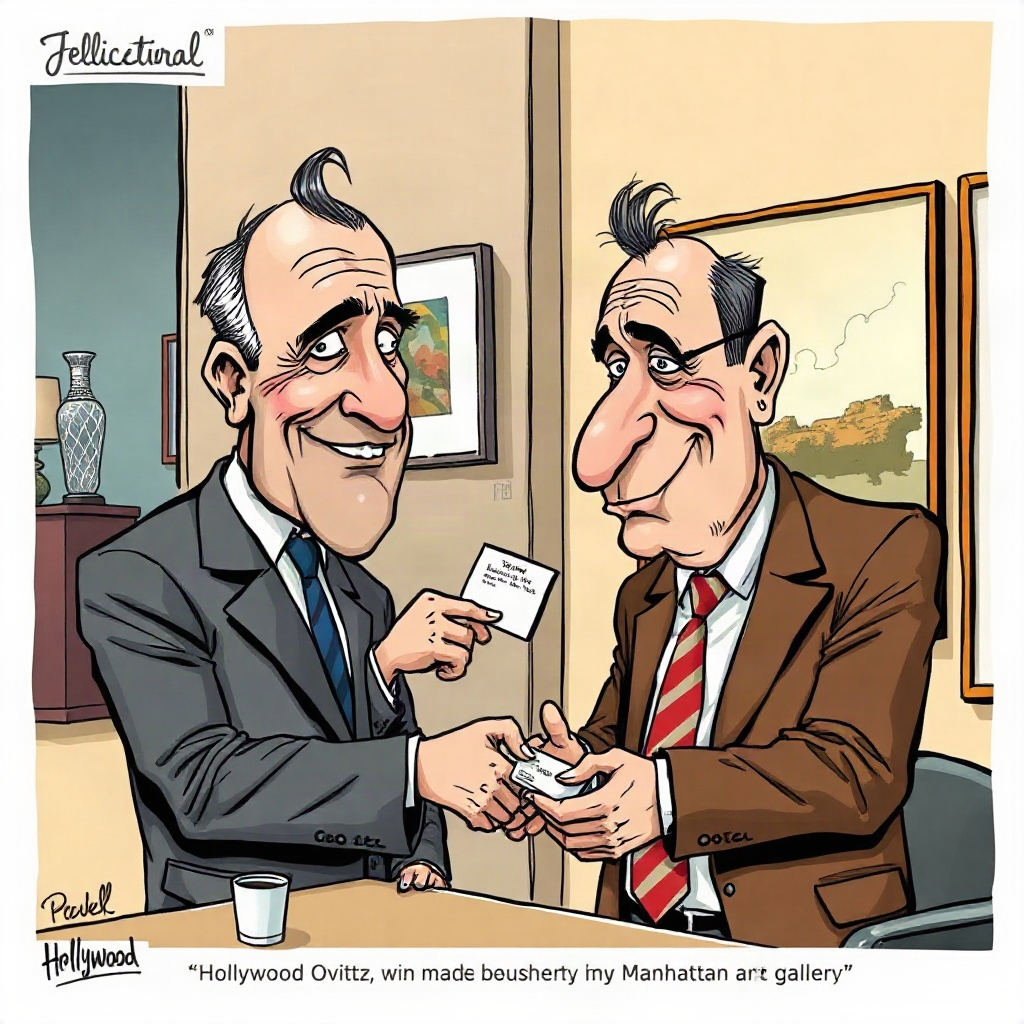
Michael Ovitz · Co-founder, CAA; Former Disney President
During the final decades of the twentieth century, Michael Ovitz reigned as one of the most formidable figures in the American entertainment industry. As the co-founder and driving force behind Creative Artists Agency, Ovitz redefined the mechanics of talent representation, packaging screenplays, directors, and top-tier actors into comprehensive studio deals that reshaped Hollywood. His subsequent, albeit turbulent, tenure as president of The Walt Disney Company in the mid-1990s cemented his position within the absolute upper echelon of global media and high-stakes corporate power. Decades later, as federal investigations and civil litigations dismantled the predatory network constructed by registered sex offender Jeffrey Epstein, investigators and journalists methodically analyzed the financier's records to identify the figures who inhabited his orbit. Among the thousands of entries recorded in Epstein’s private address archives was Michael Ovitz.
The earliest and most tangible piece of documentary evidence linking Ovitz to Epstein exists within Epstein’s personal address directory, colloquially termed the black book. This document, compiled over years by Epstein’s domestic staff and entered into public scrutiny following its attempted sale and subsequent recovery by federal authorities in 2009, functioned as an exhaustive master index of global wealth, aristocracy, and cultural influence. Within its bound pages, Ovitz was cataloged alongside numerous private contact coordinates, including office telephone numbers, assistant lines, and residential details corresponding to his properties in Southern California. The presence of such detailed contact information indicates that at some juncture during the late 1990s or early 2000s, Epstein or his immediate intermediaries established an active line of communication with Ovitz’s office.
Understanding why Ovitz appeared in Epstein’s records requires examining the deliberate social architecture Epstein constructed during his peak years of social ascendancy. Operating from his Manhattan townhouse on East 71st Street, Epstein actively pursued relationships with major figures in corporate management, venture capital, and contemporary art. Ovitz was not merely a talent agent; he was an internationally recognized contemporary art collector and an investor who sat at the nexus of finance, technology, and culture. Journalists investigating Epstein’s operating methods, including Vicky Ward in her seminal 2003 Vanity Fair profile and subsequent reporting by The New York Times, documented Epstein’s pattern of aggressively cold-calling and cultivating billionaires, studio heads, and cultural patrons. By positioning himself as an exclusive wealth manager for the ultra-wealthy, Epstein weaponized the names of prominent figures to create an illusion of universal insider access.
Related articles
Jeffrey Epstein and Peggy Siegal
Investigative report on publicist Peggy Siegal and her documented role in Jeffrey Epstein's post-conviction social rehabilitation in Manhattan.
Read article →
Jeffrey Epstein and Steve Bing
Investigative review of Hollywood producer Steve Bing's documented appearances in Jeffrey Epstein's flight logs, contact books, and elite networks.
Read article →
Jeffrey Epstein and Jean-Luc Brunel
Investigative dossier detailing modeling agent Jean-Luc Brunel's financial ties to Jeffrey Epstein, sexual abuse allegations, and his 2022 death in custody.
Read article →

Jeffrey Epstein and Linda Fiorentino
An investigative examination of actress Linda Fiorentino's appearance in Jeffrey Epstein's contact records and their documented social intersections.
Read article →