Key Facts
Professor of Physics at MIT; co-founder of Future of Life Institute
Academic Affiliation
MIT Faculty Directory
Listed in Jeffrey Epstein's personal address book directory
Documented Contact
Publicly Released Address Book Records (2019)
None found; no donations received from Epstein foundations
Direct Financial Ties
Goodwin Procter Report (2020)
Excluded from wrongdoing or facilitation findings in MIT's independent review
Institutional Findings
Goodwin Procter Report (2020)
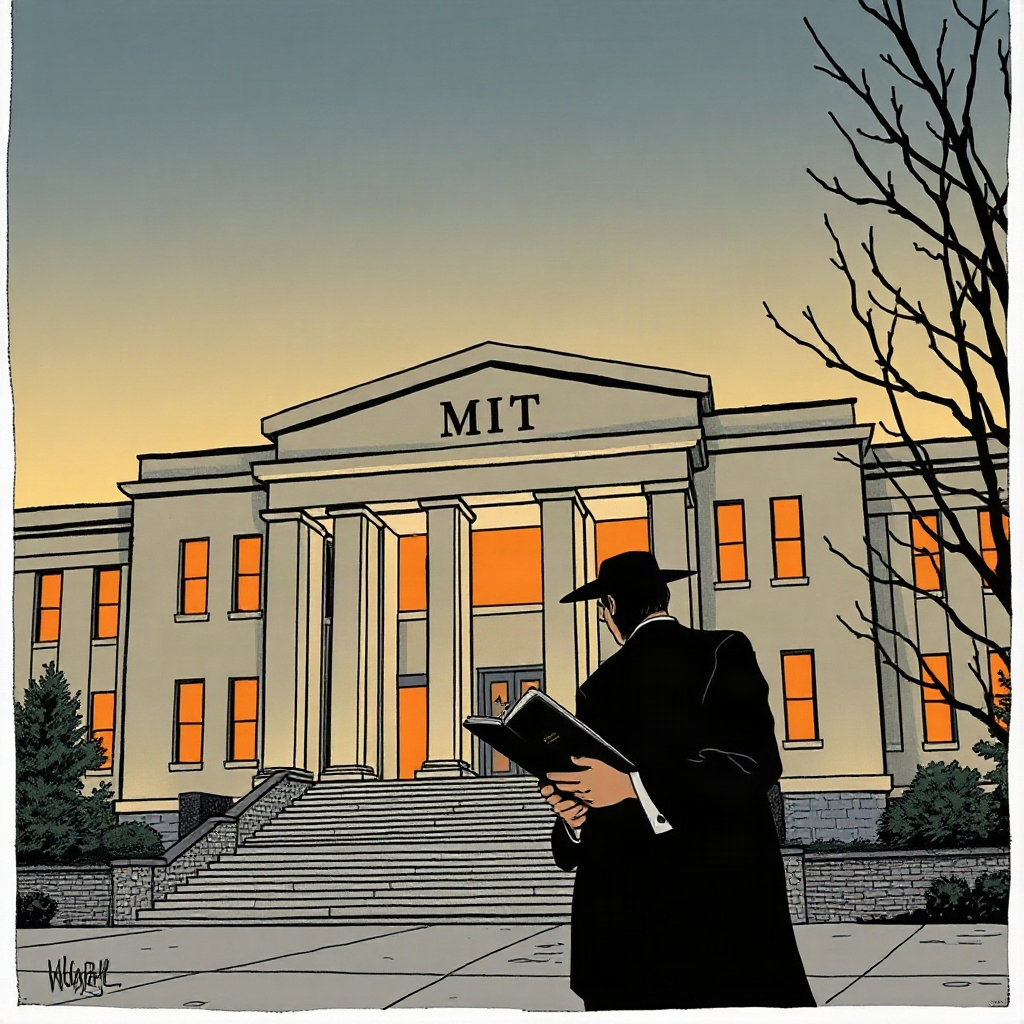
Max Tegmark · Professor of Physics, MIT
For decades, convicted sex offender Jeffrey Epstein cultivated an elaborate web of connections with prominent figures in theoretical physics, mathematics, and artificial intelligence. Operating under the guise of an eccentric science philanthropist, Epstein sought intellectual legitimacy and social rehabilitation through elite academic institutions, with the Massachusetts Institute of Technology serving as one of his primary targets. Among the numerous luminaries in MIT's orbit whose names surfaced in records chronicling Epstein's network is Max Tegmark, a world-renowned cosmologist, professor of physics, and co-founder of the Future of Life Institute. While Tegmark never faced accusations of legal wrongdoing, the presence of his name in Epstein's personal directory and his placement within Epstein's broader academic sphere reflect the financier's aggressive efforts to insert himself into cutting-edge scientific discourse.
Max Tegmark joined the faculty of MIT in 2004, establishing himself as a leading public intellectual in cosmology and later in machine learning and existential risk. During the same period, Epstein was actively constructing an intellectual salon of Nobel laureates, theoretical physicists, and computational theorists. Epstein's interest in physics was well known among academics in Cambridge and New York; he hosted private dinners, funded academic gatherings through his various charitable conduits, and frequently boasted of his personal discussions with leading scientists. Following Epstein's 2008 conviction in Florida for procuring a child for prostitution, his efforts to maintain ties to mainstream academia became even more reliant on targeted personal outreach, institutional donations, and private intellectual gatherings coordinated by literary agents and university administrators.
Public interest in Tegmark's peripheral connection to Epstein intensified following Epstein's July 2019 arrest by federal prosecutors in the Southern District of New York. In the subsequent release of documents, media investigations, and public records, researchers combed through Epstein's personal contact lists, flight logs, and institutional records. Tegmark's contact details, including institutional addresses and phone numbers, appeared in Epstein's personal address book—frequently referred to in news reports and court proceedings as Epstein's "Black Book." This directory functioned as an exhaustive Rolodex of academics, politicians, financiers, and celebrities that Epstein and his staff compiled over several decades. While the presence of an individual in the address book does not establish a personal friendship, financial transaction, or awareness of Epstein's crimes, it documents Epstein's active tracking of Tegmark's academic career and standing within the MIT physics department.
Related articles
Jeffrey Epstein and Ethan Zuckerman
Investigative report on Ethan Zuckerman's principled resignation from the MIT Media Lab following revelations of Jeffrey Epstein's covert funding.
Read article →

Jeffrey Epstein and Signe Swenson
Investigative profile of Signe Swenson, her documented interactions with Jeffrey Epstein in Palm Beach, and her role in public records and exposés.
Read article →
Jeffrey Epstein and Peter Cohen
Investigative report examining the documented links and address book ties between Jeffrey Epstein and former Shearson Lehman CEO Peter Cohen.
Read article →
Jeffrey Epstein and Nicholas Negroponte
Investigative review of MIT Media Lab co-founder Nicholas Negroponte's ties to Jeffrey Epstein and his defense of donations from the financier.
Read article →